
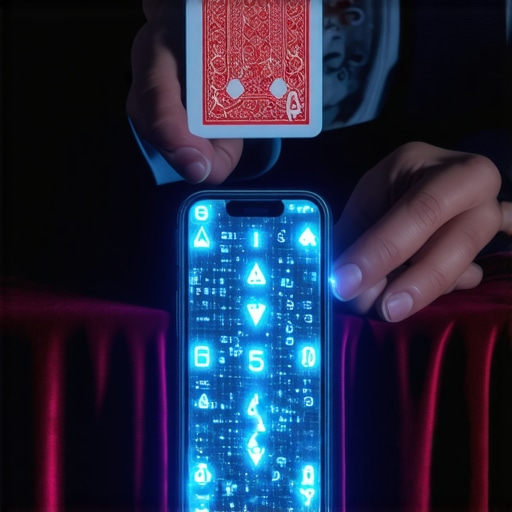
I remember standing in the middle of a massive ballroom, surrounded by elegant chiavari chair rental setups and the faint smell of expensive catering. I was supposed to be the ‘wow’ factor for this tech gala, but the audience was glued to their smartphones. Instead of fighting the screens, I had a realization that changed my career: if they are already staring at their devices, why not turn those devices into my secret accomplices? I spent years trying to distract people from their phones, but the real win is using interactive event apps to feed me information that makes my mentalism look like actual witchcraft. Today, I am going to show you exactly how to integrate these digital tools so you can stop guessing and start knowing.
The Night I Almost Lost My Reputation at a High-End Gala
I’ll be honest with you. Early in my career, I tried to pull off a high-stakes mentalism bit at a trade show involving a specific badge-scanning tactic, and I failed miserably because I didn’t understand the tech. I relied on a spotty Wi-Fi connection inside a party tent rental, and when the signal dropped, so did my ‘psychic’ connection. It was humiliating. But that failure taught me the most important lesson in modern performance: tech should assist you, not replace your skill. When you use an app to secretly gather a guest’s favorite memory or their first pet’s name—data they’ve already entered for a ‘networking’ icebreaker—you aren’t just doing a trick. You are creating a hyper-personalized experience that feels impossible. According to a study by EventMB, over 71% of event planners use mobile apps to increase attendee engagement, which means the infrastructure for your secret assist is likely already paid for by the client. Have you ever felt like you were competing with a guest’s smartphone for their attention?
Are these digital tools really worth the extra setup?
It is easy to be skeptical and think that using an app is ‘cheating’ or just too much work. You might worry about technical glitches or looking like you are trying too hard to be ‘tech-forward’ when guests just want a deck of cards. But here is the truth: when you bridge the gap between experiential networking and traditional illusion, you occupy a space that other entertainers can’t touch. I’ve seen corporate team building activities go from mind-numbingly dull to electrifying just because the magician knew something about the CEO that wasn’t on the company bio. It’s about leveraging the hyper-personalization services that modern clients crave. You don’t need to be a coder; you just need to know which features of the event app to ‘overhear.’
Bridge the Digital Divide with Your Set
Integrating an app into your routine isn’t about being a tech support agent; it’s about becoming a data-driven ghost in the machine. First, you need to coordinate with the event planner weeks in advance to understand the platform’s ‘Game’ or ‘Icebreaker’ functions. These are often built to encourage experiential networking by asking guests for a fun fact or a goal for the year. If you can get ‘Read-Only’ access to the backend or simply follow the live feed, you’ve essentially just found a modern-day peek wallet that doesn’t require a physical touch.
Spot the Features That Feed You Information
Most modern event apps have a ‘shout-out’ or a community wall where attendees post photos and comments. While everyone else is looking at the blurry selfie of the keynote speaker, you should be looking at the metadata—who is engaging with whom, and what are their specific pain points? This is the core of the move that makes hyper-personalization services feel like real magic. When you approach a group and mention a specific detail they posted ten minutes ago, it doesn’t feel like you’re a stalker; it feels like you are perfectly in tune with the room’s energy. I once worked a high-end realtor mixer where the app asked everyone to list their ‘Dream Listing Location.’ By the time I reached the VIP table, I knew exactly who wanted a beachfront villa and who was eyeing a mountain retreat. Using close-up magic as the delivery mechanism, I revealed those locations as if I were plucking them from their subconscious. The gasps were audible because the information was current, relevant, and impossible for a stranger to know. 
Turn Dry Attendee Lists into Impossible Revelations
The secret sauce is the ‘Delayed Reveal.’ Don’t use the information the second you get it. If you see a guest post about their love for obscure 80s synth-pop on the event app, wait twenty minutes. If you are performing in a party tent rental, the environment is already chaotic, so you need to create a bubble of focus. Approach them, perform a standard sleight, and then ‘pivot’ into the personal detail. This transition is what separates a hobbyist from a pro. It’s also why hyper-personalization services are the only way to engage Gen Z attendees who are otherwise immune to traditional parlor tricks. They want to be the center of the story.
Audit the Room Layout Before You Start
Your tech won’t save you if the physical setup is a disaster. I learned this the hard way at a gala where the chiavari chair rental layout was so tightly packed I couldn’t even reach the guests I had researched. If you can’t move, you can’t perform. You need to ensure your interactive event entertainment has breathing room. Think of the room like a chessboard; if your ‘pieces’ (the guests) are pinned by bad furniture placement, your digital advantage is neutralized. Always walk the floor before the first guest arrives to ensure you have a clear path to the people the app has identified as your best targets.
Let’s dig deeper.
Most event planners assume that if they book a fancy venue and a massive list of vendors, the party will naturally thrive. This is the first major trap. When it comes to high-stakes proms or corporate galas, the common belief is that a ‘more is more’ approach to amenities—like adding a nacho machine rental or extra inflatable rentals—automatically equals higher engagement. In my experience, the opposite is true. Overloading a floor plan creates decision fatigue and fragments the audience’s attention. Instead of a cohesive experience, you end up with a collection of disjointed ‘islands’ of activity. The key to sophisticated planning is learning how to secure better event rentals deals that prioritize the flow of the room over the quantity of the equipment.
Why Your Tent Layout Might Be Sabotaging Your Main Event
I have walked into countless high-end weddings where the wedding tent rental was stunning, but the logistical placement of the stage was a disaster. One of the most frequent ‘oops’ factors I see is when planners overlook the technical requirements of your live performers in favor of aesthetic symmetry. If you place a noisy generator or the catering prep area directly behind the performance space, you’ve effectively killed the atmosphere. This is why your event rentals strategy needs a human element to succeed. You need someone who understands sightlines and acoustics to audit the space before the first chiavari chair rental is placed. Have you ever fallen into this trap of prioritizing the ‘look’ of a rental over its practical impact on the performance? Let me know in the comments.
Does AI Integration Help or Hinder Guest Connection?
There is a lot of buzz about AI corporate integration, but most people are doing it wrong. They use it for generic chatbots that guests ignore. The real power of hyper-personalization services are the only way to engage Gen Z attendees because they crave recognition, not just automation. A study by the Event Industry Council found that while technology increases reach, the perceived ‘quality’ of an event drops when the human interaction element is secondary to the hardware. If your AI isn’t feeding your human entertainers—like me—data that makes the interaction feel more intimate, then it is just expensive wallpaper. 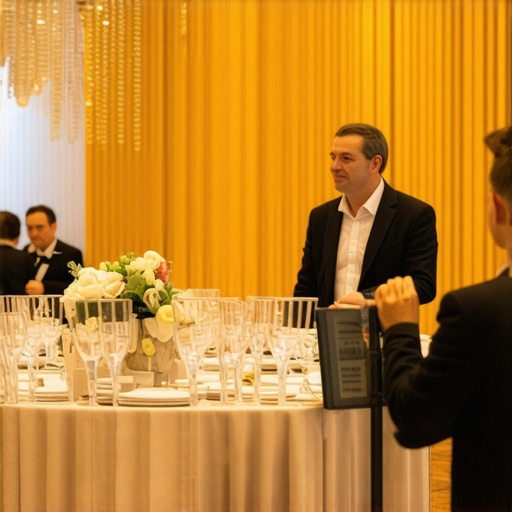 When you learn to avoid the messiest mistakes in event rentals, you stop being a coordinator and start being a director of human experiences. It’s about knowing that your entertainment needs to be more interactive than a simple stage show; it needs to live in the spaces between the digital and the physical. Always verify that your venue decoration services aren’t just filling space, but are actually creating pockets of intimacy that encourage guests to put down their phones and engage with the mystery in front of them.I have realized over the years that the tools you use behind the scenes are just as vital as the sleight of hand you perform on stage. If you want to scale your business, you cannot simply rely on word-of-mouth; you need to master the specific content moves that get magic services ranked locally. For me, this meant moving away from messy spreadsheets and into specialized CRM software that tracks not just basic booking dates, but specific attendee data from previous trade show magic gigs. Maintaining this data is the difference between a one-off performance and a lifelong client relationship. I personally use a combination of project management boards and a very specific Google Business Profile strategy because I have seen how your current google review seo strategy is secretly costing you bookings if you are not actively managing your digital reputation.
How do I keep my performance toolkit from falling behind?
Reliability is the only currency that matters in high-end event planning. I carry a ‘Show-Saver’ kit that includes a high-gain Wi-Fi extender and a dedicated mobile hotspot at every gig. Why? Because the signal inside a pop-up mystery theater or a heavy-duty wedding tent rental is notoriously unreliable. According to the Meeting Professionals International (MPI) 2024 Meetings Outlook, technical failure remains a top-three concern for planners integrating hybrid event services. If you cannot guarantee your digital assists will work, you are a liability to the event’s flow. Regular audits of your hardware—checking cables, updating app versions, and testing battery cycles—must be part of your weekly routine, not something you do five minutes before the curtains open. 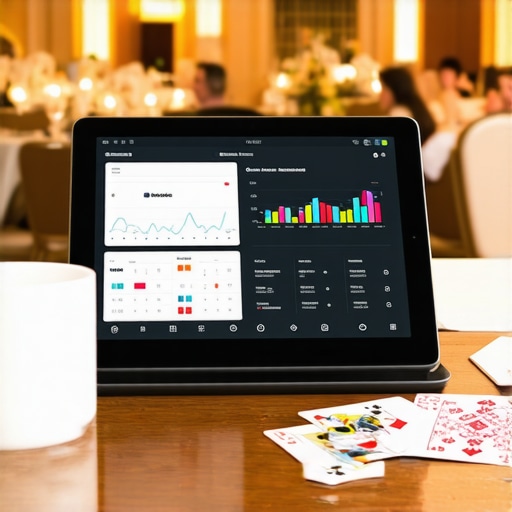
Get Personal or Get Ghosted by Your Audience
The long-term results of your event depend on how well you can bridge the gap between the physical and digital. I predict that in the next few years, the move that makes hyper-personalization services feel like real magic will involve biometric feedback or augmented reality layers that guests access via their own devices. We are moving toward a world where your event app might track guest excitement levels in real-time, allowing you to pivot your routine toward the highest-energy groups instantly. If you are not already comfortable with basic data integration, you will be invisible to the next generation of planners. My advanced tip for you today: Take twenty minutes to audit your local presence. Check if invisible citation errors are making you hard to find. If you aren’t visible on the map, the most sophisticated tech in the world won’t get you the contract.
The Brutal Truth About Digital Magic No One Tells You
After a decade of blending apps with illusions, I’ve realized that data is a scalpel, not a sledgehammer. You shouldn’t try to use every piece of information you find; instead, focus on the ‘Why’ behind the interaction. I’ve seen many community-driven events fail the information gain test because the entertainers were too busy staring at their phones instead of the guests. Here are the core truths I live by:
- Less is more: One perfectly timed revelation about a guest’s childhood pet is worth ten generic ‘psychic’ guesses.
- Trust but verify: Technical glitches happen; always have a non-digital backup ready to go.
- Physical limits: Even the best data is useless if your choice of seating impacts your performance space and stops you from moving through the crowd.
#IMAGE_PLACE_WRAPUP#
My Personal Toolkit for Staying Visible and Booked
To keep my business running and my performances sharp, I don’t just rely on magic. I treat my digital presence with the same precision as a deck of cards. Here is what is currently in my ‘invisible’ toolkit:
- Local Visibility: I constantly check for messy citation errors that make magic businesses invisible to prevent losing local leads to less skilled competitors.
- Google Profile Mastery: I follow a strict checklist to keep my Google Profile irresistible to high-end event planners.
- Reliability Rig: I carry a portable hotspot for every gig to avoid signal drops during a crucial digital reveal.
Make Your Next Event Impossible to Forget
The transition from a traditional magician to a digital mentalist isn’t about learning to code; it’s about learning to listen in a new way. When you combine micro-event planning strategies with hyper-personalized data, you create moments that guests will talk about for years. You are no longer just an ‘act’; you are the undisputed highlight of their social calendar. Don’t be afraid to experiment with these tools. The future of performance is already here, and those who embrace it will lead the industry. Have you ever had a technical glitch ruin a perfectly planned ‘psychic’ moment at a show? Let me know how you recovered in the comments below!