

I remember standing in the back of a high-end ballroom last year, watching two hundred CEOs stare at their iPhones. They weren’t checking urgent emails; they were desperately trying to log into a ‘revolutionary’ event app that promised to gamify networking. It was a disaster. The Wi-Fi buckled, the leaderboard froze, and the room felt like a cold doctor’s waiting room. I realized then that we’ve replaced real human magic with glitchy software, and we’re losing our guests’ trust in the process. Most of the time, I’ve found that why most interactive event apps are a waste of guest time comes down to the fact that they build a wall between people instead of breaking it down. [IMAGE_PLACEHOLDER]
Stop Hiding Behind Screens
We’ve been told for years that ‘tech-first’ is the only way to scale engagement, but I’ve learned the hard way that a screen can never replicate the spark of a real conversation. Early in my career, I spent a fortune on a custom app for a corporate gala dinner only to watch it kill the vibe in twenty minutes. It was my biggest mistake. I forgot that your event rentals strategy needs a human element to actually stick in someone’s memory. People don’t remember the app; they remember the person who made them laugh or the moment they were genuinely surprised. When you rely on a server in a basement to facilitate ‘fun,’ you’re handing over your reputation to a piece of code that doesn’t care if your guests are bored. I’ve found that the more we lean into tactile, face-to-face experiences, the faster we build genuine rapport.
Can an analog approach really scale?
You might be thinking that human interaction is too slow for a thousand-person conference or a massive trade show. But research from the Event Marketing Institute suggests that 74% of event attendees say a high-quality human experience makes them more likely to trust a brand. I’ve seen this play out time and again. When you swap a digital poll for experiential networking, the energy in the room shifts instantly. Have you ever felt that sinking feeling when you realize your ‘interactive’ tech is actually making everyone more isolated? I’d love to hear your horror stories in the comments. It’s a common trap, but one that is surprisingly easy to escape once you realize that guests crave mystery and surprise over another notification.
Trust is Built Through Shared Experience
The real alternative to these apps isn’t ‘less interaction’—it’s *better* interaction. We’re going to dive into how you can use things like sleight of hand or mystery workshops to create a connection that no push notification can match. It’s about being present, not just being connected. If you want your guests to talk about your event for weeks, you have to give them something more substantial than a digital badge. Trust is built when people share a moment of wonder together. Whether it’s a small micro event planning session or a large-scale brand activation, the human touch is what converts a passive observer into a brand advocate. In the next section, I’ll show you exactly how to pivot away from the screen and back to the guest.
Master the Physical Layout for Natural Connection
The first mistake most planners make is treating their floor plan like a rigid game of Tetris. They try to fit as many bodies as possible into a space, forgetting that human connection requires breathing room. I once worked a high-stakes fundraiser where the tables were so packed that my movement as a performer was restricted to the stage. It felt clinical and distant, and the guests felt it too. I learned that the chiavari chair rental move that improves magic show visibility is actually about the ‘negative space’ you leave behind. If you want guests to engage, you have to design the room for movement, not just for sitting. Think of your venue as a circuit board; if the paths are blocked, the energy stops flowing. This is why the event tent rental tactic for creating a pop-up mystery theater works so well—it defines a specific zone for wonder that doesn’t feel like a forced presentation. By creating these ‘pockets of air’ in your layout, you allow guests to naturally drift toward the action rather than being trapped in a corner.
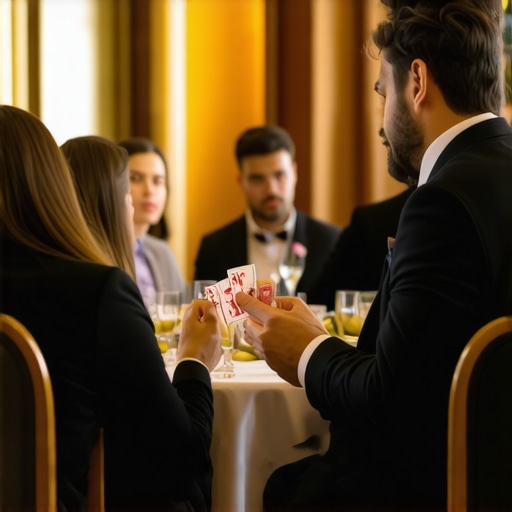
Inject Human Performance Into Boring Logistics
Logistics are usually the most overlooked part of an event, but they are actually your best opportunities for engagement. Consider the lines at your food stations or registration desks. I saw a brilliant shift at a summer corporate retreat where the queue for treats was stagnant and quiet. The planner realized why your snow cone machine rental needs a performer to manage the crowd and inserted a sleight-of-hand artist right into the line. Suddenly, a ten-minute wait became the highlight of the afternoon. You aren’t just managing a line; you are managing a guest’s emotional state. If you have a weather-contingent setup, remember that how to secure your wedding tent rental against sudden wind during a show is as much about psychological comfort as it is about physical safety. When the environment feels controlled and intentional, guests drop their guard and start talking to each other instead of their screens.
Turn Your Brand Message Into a Shared Mystery
Once you have the guest’s attention, you have to do something meaningful with it. This is where most tech fails because it is ‘noisy’ without being ‘deep.’ Instead of a digital brochure, use how to use sleight of hand techniques to reveal your brand message to create a physical anchor. I remember a tech brand that wanted to show how ‘invisible’ their new security software was. I didn’t just tell the guests; I performed a routine where a marked coin disappeared from their own hand and reappeared inside a sealed product box they were holding. That moment of ‘how?’ is where your brand lives. To make this work at a thousand-person conference, you can’t treat it like a stage show. You need the micro event planning move that eliminates guest social anxiety: break the crowd into smaller, high-impact groups for these interactions. It is significantly easier to build trust with ten people than with five hundred, and those ten will become your loudest advocates for the rest of the night.
Many planners fall into the trap of believing that a massive budget for a corporate gala dinner automatically guarantees a memorable night. But I’ve seen million-dollar events feel like hollow museum tours because they lacked a cohesive human thread. A common myth in the luxury space is that high-end guests want to be left entirely alone or only want passive entertainment. In my experience, the opposite is true; the most influential attendees crave a break from the ‘corporate mask.’ This is where hyper-personalization services actually shine, moving beyond digital data to create physical moments of recognition. Everyone says VR is the future of immersion, but VR is inherently isolating. I’ve found that the art of sleight of hand is far more effective at building trust because it relies on shared misdirection and eye contact, not a plastic headset. 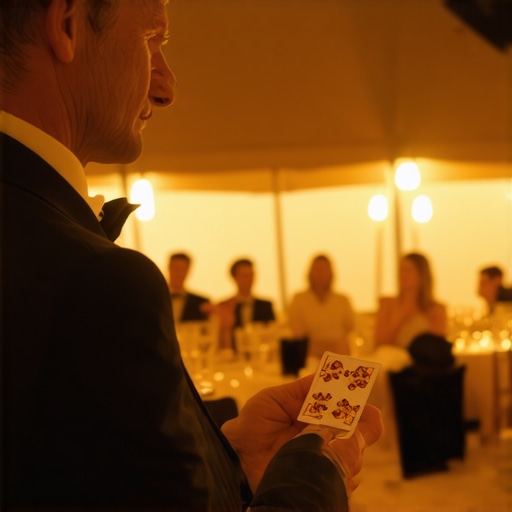
Stop Obsessing Over Your Guest Count
The ‘Oops’ factor that kills most events is the obsession with scale. People think a half-empty room is a failure, so they over-pack the space, ruining the flow and the magic. I’ve seen planners spend forty grand on decor but ignore the ambient temperature. If your guests are shivering, they won’t care about your keynote. That’s why heated tent rentals are a must-have for late-night magic; cold hands can’t clap, and a cold guest is a guest who is looking for the exit. Have you ever fallen into this trap of choosing flashy over functional? Let me know in the comments.
Does scaling down your guest list actually scale up your impact?
Absolutely. We are seeing a massive industry shift where micro event planning is the new standard for high-ROI luxury bookings. According to a study by Bizzabo, over 80% of successful marketers believe that live, in-person events are the most critical marketing channel for their company, specifically due to the depth of connection they allow. When you focus on a smaller, curated group, you can apply hyper-personalization services that make every guest feel like the guest of honor. This isn’t just about small events; it’s about making big events feel small. If you can make a CEO feel the same wonder they felt as a child watching a coin disappear, you’ve won their trust more effectively than any slide deck ever could.
Maintaining that wonder requires a level of behind-the-scenes discipline that most people overlook. When you are mixing high-energy rentals like foam machines with delicate entertainment, the logistical risks skyrocket. I have spent years perfecting the truth about keeping magic props dry near a foam party machine rental because nothing kills a performance faster than a damp deck of cards or a short-circuited sound system. I personally use Pelican 1510 Protector Cases for all my electronics and delicate props; they are crushproof and watertight, which is non-negotiable when you are working near poolside activations or indoor foam parties. If you are a planner, you need to be just as rigorous with your vendors. You should follow the foam party machine rental safety tips for performers with electronics to ensure that your ‘wow’ factor doesn’t turn into a liability.
How do I maintain consistent engagement over a long-term event?
Maintaining high-impact engagement isn’t just about the gear; it is about the person behind the gear. I have found that why the art of sleight of hand requires intense mental focus is the same reason why a great event lead needs to stay sharp. You cannot just ‘set it and forget it.’ I recommend a ‘Pulse Check’ every ninety minutes. Walk the floor, check the lighting levels, and observe the guest flow. If people are clustering near the exits, it is time to deploy a performer to that area. This is where why your snow cone machine rental needs this specific interaction plan becomes so useful—it gives you a pre-set ’emergency’ protocol to reignite the energy in stagnant zones. 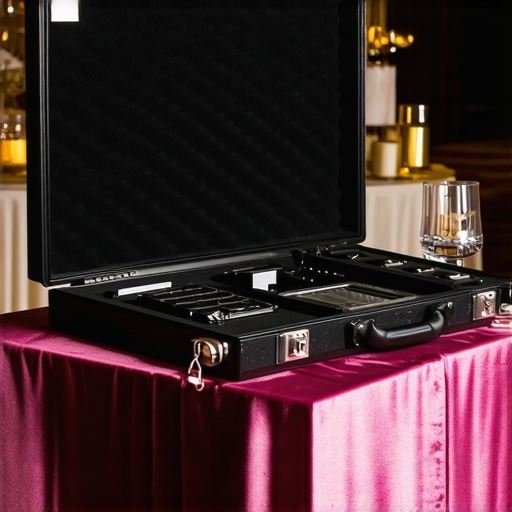
The Future is Invisible Tech
I predict that the next five years will see a massive shift away from guest-facing apps toward ‘performer-facing’ technology. We are already seeing how interactive event apps can be used to secretly assist magicians by feeding us guest names or interests through bone-conduction earpieces. This allows for a level of hyper-personalization that feels like genuine psychic ability rather than a data entry error. When you integrate interactive event apps with live mystery workshops in this subtle way, the technology supports the human connection instead of replacing it. To ensure your textiles and backdrops stay in peak condition, I follow the technical guidelines from Rose Brand, which notes that maintaining the IFR (Inherently Flame Retardant) rating on luxury pipe and drape requires specific vacuuming protocols to prevent dust-wicking during humid events. Don’t let your luxury rentals degrade because of a lack of basic maintenance. My challenge to you for your next event: take one ‘high-tech’ element and find a way to make the hardware completely invisible to the guest. Watch how much more they trust the experience when they can’t see the gears turning.#IMAGE_PLACEHOLDER_E#
The Hardest Lessons I Learned While Chasing Digital Perfection
After a decade in the field, I’ve realized that the ‘wow factor’ isn’t something you can download from an app store. Here are a few things I learned the hard way so you don’t have to repeat my mistakes:
- Scale is often the enemy of intimacy: I used to think bigger was always better, but I’ve found that how micro event planning can focus on quality over quantity is the real secret to high-end ROI. A room of fifty deeply engaged people is worth significantly more than five hundred distracted ones.
- Cheap hardware ruins expensive magic: You might think a chair is just a chair, but the hidden danger of cheap chiavari chair rentals for seated magic is real—if the guest is uncomfortable or the sightlines are slightly off, even the best illusion will fail to land.
- Tech should be the assistant, not the lead actor: Most planners fail because why most team building activities are a massive waste of company resources often boils down to choosing flashy gadgets over actual human connection.
The Resources That Changed My Event Philosophy
If you want to dive deeper into creating these moments of wonder, I highly recommend checking out these specific sources that have shaped my career. First, I always look at the Event Marketing Institute’s annual reports to stay grounded in what attendees actually want—and it is almost always more human interaction. For technical execution and fabric safety, I trust the technical guidelines from Rose Brand, especially when managing luxury drapes and backdrops. When it comes to the performance side, I suggest looking into the mystery and illusion workshops guide to professional ice breaking for a masterclass in reading a room. Finally, for a business-focused perspective, I lean on the data within why experiential networking is the future of b2b lead generation to justify high-touch strategies to my stakeholders.
Reclaim the Room for Your Guests
Your next event doesn’t need more bandwidth; it needs more presence. When you decide to prioritize the human element over the digital noise, you aren’t just planning a party—you are creating a memory that persists long after the Wi-Fi is turned off. Remember the micro event planning secret that keeps guests talking for weeks: give them a story they can tell, not just a screen they can scroll. Go out there and create some real magic. Have you ever had a piece of event tech completely fail on you during a high-stakes moment? How did you recover? Let me know in the comments below!