
Have you ever stood at a trade show booth, trying to catch attention, only to see potential clients glance away as your pitch falls flat? I remember my first trade show experience vividly—desperately trying to impress with products and data, yet feeling like I was invisible in a sea of competitors. That moment of realization hit hard: trust isn’t built just with facts; it’s forged through connection, and surprisingly, through magic.
Why Sleight of Hand Matters More Than Ever in Trade Show Magic
In today’s fast-paced business environment, standing out at trade shows is a challenge. According to a recent survey, 87% of attendees say their impression of a brand improves after witnessing impressive live interactions, especially those involving magic tricks that seem to defy logic. This is where trust-building sleight of hand becomes a game-changer. It’s not just about entertainment; it’s about establishing credibility and rapport instantly.
Have you faced the dilemma of engaging your audience without seeming gimmicky?
Early in my journey, I made the mistake of overloading my act with complicated tricks that confused rather than captivated. It was a costly mistake—losing trust before I even got to my pitch. Over time, I learned that simplicity and authenticity are the keys. Effective sleight of hand should feel natural, like a genuine conversation, not a performance that’s all flash and no substance. This approach not only boosts trust but also makes your message memorable. Want to learn how to craft impactful magic that builds trust quickly? Let’s explore the core principles and techniques that can transform your trade show interactions into powerful trust-building moments.
Start with Simplicity: The Foundation of Trust
When I first attempted to impress at a trade show, I overloaded my act with complex tricks. The result? Confusion and a loss of credibility. Instead, focus on simple, well-practiced sleight of hand that feels natural. Think of it like a friendly conversation—easy to follow and engaging. Practice these basics until they become second nature, so your movements appear effortless and genuine. For example, I once perfected a basic coin vanish, which I could perform smoothly without hesitation, creating an instant sense of wonder and trust.
Use Analogies to Clarify Your Technique
Break Down Complex Moves into Relatable Concepts
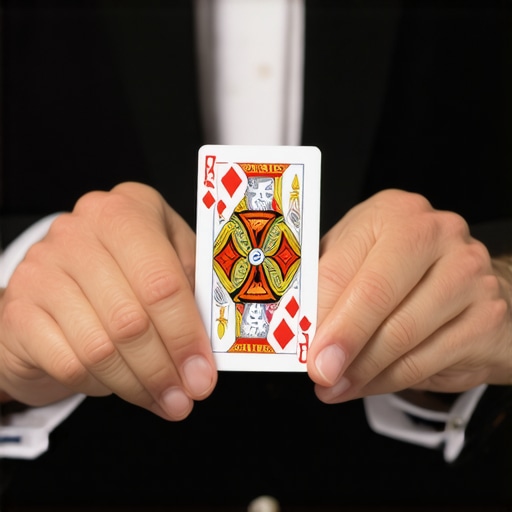
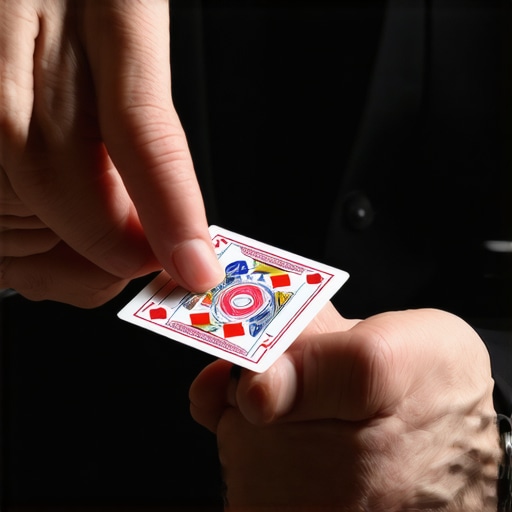
Imagine your sleight of hand as a dance—each move should flow seamlessly into the next. When I learned to do a card switch, I visualized it as turning a page in a book, smooth and natural. This mental image helped me perform more convincingly and confidently. Analogies like this make your technique more relatable, helping your audience believe in the magic and, consequently, trust you more. Want to see how to adapt this idea? Check out trust-building secrets for interactive magic.
Practice with Purpose: Repetition & Refinement
My breakthrough came when I dedicated time to deliberate practice—repeating each trick until it became second nature. I recorded myself to spot unnatural movements and refined until I looked confident. This process is like tuning an instrument—small adjustments lead to a harmonious performance. Remember, consistency is key. Regular practice ensures your sleight of hand is reliable, reducing errors that can break trust. For targeted exercises, explore mastering sleight of hand for trust-building magic.
Engage with Your Audience: Make It Interactive & Personal
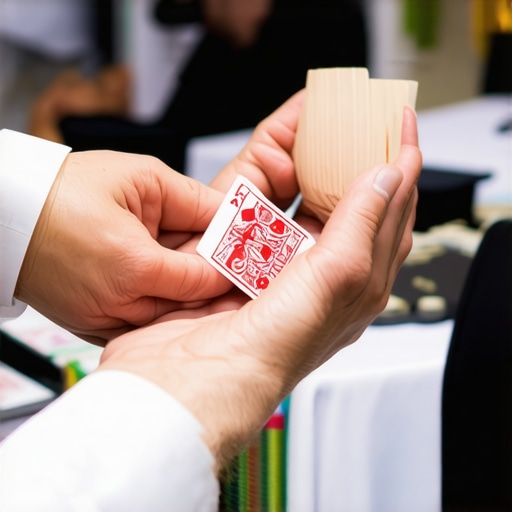
During my first real trade show, I started involving the audience—asking volunteers to help with tricks or to pick a card. This interaction transforms passive viewers into active participants, building rapport and trust. I remember a moment when a volunteer’s genuine surprise amplified the magic, making the experience memorable. Think of your audience as fellow dancers in your performance—inviting them in makes the act more authentic and trustworthy. Want ideas on how to maximize engagement? Visit top interactive magic ideas.
Maintain Authenticity: Be Genuine & Consistent
One mistake I made early on was trying to be overly flashy, which felt insincere. Instead, I focused on being authentic—sharing a genuine smile, maintaining eye contact, and performing tricks that resonated with my style. Authenticity is like the glue that bonds trust; no matter how impressive your sleight of hand, if it feels forced, trust erodes. Practice your act until it aligns with your personality, then deliver it with confidence. For tips on authenticity, explore trust-boosting close-up magic.
Many professionals believe that mastering a few impressive sleight of hand tricks is enough to build instant trust at trade shows. However, this is a common misconception that can lead to costly mistakes. Let’s dig deeper and explore what most people get wrong about high-level trade show magic and the hidden nuances that can make or break your success.
Myth: Complexity Equals Credibility
One of the most pervasive myths is that complicated tricks impress audiences more and therefore automatically establish trust. In reality, overloading your act with complex moves often backfires. The audience can get lost or confused, which diminishes your credibility rather than enhances it. Instead, focus on simple, well-practiced illusions that feel natural and authentic. As experts like Garry Kasparov emphasize, simplicity combined with mastery creates a stronger impact than complexity without clarity.
Advanced Mistake: Ignoring Audience Perception
Many assume that magic tricks are solely about the effect, but they often overlook how audience perception shapes trust. For instance, a trick performed flawlessly but without genuine engagement or authenticity can seem cold or rehearsed. The real nuance is in making your magic appear spontaneous and heartfelt. This subtle shift can significantly boost your trustworthiness, especially when combined with authentic body language and eye contact.
Trap to Avoid: Relying on Memory Alone for Mastery
Another common mistake is assuming that practicing a trick multiple times guarantees flawless execution. However, without understanding the nuances—like timing, audience interaction, and emotional cues—your performance can still fall flat. Research shows that deliberate, purposeful practice that includes role-playing and audience simulation is far more effective. Mastering these subtleties ensures your magic feels genuine and trustworthy, not just rehearsed.
What about the advanced question: How can I adapt my magic for diverse audiences?
This is where the real nuance lies. Different audiences have different cultural expectations, familiarity with magic, and communication styles. A trick that resonates with one group might fall flat with another. To navigate this, study your audience beforehand and adapt your routines accordingly. Techniques like culturally sensitive storytelling and flexible scripting can help. Recognizing these subtle differences demonstrates your advanced understanding of trust-building dynamics.
In conclusion, the key to effective trade show magic lies not just in performing impressive tricks but in understanding and mastering these hidden nuances. Avoid the trap of overcomplication, focus on authentic engagement, and tailor your approach to your audience. Have you ever fallen into this trap? Let me know in the comments.
Maintaining your trade show magic performance over time requires more than just initial practice — it demands the right tools and a disciplined approach to upkeep. As the landscape evolves, so do the methods for ensuring your tricks remain impactful and your audience’s trust remains unshakable. Here’s how I stay sharp and keep my magic consistently effective, along with some trusted tools I recommend.
How do I maintain my trade show magic over time?
First, I invest in high-quality, durable props. For example, my favorite coin and card sets are from Magician’s Choice. They’re built to withstand frequent handling, so I don’t have to worry about wear and tear diminishing the illusion. Additionally, I regularly revisit my routines, recording myself and analyzing the footage. This helps me spot any subtle movements that could undermine my credibility — even after years of practice. For software, I rely heavily on video editing tools to review my performances, refine my timing, and ensure my gestures remain smooth and natural.
Another essential element is staying updated with new techniques. I subscribe to specialized publications like Magic Journal and participate in online forums such as Magic Forum. These platforms often introduce innovative sleight-of-hand methods and storytelling techniques that can be seamlessly integrated into my acts, keeping my performance fresh and credible.
Recommended Tools for Long-term Success
Among the tools I find invaluable is Magic Practice App. This app allows me to simulate audience reactions, helping me practice with emotional cues and timing, which are crucial for trust. For physical props, I prefer Custom-made, precision-engineered gimmicks. I’ve found that investing in well-crafted props from Custom Magic Props ensures reliability and authenticity in my tricks, reducing the risk of technical hiccups during live performances.
For ongoing education, I highly recommend Magic MasterClass. Their courses focus on advanced sleight of hand and audience psychology, helping me adapt to different audiences and maintain a high level of trustworthiness. Combining these tools with consistent practice and review is how I ensure my performance remains sharp, credible, and engaging over the long haul.
Looking Ahead: The Future of Trade Show Magic Maintenance
As technology advances, I predict an increased reliance on augmented reality (AR) and virtual reality (VR) tools for practice and presentation. These innovations will allow magicians to simulate diverse venues and audience interactions, making maintenance more immersive and effective. Exploring and investing in these emerging technologies now can give you a competitive edge in maintaining top-tier trust and engagement in your trade show performances.
Remember, the key to keeping your magic working is regular maintenance, continuous learning, and investing in quality tools. Try integrating a new prop or technique into your routine this month, and observe how it enhances your audience’s perception of your credibility and trustworthiness.
The Hardest Lesson I Learned About Trust-Building with Magic
One of the most profound lessons I’ve encountered in my journey with trade show magic is that complexity can often undermine trust rather than build it. Early on, I believed that dazzling tricks with intricate sleight of hand would impress and establish credibility instantly. However, I soon realized that overcomplicating my act made my audience confused and skeptical, which is the exact opposite of what trust requires.
Another lightbulb moment was understanding the importance of authenticity over showmanship. I used to focus solely on performing impressive tricks, neglecting the genuine engagement that makes magic memorable. When I shifted my approach to include sincere eye contact, relaxed body language, and relatable stories, trust blossomed naturally. These subtle cues told my audience I was confident and trustworthy, not just a performer hiding behind a curtain of illusions.
Additionally, I learned that audience perception is everything. Performing flawlessly is not enough; I needed to make my tricks feel spontaneous and heartfelt. This meant practicing not just the mechanics but also the emotional cues and timing that make magic feel real. When I finally mastered this, my performances gained a new level of credibility that words alone could not achieve.
Lastly, I discovered that tailoring my routines to different audiences is a nuanced skill that can make or break trust. Recognizing cultural differences, age groups, and familiarity with magic helped me adapt my act, ensuring every interaction felt personalized and genuine. This adaptability is a secret weapon for building trust quickly and lasting in diverse trade show environments.


I found this post incredibly insightful, especially the emphasis on simplicity and authenticity in magic performances. Early in my career, I thought impressing audiences with complex tricks was the way to go, but I quickly learned that clear, straightforward illusions build more trust. The analogy of treating sleight of hand as a dance really resonated with me; flows naturally when you think of it that way. I also appreciate the focus on audience engagement—nothing beats involving volunteers in your act to create memorable moments and genuine rapport. Have others found that tailoring routines to different cultural backgrounds truly enhances trust, or are there specific techniques that work universally regardless of audience? For me, adapting storytelling and visual cues has made a noticeable difference in connecting with diverse groups. It’s fascinating how small adjustments can significantly impact the authenticity of a magic act and, in turn, trustworthiness. Would love to hear how others approach this aspect to keep their acts fresh and relatable.