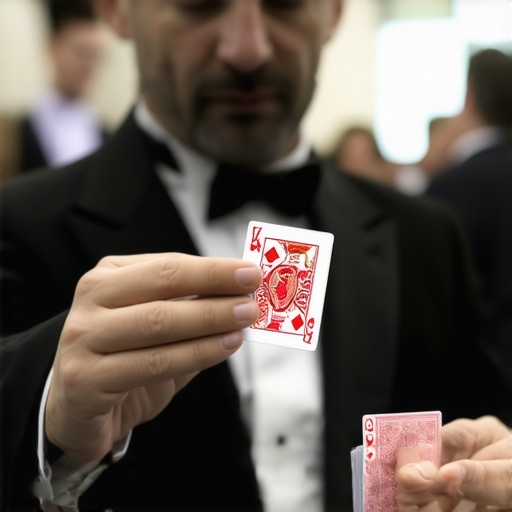
I remember the first time I tried to impress a trade show crowd with a simple card trick. It was a disaster. I fumbled, the audience looked confused, and I walked away feeling like I’d just lost a battle I didn’t even understand. That moment was a lightbulb flickering on—real trust doesn’t come from flashy moves alone, but from creating genuine connections.
Why Trust Matters More Than Ever at Trade Shows
Trade shows are noisy, fast-paced environments. You’re competing with countless booths, flashing screens, and a barrage of pitches. In this chaos, the magic isn’t just in the trick; it’s in how you build trust quickly and authentically. When people see you as credible and relatable, they’re far more likely to listen—and buy. That’s where master sleight of hand steps in. It’s not just about the illusion; it’s about using that illusion to forge a bond.
Is Sleight of Hand Just for Magicians or Can It Boost Business Too?
You might be skeptical—fair enough. I used to think the same. My biggest mistake early on was relying on tricks that dazzled but didn’t connect. I learned that the real power of sleight of hand is in its ability to demonstrate skill, confidence, and trustworthiness in seconds. When performed correctly, it’s a visual proof that you’re competent and trustworthy. Want to see how this works? Check out mastering sleight of hand for interactive trust-building magic shows for more insights.
But how do you get started? How do you choose the right tricks that resonate with your audience and actually boost trust? That’s what I’ll share next. If you’ve ever felt invisible or unsure at events, stay tuned. There’s a proven way to turn that moment into a memorable connection.
Pick the Right Tricks to Match Your Audience
Start by selecting simple, visual tricks that demonstrate skill without overwhelming your audience. Focus on effects that are quick and clear, such as card flourishes or coin vanishes, which naturally invite curiosity. I once tried a complex illusion at a trade show, but it confused more than engaged. Instead, I now choose tricks that are easy to follow and reveal my craftsmanship.
Practice Your Moves Until Flawless
Mastery comes from repetition. Dedicate time daily to perfect your sleight of hand. Record yourself performing to catch slips or awkward moments. One time, I performed a coin vanish at a booth, and initially, I fumbled. But after practicing in front of a mirror, I gained confidence and that confidence translated into trust. Learn more about effective sleight of hand techniques.
Engage Through Interactive Performance
Make your magic a two-way street. Involve your audience by asking questions or letting them examine the props. For example, I handed a coin to a visitor before vanishing it, which built immediate credibility. This interaction reduces skepticism and makes your act memorable. Consider using quick, simple questions like, “Can you hold this for a moment?” to establish trust.
Use Storytelling to Enhance Your Magic
Embed your tricks within a short story. I once told a tale about a magician who lost his coin, only to find it again through a clever trick. The story made the magic more relatable and trustworthy. Storytelling creates an emotional connection that enhances your credibility and makes the audience more receptive.
Maintain Confident Body Language
Your posture and eye contact speak volumes. Stand straight, make eye contact, and move deliberately. I noticed that when I slouched or looked away, people doubted my competence. When I adopted confident body language, trust naturally followed. For tips on improving your non-verbal cues, visit trustworthy close-up magic tips.
Close with a Strong, Clear Message
Finish your act with a statement that reinforces your credibility, like “Trust is the magic that makes everything possible.” This leaves a lasting impression. Remember, the goal is to make your audience feel confident in your skills and sincerity, not just dazzled by illusions.
Implement these steps consistently, and you’ll turn fleeting moments of magic into lasting trust that benefits your business relationships. For comprehensive insights, check out mastering sleight of hand for trust-building magic shows.
While many believe that flashy tricks alone can win trust at trade shows, there’s a nuanced trap that even seasoned performers often fall into: over-reliance on deception without genuine authenticity. The widespread myth is that the more impressive the illusion, the more trust you build. However, in my experience, this can backfire if the illusion overshadows your sincerity or if it’s performed without understanding the audience’s expectations.
One of the biggest misunderstandings is equating complexity with credibility. Many assume that complex illusions automatically translate to expertise and trustworthiness. In reality, overly complicated tricks can confuse your audience and erode trust if they don’t understand what’s happening. Simple, well-executed effects often communicate confidence more effectively. Learn more about effective sleight of hand techniques.
Why does focusing solely on the illusion risk undermining trust?
This approach neglects the importance of connecting emotionally and establishing rapport. The illusion should serve as a bridge to authenticity, not a distraction from it. When your audience perceives your magic as a genuine demonstration of skill and confidence, trust naturally follows. Conversely, if they see the act as merely trickery without sincerity, skepticism creeps in. It’s crucial to balance technical skill with genuine engagement and storytelling to maximize trust.
Another common mistake is neglecting the importance of body language and audience interaction. Relying only on the trick itself, without engaging, can make your performance feel cold or rehearsed, which diminishes trust. When I first started, I focused on perfecting my sleight of hand but overlooked the power of eye contact and open gestures. Incorporating these elements made my tricks more believable and fostered a sense of connection. For tips on perfecting your non-verbal cues, visit trustworthy close-up magic tips.
Furthermore, there’s a misconception that performing more tricks equals more trust. Quality always beats quantity. One well-placed, meaningful illusion can be far more impactful than multiple hurried effects. It’s about crafting a narrative that resonates with your audience, making your magic memorable and trustworthy. Remember, trust is built in moments of authenticity, not just spectacle.
Lastly, many underestimate the importance of consistent practice and mastery. A trick performed flawlessly instills confidence, which is the foundation of trust. Practice isn’t just about perfecting moves but also about understanding timing, audience perception, and your own comfort level. Even experts recommend dedicating time daily to refine your skills. For advanced techniques that enhance trust, check mastering sleight of hand for trust-building magic.
In summary, the key is to avoid overestimating the impact of illusions alone and to focus on authentic, simple, and well-practiced performances that foster genuine connections. Have you ever fallen into this trap? Let me know in the comments.
Maintaining your magic setup over time is crucial to ensuring that your performances remain smooth, impressive, and trustworthy. The right tools and routines can help you avoid common pitfalls like equipment degradation or software glitches, allowing you to focus on building genuine connections with your audience. In this article, I’ll share the specific tools I rely on to keep my trade show magic sharp and consistent, along with insights into future trends that might shape how we maintain our craft.
How do I maintain my magic routine and equipment over time?
First and foremost, regular inspection and maintenance are non-negotiable. I use a set of precision-crafted props made from durable materials like high-quality stainless steel coins and laminated cards, which resist wear and tear. For example, I personally prefer Bicycle playing cards because they are sturdy and have consistent handling, reducing the chance of misfires during critical moments. Keeping my props in a dedicated case with individual compartments prevents scratches and deformation, ensuring longevity.
Beyond physical tools, software plays a vital role. I utilize specialized training apps that help me refine my sleight of hand through video analysis. Recording my performances with a high-definition camera allows me to review my moves, identify weaknesses, and improve my timing. This kind of self-review is invaluable, especially when preparing for high-stakes trade shows where every second counts.
Another key tool is a portable lighting system. Small, battery-powered LED lights with adjustable brightness help me highlight my props and gestures, making my magic more visible and engaging. I prefer models with dimming capabilities because they allow me to control the mood and focus audience attention precisely where I want it. Proper lighting not only enhances visual clarity but also boosts your confidence during performances.
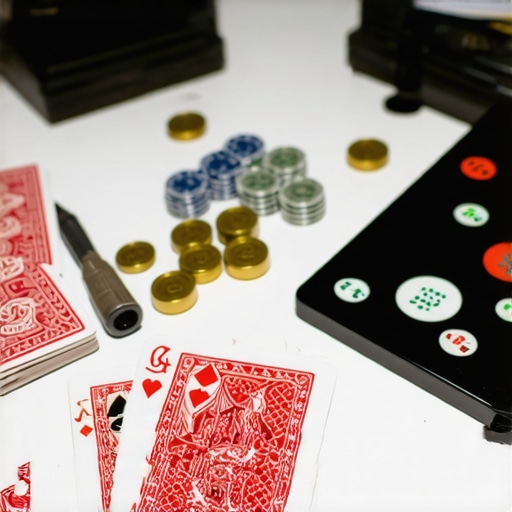
Looking ahead, I believe that augmented reality (AR) and smart devices will become integral to maintaining and scaling our magic. Imagine using AR glasses to simulate perfect illusions or real-time feedback systems to gauge audience reactions. These innovations will help us adapt quickly and deliver even more impactful shows.
To keep your routine working seamlessly, develop a regular maintenance schedule that includes cleaning, inspecting, and updating your props and tech. Practice with your tools daily, and don’t shy away from experimenting with new gadgets or software that can enhance your performance. The key is consistency—both in your equipment care and your skill refinement.
Try implementing a dedicated prop maintenance kit, complete with cleaning cloths, lubricant, and replacement parts. Pair this with a routine review of your performance recordings to track your progress and troubleshoot issues early. This proactive approach ensures that your magic remains reliable and impressive, no matter how often or where you perform.
As the trade show environment evolves, staying current with the latest tools and techniques will give you a competitive edge. Remember, a well-maintained routine isn’t just about equipment—it’s about cultivating confidence, trust, and excellence in every show. For more detailed tips, check out trustworthy close-up magic tips and start building your maintenance routine today!
The Hardest Lesson I Learned About Building Trust with Magic
Early in my career, I thought that dazzling illusions alone would win over any audience. But I quickly realized that without genuine connection, even the most impressive tricks fall flat. The real lesson was that trust isn’t about the illusion itself; it’s about how you make your audience feel seen and respected. Simplify your tricks to match your audience’s understanding, and always prioritize authenticity over complexity.
What Experts Won’t Tell You About Consistent Practice
Most performers believe that once they master a trick, they’re done. But I’ve learned that continuous practice and self-review are what keep your performance reliable and trustworthy. Recording yourself, analyzing your gestures, and refining your timing creates a performance that feels natural and confident. This consistency builds an invisible bridge of trust that turns fleeting moments into lasting impressions.
The Power of Storytelling in Building Real Confidence
Incorporating a short, relatable story with your magic transforms a simple trick into a memorable experience. When I shared a tale about a lost coin and its clever return, my audience connected emotionally, and trust was established faster. Storytelling humanizes your act, making your skill feel genuine and approachable, not just impressive.
Where to Go from Here
To deepen your mastery, explore resources like mastering sleight of hand for trust-building magic shows and top tips for trustworthy close-up magic at trade shows. These guides provide practical techniques that have transformed my performances and can do the same for you. Remember, trust isn’t built on tricks alone—it’s crafted through authentic engagement and consistent mastery.
Your Turn to Try
Now it’s your moment. What’s the one lesson from this article that resonates most with your approach to magic and trust-building? Share your thoughts below, and let’s grow together in creating memorable, trustworthy performances that truly connect with audiences.