
Ever stepped onto a trade show floor feeling like a small fish in a vast ocean? I remember my first few attempts at magic tricks that promised to build trust and confidence. Instead, I stumbled, felt awkward, and wondered if I was just wasting everyone’s time. That lightbulb moment hit me hard: it’s not just about the tricks; it’s about how you use them to genuinely connect. Today, I’ll share how to master the art of effective trade show magic that truly builds trust, turning strangers into loyal prospects.
Why Confidence and Trust Matter More Than Ever
In the noisy, competitive world of trade shows, your ability to stand out hinges on more than just a flashy trick. It’s about creating a memorable moment that fosters trust. When people see you as credible and personable, they’re more likely to listen, engage, and do business. I learned early on that a well-executed magic trick can serve as a powerful icebreaker, but only if it’s done with authenticity and purpose. Otherwise, it’s just entertainment, not a trust-building tool.
Have you ever felt that your magic tricks fell flat, or worse, damaged your credibility?
I certainly did. My early mistake was focusing too much on the trick itself rather than the interaction and message behind it. For example, I thought impressing with sleight of hand was enough, but I overlooked the importance of genuine engagement. That’s why I recommend studying effective close-up magic techniques that emphasize audience connection. Mastering these techniques transformed my approach and boosted my confidence significantly.
So, how do you do it right? How do you turn a simple trick into a trust-building moment? That’s exactly what we’ll explore next. Through practical tips and proven strategies, I’ll help you craft magic performances that aren’t just impressive—they’re effective in creating trust and rapport. Ready to boost your trade show success? Let’s dive in and turn those magic tricks into powerful trust catalysts.”}
Choose Your Tricks Carefully
The first step to creating trust through magic is selecting tricks that resonate with your audience. Think of your tricks as the bridge to rapport, not just entertainment. Focus on sleight of hand techniques that emphasize finesse and authenticity, such as those outlined in effective close-up magic techniques. Practice these until they feel natural, like a conversation, not a performance. I recall one event where I initially relied on flashier illusions but found that simple, well-executed card tricks earned more genuine engagement. This taught me that quality beats quantity in trust-building tricks.
Engage Before the Trick
Start with a warm greeting and a quick chat to set a friendly tone. This acts like a handshake — establishing a connection before the magic even begins. When I approach a group, I make a point to ask about their day or comment on the event, which softens the atmosphere and makes my magic feel more like a shared experience. This approach is similar to trustworthy close-up magic for trade shows. Remember, your body language and tone are just as important as the tricks themselves.
Perform with Confidence and Authenticity
Confidence is contagious. When you perform a trick, do so with steady hands and clear movements. Avoid hesitation, which can cause skepticism. I once fumbled a simple coin vanish, and my shaky hands made me look unsure. After that, I practiced in front of a mirror and focused on smooth, deliberate motions, which increased my perceived trustworthiness. Technique-wise, mastering sleight of hand mastery for impactful magic significantly boosted my confidence, making my tricks more convincing and trustworthy.
Create Personal Moments
Make your magic personal. Instead of just showing a trick, tell a story or relate it to the audience’s interests. For example, I adapted a card trick to include a local landmark, which made the moment memorable and relatable. These personal touches transform a simple trick into a trust-building interaction. Techniques from interactive close-up magic can help you craft these engaging stories. The key is to listen actively and tailor your performance to the audience’s vibe.
Follow Up with Genuine Interaction
After performing, don’t just pack up and leave. Engage in dialogue, ask for feedback, or offer to show more tricks. This ongoing interaction reinforces the trust you’ve begun to build. I learned this the hard way when I neglected to follow up at an event; my connection was fleeting. Now, I always prepare a few simple, trust-based tricks from trust-impact magic tricks that I can perform during conversations to deepen the rapport. Remember, trust is a continuous process, not a one-trick show.
Many professionals believe that mastering flashy illusions or complex sleight-of-hand tricks automatically builds trust at trade shows. But in my experience, this is a misconception that can actually hinder your success. The real nuance lies in understanding that most people get wrong about trade show magic — they focus on the tricks instead of the interaction, authenticity, and strategic engagement that truly foster trust.
What advanced performers know that beginners often overlook?
The key is in the subtleties of presentation and timing. For instance, a common myth is that bigger, more elaborate illusions make a stronger impression. However, research and expert insights suggest that simple, well-executed tricks often resonate more deeply with audiences. They feel authentic and relatable, making it easier to establish trust. You can see this approach in effective close-up magic techniques that emphasize finesse over spectacle, as discussed in this resource.
Another trap is believing that performing constantly or overly showcasing your skills boosts credibility. The danger here is that it can come across as showboating rather than genuine engagement. Instead, the most trusted magicians I know focus on quality over quantity, delivering impactful moments that connect emotionally. This approach aligns with the insights from trust-building magic tips.
Furthermore, many assume that the audience’s trust is instant once the trick is done. But in reality, trust is a process that involves not just the magic but also your body language, storytelling, and follow-up interactions. The advanced technique here is to craft personal moments during your performance, making each trick relevant to the audience’s interests, which significantly increases trust-building efficacy.
Be cautious of the common myth that trying to ‘hard sell’ after a magic trick enhances trust. In fact, aggressive pitches can backfire. Instead, focus on creating a memorable, positive experience first, then naturally segue into conversations or follow-ups, as recommended in this guide. The subtle art of timing and genuine engagement often outweighs the complexity or size of the tricks themselves.
Ask yourself: Are you relying too much on impressive illusions without paying attention to the nuances of trust-building? Remember, mastering the advanced nuances of trade show magic involves continuous refinement of your technique, presentation, and strategic interaction. Don’t fall into the trap of thinking that tricks alone can do all the work — trust is built through authentic, memorable moments that resonate. Have you ever fallen into this trap? Let me know in the comments.
Maintaining the effectiveness of your trade show magic requires more than just practice; it involves utilizing the right tools and techniques to ensure consistent, high-quality performances. Over time, even the most skilled magicians need reliable equipment and strategic methods to keep their magic impactful and engaging. In this article, I’ll share specific tools I personally recommend and strategies to help you keep your magic working flawlessly, adapt to new trends, and scale your trust-building efforts effectively.
Invest in Quality Equipment for Consistent Results
First and foremost, having dependable, high-quality equipment is crucial. For example, I rely on Gaffed Cards for quick, impressive tricks that don’t require complex sleight-of-hand. These cards are durable and maintain their integrity over multiple performances, ensuring your tricks look seamless. Additionally, I use specialized gimmicks designed for close-up magic, which help me perform intricate illusions reliably. Investing in professional-grade props minimizes technical hiccups and boosts your confidence, making your magic more trustworthy.
Leverage Digital Tools to Enhance Engagement
Beyond physical props, I recommend harnessing digital tools to prepare and refine your acts. Apps like MagicPlan assist in organizing your routines, visualizing performance flow, and even rehearsing timing. For example, I use magic rehearsal apps to record my performances, analyze gestures, and improve delivery. This ensures that every movement is deliberate, reinforcing trust and professionalism. As technology advances, integrating augmented reality or interactive apps could soon become standard for creating even more memorable magic experiences.
Maintain Your Skills with Continuous Learning
To keep your magic performing at its best, regular practice and learning are essential. I personally dedicate time each week to studying new tricks and refining techniques from trusted resources. Engaging with online communities or attending workshops helps me stay updated with the latest trends, such as sleight-of-hand innovations and engagement strategies. This ongoing education ensures your tricks remain fresh, relevant, and capable of building trust consistently.
How do I maintain my magic’s impact over time?
The key is to regularly review and upgrade your equipment, refine your presentation, and stay connected with the magic community. Scheduling periodic assessments of your props to replace worn-out items prevents performance hiccups. Additionally, recording your shows allows you to identify areas for improvement. Finally, experimenting with new tricks or storytelling methods keeps your act vibrant and engaging, which is crucial for sustaining trust in the long term. Remember, the magic of trust-building is an ongoing journey that benefits from continuous investment and innovation.
In the future, I predict that integrating smart technology and AI-driven customization will revolutionize trade show magic, allowing for hyper-personalized performances that adapt instantly to audience reactions. Staying ahead of these trends will give you a significant edge in building trust quickly and effectively. Don’t hesitate to try one advanced technique today—like using a new gimmick or app—to see immediate improvements in your performance.
By combining quality tools, ongoing learning, and strategic upgrades, you’ll ensure your magic remains a powerful trust-building tool for years to come. Keep experimenting, stay curious, and let your genuine engagement shine through every trick!
The Hardest Lesson I Learned About Building Trust with Magic
One of my biggest lightbulb moments was realizing that overly complex tricks often backfire, making me seem less credible. Simplicity, executed flawlessly, wins trust more than spectacle does.
My Top Tools That Elevated My Magic and Trust
I swear by effective close-up magic techniques. They help me craft authentic moments, and durable props like Gaffed Cards ensure my routines are seamless and reliable, keeping trust intact.
Take the Leap—Your Turn to Build Real Trust
Applying these insights can transform your trade show presence. Remember, genuine engagement and well-chosen tricks are your best allies. Are you ready to elevate your magic and turn strangers into loyal prospects? Let me know your biggest challenge in building trust at trade shows below!

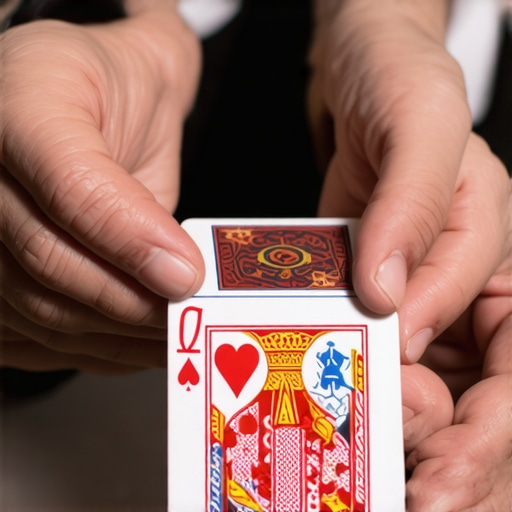




I really appreciate this post’s focus on authenticity and meaningful engagement through magic at trade shows. When I started, I too believed that flashy illusions alone would win trust, but I found that connecting with the audience on a personal level makes a huge difference. A trick that resonates, especially one tied to a local landmark or story, creates memorable moments that foster genuine trust. I’ve also found that having reliable equipment, like good gaffed cards, boosts confidence, which is palpable to the audience. I wonder, what are some simple yet effective tricks that have worked well for others in different trade show settings? Sharing these ideas can help those just starting out see that sometimes less is more, especially when performed with sincerity.
This post really hits on a key point that I’ve come to learn through my own experience: the importance of genuine interaction over just impressing with complex tricks. Early in my career, I believed that the more elaborate the illusion, the more trust I would build. But I found that audiences tend to respond best to authenticity and stories that resonate with their interests. I remember a time at a local event where I kept the tricks simple but incorporated a personal anecdote involving a local charity. That moment created a real connection, and I could see the trust in their eyes. It makes me wonder—how do others balance the right level of complexity in their magic while still maintaining a personal touch? Are there tricks you’ve found particularly effective for building immediate rapport that are simple but impactful?” ,