
Ever had that sinking feeling when a magic trick falls flat, and you realize your audience is more confused than amazed? I remember my first few trade shows vividly. I’d perform, hoping to captivate, but instead, I often felt like I was talking to a brick wall. The magic was good, but the audience’s trust? Not quite there. That lightbulb moment hit me hard: without trust, even the coolest sleight of hand is just tricks in the air. Since then, I’ve discovered that boosting audience confidence isn’t about flashy illusions alone — it’s about creating a genuine connection, and that’s where interactive magic shines.
Why Building Trust Matters at Trade Shows
Trade shows are bustling, noisy, and crowded. Standing out requires more than just good tricks; it demands trust. When attendees see a magician who engages them directly, who makes eye contact, and who seems genuine, their confidence in the performance—and in you—skyrockets. This trust transforms a simple act into a memorable experience, encouraging conversations and follow-ups. But how do you turn a group of strangers into believers, instantly? That’s the magic I want to share today.
Have You Faced This Problem?
Maybe you’ve felt the frustration of pouring effort into a magic act, only to see the audience disengage or doubt your sincerity. Or perhaps you’re skeptical yourself: can close-up magic really build trust fast enough to make your trade show stand out? I used to think so, but I made a crucial mistake early on. I believed that a flashy trick was enough. It’s not. Trust comes from a combination of skill, timing, and genuine interaction. To avoid the pitfalls I fell into, I started exploring specific techniques that create instant rapport and credibility. Want to learn how to do that? I’ve got some proven strategies that can transform your approach.
For more insights, I recommend checking out this article on building trust through interactive magic. It’s packed with practical tips that I personally tested and refined over the years.
So, if you’re tired of feeling invisible at trade shows, or worried that your magic isn’t enough to seal the deal, you’re in the right place. Let’s dive into the core techniques that turn simple sleight of hand into powerful trust-building tools. Ready? Here’s where the real magic begins.
Start with Engaging Your Audience
When I first tried to perform close-up magic at a trade show, I made the mistake of jumping straight into a trick. Instead, I took a moment to introduce myself and ask a simple question related to the audience’s interests. This broke the ice and made them feel involved right away. To do this effectively, use open-ended questions or relatable comments that invite participation. Remember, the goal is to turn strangers into allies before the magic even begins.
Use Interactive Techniques to Create Instant Rapport
One of my go-to methods is the ‘trust handshake’ illusion, where I perform a quick sleight of hand that seems to reach through the audience’s hand. This creates a tangible sense of connection and trust. The secret is to combine simple sleights with engaging storytelling. For example, I once performed a coin vanish that I explained was a ‘trust test’ — if I could make the coin disappear reliably, they could trust my words too. This approach not only entertains but also demonstrates competence, which instantly boosts credibility. For detailed strategies on this, check out this resource.
Master Sleight of Hand for Impact
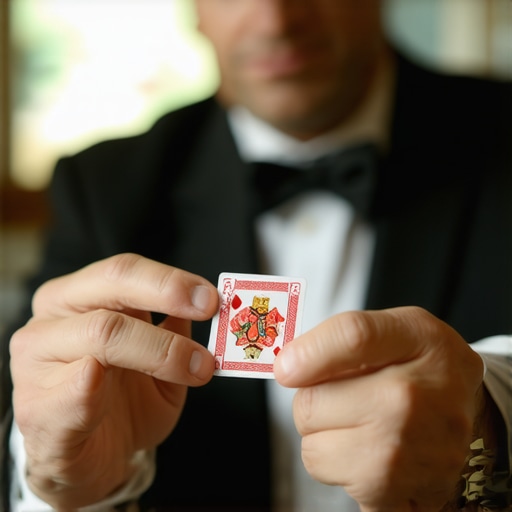
Effective sleight of hand is the backbone of building trust quickly. I recommend practicing techniques that look natural and are executed smoothly. Focus on misdirection and timing — a well-timed move can be more impressive than complex tricks. I once practiced a false transfer of a card, making it seem as if I was handing it to a spectator, but I kept it hidden. When performed confidently, this creates a sense of mastery that audiences respect. To refine your skills, explore these tips.
Implement Rapid Trust-Building Moves
Speed matters. I found that quick, impactful tricks that involve the spectator directly help establish trust fast. For example, I use a routine where the spectator’s own card magically appears in my pocket — they see it happen, and immediately believe in my honesty. The key is to keep the pace brisk and the interactions personal. The more the audience feels involved, the faster trust solidifies. For proven quick-impact techniques, review this guide.
Refine Your Approach with Practice and Feedback
Nothing replaces consistent practice. I regularly record my performances, analyze my timing, and seek feedback from fellow magicians. Small adjustments — like improving your eye contact or simplifying your sleights — can make a big difference in how trustworthy you appear. Remember, confidence is contagious. When you perform with assurance, your audience will naturally trust your magic. For advanced techniques, consider studying these methods.
In summary, building trust at trade shows is about more than just the tricks — it’s about creating genuine connections through strategic interaction, confident execution, and rapid engagement. Practice these core techniques, and watch your audience’s confidence grow—turning fleeting moments into lasting impressions.
Many performers and marketers assume that the secret to a successful trade show magic act lies solely in mastering complex sleight of hand or flashy illusions. However, this oversimplification is a common myth that can actually hinder your success. In reality, most people underestimate the importance of nuanced interaction, audience psychology, and trust-building strategies that go beyond just technical skill. For instance, relying heavily on intricate tricks without establishing genuine rapport often leads to fleeting engagement rather than lasting trust. To truly excel, you need to understand that the power of close-up magic at trade shows is rooted in creating authentic connections, not just impressive sleights. Check out this guide for advanced tips on building trust through sleight of hand.
Another misconception is that interactive magic automatically guarantees audience buy-in. While interaction is crucial, the manner in which you engage matters immensely. Many performers fall into the trap of being overly rehearsed or predictable, which can make their interactions seem insincere. Instead, effective trade show magic involves spontaneous, personalized responses that demonstrate genuine interest in your audience. This subtle nuance often separates memorable performances from forgettable ones. For advanced performers, mastering interactive trust-building techniques can make a significant difference.
How Can You Avoid These Common Pitfalls?
The key is to focus on the psychological aspects of magic, such as perception, expectation, and emotional resonance. A frequent trap is to overemphasize the technical aspect of sleight of hand while neglecting the storytelling and emotional cues that foster trust. This often results in a performance that, while technically impressive, fails to connect on a deeper level. Remember, audiences at trade shows are looking for authenticity, not just tricks. Incorporating subtle psychological techniques, like mirroring your audience’s gestures or using humor strategically, can dramatically improve your rapport. Experts like Dr. Richard Wiseman have studied these effects extensively, emphasizing that trust in magic is built on perceived sincerity and emotional engagement, not just skill. For more insights, explore this article.
Furthermore, many performers overlook the importance of consistent practice aimed at refining not only their sleight of hand but also their ability to read an audience’s mood and adapt dynamically. Failing to do so can cause performances to feel rigid and impersonal. To avoid this, I recommend practicing with real audience feedback and analyzing your interactions critically. This layered approach ensures that your magic is not just technically sound but also emotionally resonant, fostering trust and engagement. Remember, the goal is to make your audience feel seen and valued, which ultimately boosts their confidence in your magic and your brand. For advanced techniques on this, see these expert strategies.
In conclusion, the most common mistake is underestimating the power of genuine connection and overestimating the value of flashy tricks alone. Mastering the nuances of audience psychology, storytelling, and adaptive interaction is vital for building trust that lasts beyond the trade show floor. Have you ever fallen into this trap? Let me know in the comments.
Maintaining your magic act’s effectiveness over time is essential for consistent trust-building and audience engagement at trade shows. I’ve found that investing in the right tools and adopting disciplined routines can make all the difference in preserving the quality and impact of your performances. From specialized equipment to strategic practice methods, the secret lies in continuous refinement and smart management.
How do I keep my trade show magic performing at its best?
First, always prioritize **high-quality, durable props**. I personally rely on custom-made sleight of hand tools from trusted suppliers like Ellusionist or Penguin Magic because their equipment is built to withstand frequent use without losing precision. For example, my favorite set of gimmicked coins and cards are crafted with thin, flexible materials that resist wear and tear, ensuring my routines stay smooth and convincing over hundreds of performances.
Second, embrace **video recording and analysis**. I record every performance, then review the footage to identify subtle issues in timing or delivery. This helps me spot small mistakes that can erode trust over time. I also share these videos with trusted colleagues for feedback, which often reveals insights I might miss on my own. This iterative process keeps my act sharp and consistent, especially for complex routines involving advanced sleight of hand.
Third, leverage **software tools for mental organization and practice**. I use apps like Evernote to organize my routines, scripts, and troubleshooting notes, so I can easily adapt and refine my act. Additionally, I use practice apps like Magic Practice or Sleight of Hand Mastery to drill specific moves daily, ensuring muscle memory stays intact. These tools help me maintain a high level of confidence and fluidity, which audiences subconsciously interpret as trustworthiness.
Looking ahead, the trend in trade show magic is moving toward **integrating technology with traditional sleight of hand**. Augmented reality (AR) and virtual props are beginning to complement live performances, creating hybrid experiences that captivate audiences even more. Staying ahead involves experimenting with these innovations while preserving your core skills. For example, using AR glasses to project virtual objects can enhance your routines without replacing the personal touch, provided you keep your manual skills sharp.
What about long-term storage and transport?
Invest in **custom cases and protective gear**. I recommend hard-shell cases with foam inserts tailored to your props, preventing damage during transit. Regularly check your equipment for signs of wear or damage, and replace or repair items promptly. This proactive maintenance ensures your props perform reliably, reinforcing trust with your audience every time.
Finally, dedicate time to **ongoing training**. Even after years of performing, I schedule weekly sessions to practice foundational sleights and new routines. This habit keeps my skills fresh and adaptable, which is crucial for responding to spontaneous audience reactions and maintaining credibility. For more advanced techniques on this, explore these tips.
In conclusion, keeping your magic act consistently effective involves a combination of high-quality equipment, disciplined practice, strategic use of technology, and proactive maintenance. Implementing these practices will help you sustain audience trust and ensure your trade show performances remain impactful. Remember, the key is to treat your magic tools as an investment—regularly update, refine, and protect them to keep the magic alive and trustworthy. Now, I challenge you to try one of these advanced maintenance tips today and watch your performance elevate to new heights.
Over the years, I’ve realized that the greatest lessons in trade show magic aren’t about perfect sleight of hand or flashy illusions. Instead, they’re about the subtle, often overlooked art of building genuine trust with your audience. One lightbulb moment for me was understanding that even the most complex tricks can fall flat if your audience doesn’t believe in you. The real magic happens when you turn a simple gesture or a quick routine into a moment of authentic connection. This insight transformed my approach, making every performance more impactful and memorable.
What I Wish I Knew When I Started
- Trust is earned in seconds: A confident, genuine interaction creates trust faster than any trick. It’s about showing you care, not just impress.
- Storytelling beats complexity: Simple stories around your tricks resonate more deeply than intricate routines that feel impersonal.
- Body language is your secret weapon: Open gestures and eye contact communicate sincerity and invite trust.
Tools That Truly Make a Difference
- Trusted props from reputable suppliers: High-quality, durable equipment from sources like Ellusionist or Penguin Magic ensures your routines stay smooth and convincing.
- Video analysis for growth: Recording your performances and reviewing them reveals subtle habits and areas for improvement, keeping your act sharp.
- Practice apps for muscle memory: Tools like Sleight of Hand Mastery help maintain consistent, confident execution of routines.
- Innovative tech integration: Exploring AR and virtual props can elevate your act, but always keep your manual skills at the core.
What I’m Excited to Try Next
My journey is ongoing, and I believe the future of trade show magic lies in blending traditional skills with new technology. I plan to experiment with augmented reality glasses to create immersive routines that captivate and connect on a deeper level. The key is continuous learning and adaptation—staying curious about what’s possible while honing what works. If you’re ready to elevate your trade show performances, start by refining your trust-building techniques and embracing innovation.
Are You Ready to Make Your Magic Unforgettable?
Trust isn’t just a nice-to-have; it’s the foundation of lasting impact. I challenge you to reflect on your current approach—are you focusing enough on genuine connection? What small change can you make today to boost your audience’s trust and confidence? Let me know below!





This post really hits home for me. I remember my early days performing at trade shows, and I often underestimated the power of genuine interaction. Like the article mentions, jumping straight into a trick without building rapport often resulted in disengaged audiences. I started focusing more on establishing trust through eye contact and storytelling, which made a big difference. I’ve also found that incorporating humor tailored to the audience instantly breaks down barriers and creates a more relaxed environment. Has anyone experimented with using humor or personal stories to strengthen audience rapport? I’d love to hear how that worked for others or if there are other quick trust-building techniques that have proven effective in busy trade show settings.
Building trust quickly, especially in the chaotic environment of a trade show, is definitely one of the biggest challenges many performers face. I’ve found that initial engagement—like asking an open-ended question or making a relatable comment—really sets a positive tone. It’s interesting how a simple eye contact or a genuine smile can make an audience feel more connected, even before performing a trick. I agree with the post about the importance of storytelling and body language; they’re often overlooked but can dramatically enhance credibility. One thing I’ve experimented with is involving the audience in a trick right away, which not only boosts trust but also makes the performance more memorable. Have others tried integrating brief personal anecdotes into their routines? Do you think that makes the magic seem more authentic or does it sometimes distract from the illusion? Would love to hear your thoughts or experiences on this—particularly how you manage to balance storytelling with engaging magic in a busy environment.
This post makes some excellent points about trust and engagement. I’ve found that incorporating a quick, relatable story before starting a routine can really set the tone and make the audience more receptive. For example, sharing a humorous or personal moment related to the trick adds authenticity and relaxes the atmosphere, which is crucial in the noisy setting of a trade show. I also agree that body language and eye contact can be game-changers—they communicate sincerity without needing words. One thing I’m curious about is how others manage to keep their routines fresh while maintaining genuine interaction, especially during back-to-back performances. Do you have any strategies for avoiding a rehearsed feeling and staying truly present with your audience? I’d love to hear your methods or any surprises you’ve encountered when trying to build instant rapport on busy days.
Reading through this post really made me reflect on how powerful genuine engagement can be in a crowded setting like a trade show. I’ve found that the smallest gestures—like a hearty smile or a simple question—can break the ice and establish trust faster than any elaborate trick. One thing I also do is use humor tailored to the audience’s mood, which not only relaxes everyone but also creates a memorable moment that people talk about afterward. In your experience, what’s been the most unexpected reaction you’ve received after initiating a conversation first, before performing your magic? I’ve noticed that when performers stay authentic and adaptable in their interactions, the audience perceives them as more credible, which allows the magic to truly shine. Would love to hear other’s tips on balancing impromptu interaction with routine flow!