
I’ll never forget the first time I stepped into a bustling trade show and tried to connect with potential clients through my magic tricks. I had a handful of impressive illusions, but I quickly realized that most of my audience was politely watching without genuine engagement. The magic was good, but trust—real, authentic trust—was missing. It felt like shouting into a void. That lightbulb moment made me ask: how can I turn mere spectators into trusting allies in just a few moments?
The Power of Close-Up Magic for Building Trust at Trade Shows
Trade shows are a battleground for attention. Hundreds of booths vying for the same foot traffic. In this chaos, effective close-up magic isn’t just entertainment—it’s a strategic tool to foster connection and trust quickly. When I started integrating sleight of hand that genuinely amazed and involved my audience, everything changed. Suddenly, I wasn’t just another vendor; I became memorable, and more importantly, trustworthy.
But here’s the catch: not every magic trick builds trust. Some backfire, create skepticism, or worse, disinterest. That’s why mastering the right techniques matters. As I learned through trial and error—and I’ve scouted many successful professionals like those at Fast Magicians—the secret lies in using sleight of hand that’s not only impressive but also authentic and relatable.
Early on, I made the mistake of relying solely on flashy illusions without engaging my audience in a way that felt genuine. Trust is often built in small moments—like making someone feel special during a trick, not just witnessing a spectacle. True trust-building magic is interactive and tailored to the moment. For more insights on this, my recommendation is to explore strategies at Mastering Sleight of Hand for Trust.
So, if you’ve ever faced the frustration of being seen as just another vendor or worried your magic isn’t creating real connections, know that there are proven methods to flip the script. And that’s exactly where we’re headed next—a practical guide to performing close-up magic that fosters instant trust and meaningful engagement. Are you ready to transform your trade show interactions?
Start with intentional audience engagement
Before performing, approach your target audience confidently, making eye contact and smiling genuinely. Think of this as the handshake of magic—setting a friendly tone that invites trust. For example, I once approached a group hesitantly at a trade show, but by initiating with a warm greeting and a quick, relatable joke, I broke the ice. This initial connection paved the way for a more impactful trick.
Choose your tricks strategically
Select illusions that are simple yet astonishing—think of them as your trusted tools for quick wins. Focus on tricks that involve a participant directly, making them feel special. For instance, I practiced a coin vanish that I could perform casually, which immediately drew attention and curiosity. Use resources like this guide to identify top sleight-of-hand techniques perfect for building trust.
Master seamless sleight of hand
Fluidity in your movements signals confidence and honesty. Practice your sleights until they’re so natural that they feel like gestures rather than tricks. This is akin to a musician mastering scales—small details that make a big difference. I dedicated extra sessions to perfect my Palm and false shuffle, which reduced suspicion and increased audience engagement. Improved mastery here is discussed in detail at this resource.
Interactive narration creates connection
Turn your routine into a story that involves the spectator. For example, I once told a humorous tale about a lost coin that only I could find—this drew laughter and fostered rapport. Think of your narration as the bridge that links your skills to your audience’s emotions. The key is to speak clearly and confidently, prompting reactions that reinforce trust.
Read and adapt to your audience
Observe body language and facial expressions to gauge engagement. If a participant seems skeptical, adjust your approach—perhaps by involving them more or switching to a different trick. For instance, I noticed a skeptical attendee leaning back, so I changed to a more interactive effect, which turned their skepticism into amazement. This dynamic adaptation is crucial; learn more about reading cues at this detailed guide.
Create memorable moments with personal touches
Personalize your interactions—remember participants’ names or past comments if possible. In one instance, recalling a participant’s hobby during the routine led to a shared laugh, cementing trust. These small gestures demonstrate genuine interest and sincerity, making your magic not just impressive, but memorable.
Close with a rapport reinforcement
End your performance by thanking your audience and inviting questions or comments. Follow up with a friendly handshake or business card exchange. This final step turns a fleeting moment into a lasting impression, strengthening the trust you’ve built through your act.
Many performers assume that mastering flashy illusions alone guarantees trust and engagement in trade show environments, but this is a significant misconception. In my experience, the real nuance lies in understanding that not all sleight-of-hand tricks are created equal when it comes to building genuine connection. A prevalent myth is that complex, fast-paced manipulations impress audiences while simultaneously fostering trust—that’s overly simplistic. Instead, subtlety and authenticity play critical roles, and overcomplicating routines can even alienate potential clients. According to expert magician David Regal, true impact stems from “creating a shared experience that feels natural”—a principle often overlooked by those chasing spectacle over sincerity.
Another common trap is underestimating the importance of audience reading skills. Many believe that performing the same routine universally works everywhere, but in reality, adapting your performance based on real-time cues is essential to avoid disconnects and skepticism. For example, if an attendee displays cues of doubt, a skilled magician will pivot seamlessly, altering their approach rather than sticking rigidly to a canned act. This adaptability is where many stumble, but it’s vital for trust-building. More on this can be found at this resource.
How does mastery of psychological subtlety enhance trust?
Advanced magicians recognize that trust isn’t solely about the tricks but also the performer’s psychological presence. Elements like timing, verbal cues, and reading subtle body language cues contribute to a performer’s perceived honesty. Studies in non-verbal communication suggest that our brain interprets genuine gestures as trustworthy, an insight that many overlook when designing their routines. Incorporating these nuances can greatly elevate your effectiveness. For deeper insights, consider exploring this advanced guide.
Beware of the mistake of relying too heavily on well-practiced routines without engaging emotionally. Authentic connection often hinges on conveying sincerity through your demeanor and storytelling. Avoid the trap of turning your act into a mere series of tricks—infuse it with personal touches and genuine enthusiasm, which has been shown to increase audience trust significantly. Remember, the goal is to make your audience feel uniquely appreciated, not like just another set of eyes in a sea of vendors.
By understanding these misconceptions and nuanced elements, you’ll be better equipped to craft close-up magic performances that genuinely resonate. If you want to elevate your skills further, check out this comprehensive resource on mastering sleight-of-hand that boosts trust and engagement during trade shows.
Have you ever fallen into this trap? Let me know in the comments and share your experiences! Remember, the key to impactful magic isn’t just in the tricks, but in how you connect with your audience at a deeper level.
How do I keep my magic setup reliable over time?
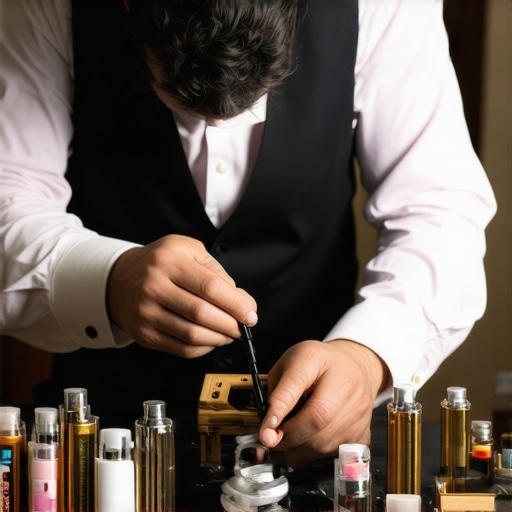
One of the most overlooked aspects of sustained success in close-up magic and sleight of hand is equipment maintenance. Investing in good tools is just the beginning; regular upkeep ensures your performances remain seamless and trustworthy. I personally rely on a few specific techniques and tools to keep my routine sharp and my equipment in top shape.
Invest in quality tools and perform regular tune-ups
First, choose durable, high-quality props—such as precision-made coins, cards, or gimmicks—that can withstand the rigors of frequent handling. I prefer brands like Ellusionist for playing cards and Mike Gallo for covert gimmicks. Regularly inspect and clean these items using appropriate solutions—like alcohol wipes for cards or specialized silicone spray for mechanical gimmicks—to prevent wear and maintain smooth operation. This attention to detail is discussed in depth on this resource.
Use software to refine your routine
Complementing physical tools, digital aid can help you analyze and improve your sleight of hand. I use video recording apps like Filmic Pro to capture my performances from different angles, then review footage for subtle movements or hesitations. Fine-tuning your technique with these insights ensures flawless execution during live shows, which, in turn, reinforces trust with your audience. Anticipate future trends by exploring innovative apps that leverage AI to analyze hand movements, as predicted by industry insiders.
Build a maintenance habit
Consistency is key. Setting a weekly routine to clean, inspect, and practice with your tools helps identify issues early. For example, I schedule 30 minutes every Sunday to go through my props and perform dry runs. This not only preserves my equipment but also boosts my confidence, making each performance more authentic and trust-inspiring. When combined with continuous practice, these habits create a resilient foundation for reliable magic.
What about scaling your setup for larger shows?
As your reputation grows, so does your toolkit. Transitioning from small trick props to more elaborate illusions requires scalable organization. Use modular cases and label each component for quick access, reducing setup time. Additionally, consider investing in portable, rugged cases with foam inserts tailored for your gear—these protections prevent damage on the go and keep your tools performing at their best for years to come. Industry experts emphasize that a well-organized toolkit directly correlates with show quality and audience trust.
Looking ahead, I believe the trend is moving towards integrated digital routines combined with traditional sleight of hand. AI tutorials and virtual coaching platforms are becoming more prevalent, enabling magicians to refine their craft faster than ever. For further deep dives, I recommend exploring this comprehensive guide.
If you haven’t already, try implementing a dedicated prop maintenance schedule today. It’s a simple step that can dramatically improve your show quality and audience trust in the long run. Remember, the durability of your tools directly impacts your credibility—keep them in top condition for every performance.
} }
}
Throughout my journey in mastering close-up magic for trade shows, one lesson stands out above all: the art of sincere connection can make or break your success. I’ve learned that relying solely on impressive illusions won’t earn you lasting trust. Instead, it’s the subtleties—like genuine engagement and psychological awareness—that truly resonate with your audience. These revelations have transformed my approach and can do the same for you.
One of the most impactful lessons was realizing that overcomplicating routines often alienates potential clients. Less is more—an elegant, authentic trick can create more trust than a flashy, hurried display. This insight pushed me to focus on clarity, connection, and relatability, which fostered deeper trust and memorable experiences. For a deeper dive into these techniques, check out this resource.
Another lesson I struggled with early on was the importance of reading my audience. Recognizing skepticism and adjusting my performance in real-time allowed me to turn doubts into amazement. It’s a skill that develops through attentive observation and flexibility—traits that can be cultivated with practice. More on perfecting this craft is available at this guide.
Finally, the most profound insight was understanding that trust isn’t just about the tricks—it’s about your presence. Your timing, storytelling, and sincerity set the tone. Incorporating these elements elevates your credibility and makes your magic resonate on a deeper level. Remember, genuine enthusiasm and personalized interactions leave lasting impressions, turning fleeting moments into enduring relationships.
Unspoken Lessons That Changed My Approach
- Less is more when it comes to illusions: Simplify your routines to emphasize authenticity and relatability. Overly complex tricks can create suspicion instead of trust.
- Read your crowd like a book: Pay close attention to body language and facial cues. Use this insight to adapt your performance seamlessly and keep engagement high.
- Storytelling amplifies your impact: Weave narratives around your tricks to create emotional connections that solidify trust.
- Genuine gestures matter: Small acts like a warm smile or personalized acknowledgment make your audience feel valued and trusted.
- Consistency builds confidence: Regularly reviewing and maintaining your tools ensure flawless performances that reinforce your credibility.
My Essential Tools for Building Trust Through Magic
- Quality props: Investing in durable, precision-made items like Ellusionist cards and reputable gimmicks reduces mishaps and maintains professionalism.
- Video analysis apps: Recording and reviewing your routines with tools like Filmic Pro helps identify subtle movements and improve fluidity, boosting audience trust.
- Digital tutorials and guides: Resources such as this comprehensive guide have expanded my understanding of psychological subtleties and technical mastery.
- Routine checklists: Creating pre-performance checklists ensures each element is in top condition, reducing errors and enhancing credibility.
Step Into Your Next Level of Confidence
The magic of building trust at trade shows lies within your ability to connect authentically and adapt dynamically. Embrace these lessons, refine your craft continuously, and watch how your audience’s perception transforms—from wary observers to trusting allies. The future of close-up magic in trade shows is bright for those willing to evolve beyond the tricks and focus on creating genuine connections. Your journey to trust begins now—are you ready to elevate your interactive show to new heights?
What has been your biggest challenge in making your magic feel authentic during trade shows? Share your story below—I’d love to hear about your experiences and insights!
,





This article really resonated with me, especially the emphasis on genuine interaction over flashy illusions. I’ve found that when I focus on making each person feel seen and appreciated—whether by remembering their name or engaging in a quick personal chat—the magic feels much more authentic and trust-building. I once had a skeptical client who initially kept her distance, but after I casually asked about her hobby and incorporated that into a small trick, she was completely engaged and even recommended my booth to her colleagues. It’s clear that reading body language and emotional cues is essential; I’ve started using a simple app to record my routines and review my gestures afterward to improve my naturalness. Have others found digital tools helpful in refining their presence and confidence? I’d love to hear about additional techniques that help make the magic feel more sincere and less scripted.
This post really hits the nail on the head about the importance of authenticity in building trust through magic at trade shows. I’ve personally experienced that overly flashy routines can sometimes overshadow the genuine connection I want to establish. Once I shifted my focus to simpler, more engaging tricks—especially involving direct participation—I noticed a dramatic increase in positive reactions and trust. The storytelling aspect also makes a big difference; sharing little personal anecdotes or humor helps loosen the audience and creates a memorable experience.
I agree that reading body language and adjusting on the fly is crucial. But I wonder, how do others handle moments when a spectator appears skeptical despite your best efforts? Do you have tips for regaining their trust quickly? Also, with technology becoming more accessible, have you tried using apps or wearable devices to analyze your performance effectiveness? I’d love to hear different approaches that have helped others elevate their trust-building skills.