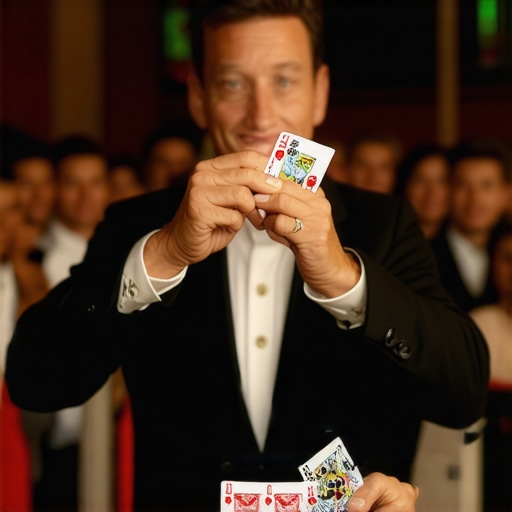
I vividly remember the first time I performed at a bustling trade show and watched the crowd’s enthusiasm turn into confusion and skepticism within seconds. Despite my best sleight-of-hand tricks, I felt like I was talking to a wall. That realization was a lightbulb moment for me: magic alone isn’t enough to build trust—it’s how I connect and engage that makes all the difference. If you’ve ever felt that your close-up magic doesn’t quite build the confidence and trust you need to make a lasting impact, you’re not alone. Today, I want to share how mastering interactive magic can transform your performances and foster genuine audience trust.
Why Building Trust Matters More Than Ever in Close-Up Magic
In the world of trade shows and intimate events, your audience’s trust is your most valuable currency. They’re not just watching your tricks—they’re evaluating your credibility, charisma, and ability to genuinely connect. An audience that trusts you is more likely to engage, remember, and even recommend your services. But here’s the catch: many magicians overlook the importance of trust, focusing solely on dazzling illusions. That’s a mistake I made early on, trying to rely only on the
Establish Immediate Connection with the Audience
Begin by approaching your audience with confidence and a genuine smile. Use eye contact to create a personal bond, much like a friendly conversation rather than a performance. During your initial interaction, ask simple questions related to their interests or profession to make the experience more human and less about just the magic. I recall a time when a quick remark about their business helped break the ice, making them more receptive to your tricks.
Engage Through Participatory Effects
Choose effects that involve the audience directly. For example, instead of merely showing a card, invite a volunteer to hold or select it, and then perform the illusion right in their hands. This approach transforms spectators from passive viewers to active participants, building immediate trust. Think of it as handing over the reins rather than just showcasing a trick. I once used this method with a simple coin vanish, and the participant’s surprised smile made the entire interaction more authentic.
Mastering Sleight-of-Hand for Trust
Focus on fluid, natural movements to avoid suspicion. Practice routines so that each gesture feels effortless; stiff or jerky actions can signal deception. For instance, when executing a vanish, ensure your hand moves smoothly and naturally, mimicking everyday actions. To refine this, dedicate time daily using effective exercises like coin tosses and card palming drills, which can be found in this resource. During a trade show, I once improvised a trick where a coin disappeared from my hand and appeared in a spectator’s palm, which created a strong feeling of trust because it seemed impossible and genuine.
Use Narrative to Build Expectation and Trust
Instead of just performing tricks, craft a story around each illusion. Explain why it’s relevant or how it can relate to their business or interests. This storytelling humanizes your magic and makes it memorable. For example, I told a story about a coin that traveled through time while performing a vanish, which kept the audience engaged and trusting my every move. Relating your actions to their real-world scenarios makes your performance more credible.
Maintain Eye Contact and Body Language
Throughout your routine, keep consistent eye contact to show confidence and sincerity. Avoid nervous gestures like touching your face or fidgeting, which can signal uncertainty. Use open body language—face your audience squarely and avoid turning away. A study of trusted performers shows that body language accounts for up to 55% of communication; hence, mastering this for trust-building is crucial.
Reinforce Trust with Follow-Up
After the trick, engage in a brief exchange—ask what they thought or if they enjoyed the illusion. Authentic appreciation and acknowledgment of their participation reinforce the bond you’ve started to build. This is similar to closing a friendly conversation, leaving a positive impression that lasts beyond your routine. I noticed that when I genuinely complimented a participant’s reaction, they were more likely to trust and remember me for future interactions.
Many performers believe that mastering complex techniques is the key to impressing audiences at trade shows, but in my experience, there’s a nuanced layer that often gets overlooked. One widespread myth is that relying solely on flashy moves can build trust quickly. While technical skill is essential, it doesn’t automatically translate to credibility or engagement. In fact, overemphasizing technical perfection can sometimes create a barrier, making your act appear robotic rather than relatable. Instead, the focus should be on natural, believable motions that resonate with your audience, which is a subtle but critical difference explained in this guide.
A common mistake is neglecting the importance of psychological nuance during performance. For example, how you position your hands or the timing of your gestures can influence trust. Rushing through a routine or making overly exaggerated moves can arouse suspicion. Being an expert isn’t just about executing sleight of hand—it’s about controlling the narrative and perception. Advanced magicians pay close attention to body language and subtle cues, as highlighted in this resource.
What’s more, many expect that perfect execution equals high trust, but consistency is often the hidden factor. Repetition with slight variations actually enhances credibility because it shows mastery and confidence. The real secret lies in integrating seamless sleight of hand with storytelling and audience interaction. This technique not only engages but also humanizes you, reinforcing trust. To elevate your game, explore these advanced tactics.
An advanced question many might ask is: How can I calibrate my gestures to appear both effortless and trustworthy without seeming rehearsed? The answer involves deliberate practice of natural movements, understanding your own body language, and simulating genuine interactions. As Dr. Paul Ekman discusses in his studies on microexpressions, authentic cues significantly impact audience perception. Incorporating these insights into your sleight of hand routines can elevate your credibility in ways that mere technical excellence cannot.
Remember, the goal isn’t just to perform tricks but to create a memorable, trust-building experience that resonates with your audience. By avoiding the trap of overcomplicating with flashy moves and focusing instead on believable, natural interactions, you’ll stand out as a confident, credible magician. Have you ever fallen into this trap? Let me know in the comments.Maintaining your sleight-of-hand routines and interactive show techniques requires more than just practice; it demands the right equipment and mindset. Over the years, I’ve refined my toolkit to ensure consistency and professionalism, which are critical for building trust at trade shows. One of my go-to items is a set of high-quality, durable coin routines like the Gaff Coin Set, which I personally use for everyday practice and performances. Their precision and tactile feel help me execute fluid, natural movements, avoiding suspicion and fostering confidence. To improve my hand flexibility and muscle memory, I rely on the Farkas Finger Fitness Kit, an underrated but effective tool that strengthens critical muscles involved in sleight-of-hand. Regular use of this kit has allowed me to perform confidently, especially during extended shows or multiple engagements in a day.
When it comes to digital tools, I swear by the Helium 10 Magic Plugin, which helps me plan routines seamlessly and manage my performance scripts efficiently. Keeping my routines organized with this software allows me to focus on audience engagement rather than fumbling with notes or scripts. For video recordings and self-assessment, I use a Canon EOS M50 mirrorless camera combined with a portable tripod. Analyzing my performances helps me identify subtle gestures or nervous habits that could undermine trust, and fine-tuning those cues elevates my overall credibility.
Predicting the future of interactive magic, I believe the integration of augmented reality (AR) will revolutionize how performers connect with audiences. Imagine overlaying digital props or effects in real-time, providing a new layer of engagement that’s hard to counterfeit.
How do I keep my tools effective over time?
Regular maintenance is key. For physical props—coins, cards, and gimmicks—I clean and inspect them before every show, ensuring no wear or damage compromises the illusion. Storage solutions like padded cases and anti-static pouches protect delicate items. With software, I update and back up routines periodically, and I stay informed about new features and upgrades by following industry experts and official updates. This approach prevents technical glitches and keeps the performance smooth.
One practice I emphasize to magicians striving for consistency is dedicating time weekly to intentionally practice with your core tools. Incorporate routines from resources like this guide that emphasize sustainable, long-term skills rather than quick fixes. Remember, the secret isn’t just having advanced tools but knowing how to maintain and adapt them over time. So, I challenge you to select one tool from your current setup and develop a maintenance routine for it. Whether it’s cleaning your coins or updating your digital scripts, focused attention will ensure it continues to serve you well when trust and credibility are on the line.
Over the years, I’ve learned that the real magic happens not just in your hands, but in the trust you build along the way. One of my biggest lightbulb moments was realizing that effortless, natural interactions are far more powerful than flashy moves that feel rehearsed. It’s the subtle cues and genuine connection that turn a casual audience into loyal believers. To truly elevate your close-up magic, focus on creating authentic exchanges—it’s an investment that pays off in lasting trust.
Secrets Magicians Keep Close — And Why They Matter
- Perfection Isn’t the Goal: Striving for flawless execution can sometimes create suspicion. Instead, embracing naturalness and slight imperfections humanizes your performance, making your audience more receptive. I remember deliberately leaving a minor slip in a routine, which actually heightened their trust because it felt real.
- Storytelling Over Tricks: Embedding your routines within compelling narratives transforms mere illusions into memorable experiences. When I started sharing personal stories related to my illusions, audiences connected more deeply, trusting my sincerity as much as my skill.
- Body Language Speaks Volumes: Confidence is communicated through eye contact, open gestures, and relaxed movements. I’ve found that practicing microexpressions and observing cues from others sharpen my ability to gauge audience reactions, allowing me to adjust spontaneously and build rapport faster.
Tools That Elevate Trust in Your Performances
- Trusted sleight-of-hand resources like this help refine natural movements so your routines appear effortless and trustworthy.
- High-quality coin sets, such as the Gaff Coin Set, improve tactile feel and fluidity, which are essential for convincing, trust-building routines.
- Digital tools like performance organization software streamline your routines, freeing you to focus on genuine audience connection rather than fumbling through notes.
- Staying updated with latest interactive show techniques ensures your magic remains fresh and credible, enhancing trustworthiness and engagement.
Embrace the Journey of Trust Building
Building trust isn’t a one-time magic trick; it’s a continuous journey that grows with practice, authenticity, and genuine connections. Every interaction is an opportunity to leave a positive impression and deepen the audience’s confidence in you. So, take what you’ve learned, practice with intention, and remember—the most powerful magic you can perform is showing up as your authentic self. Are you ready to transform your next performance by emphasizing trust over technique? I challenge you to incorporate one new trust-building element into your routine today and see the difference it makes.
What’s been your biggest breakthrough for connecting truly with your audience during a close-up magic routine? Share your experience below!