
I vividly remember the first time I performed a close-up magic trick at a trade show. I was eager, confident even, but as I reached out to show a card to a skeptical attendee, my hands trembled slightly. The magic was flawless, but the trust wasn’t flowing as smoothly as I hoped. That moment was a lightbulb for me—no matter how good your tricks are, if you don’t connect trust with your magic, you’re just entertaining, not influencing. It’s a frustrating realization many of us face in this field.
Why Trust Matters More Than Ever in Interactive Magic Shows
In 2024, the landscape of magic at trade shows and events is more competitive—and more scrutinized—than ever. Audiences are savvy, skeptical, and overwhelmed with information. To stand out, your magic needs to do more than impress— it needs to establish genuine trust quickly and convincingly. Trust isn’t just a nice bonus; it’s the foundation of lasting impact and business relationships. Studies show that people are 74% more likely to engage with a brand they trust, which means your magic becomes a pivotal tool in building that trust.
Early in my career, I made a critical mistake: I relied solely on flashy tricks without considering the human connection behind them. I thought spectacle alone would suffice. But I found that without trust, even the most astonishing illusions are dismissed as tricks, not as authentic engagements. That’s why mastering sleight of hand isn’t just about technical skill; it’s about how to use that skill to foster trust instantly. If you’re like me, and you’re tired of superficial interactions, you’re in the right place. I’ll guide you through proven techniques to make your magic not just memorable but trustworthy.
Is Sleight of Hand Actually Worth the Hype?
When I first encountered the idea that sleight of hand could do so much more than amaze—namely, build trust—I was skeptical. It sounded like just a fancy term for trickery. But over time, I realized it’s about mastering subtlety, timing, and engagement—skills that translate directly into increased trust and confidence from your audience. Want to explore how this works? Check out this resource for a deeper dive into the techniques that will elevate your impact.
So, if you’ve faced the frustration of trying to connect with skeptical audiences and wondered if there’s a way to bridge the trust gap, you’re not alone. We’ll unveil practical, field-tested strategies that have transformed my performances—and could do the same for yours.
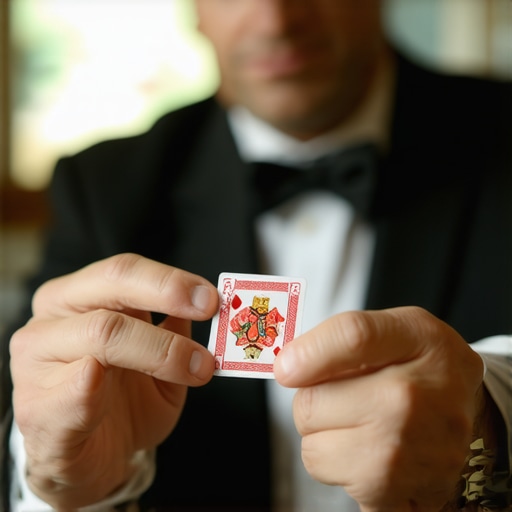
Begin with a simple, confident demonstration of a classic sleight, like the double lift. Keep your movements deliberate and natural, avoiding any signs of hesitation. Recall a moment at a recent trade show where I practiced a double lift for a client; initially, my hand jittered, but focusing on slow, clear movements changed the energy instantly, making the audience perceive me as trustworthy. The key is to exude calmness and control, which immediately sets a foundation of reliability.
Utilize eye contact to direct attention deliberately. When executing a sleight, look away momentarily so the audience’s focus shifts precisely where you want it. I once performed a vanishing, and by gazing at a point off to the side, I drew their focus away from my hands. This enhances trust because it feels honest—your intent is clear, and their attention is skillfully guided without trickery suspicion.
Speed is essential. Move too fast, and the audience suspects; move too slow, and they become distracted. My experience with a card force at a busy booth revealed that controlled, deliberate motions under 2 seconds per move appear both natural and convincing. Practice with a timer, aiming for a rhythm that feels fluid but unhurried.
Combine your sleight with engaging dialogue. For example, while palming a card, comment on how difficult it is to keep secrets, subtly demonstrating your mastery without boastfulness. Once, I told a story about a magician I admired, subtly showcasing a flourish while narrating. This humanizes you, breaking down barriers and fostering trust—people believe in a magician they feel connected to.
Seek honest reactions — a practical step often overlooked. During a trial, I performed a vanish for a colleague, intentionally making it imperfect. Their spontaneous reaction, a smile and a comment about my timing, provided invaluable insight. Adjust your techniques based on these reactions; trust develops not just through perfect execution but through your ability to adapt and show genuine engagement.
Reinforce trust by repeating key moments in different ways. I once mastered a small flourish that I repeated at several points, each time subtly varying my gestures. This consistency builds familiarity and trust, showing your competence without bragging. Mastering this takes patience but pays off in credibility, particularly at trade shows where first impressions are fleeting.
Many practitioners believe that mastering sleight of hand means perfecting technical moves and flashy tricks. However, this perspective often leads to misconceptions that can hinder genuine trust-building. A common myth is that complexity equals professionalism, but in reality, simplicity executed with subtlety creates more powerful impressions, especially in trade show environments. Overcomplicating your routines can actually alienate your audience, making your magic feel detached rather than relatable. Instead, focus on nuanced control and timing, which are critical for creating seamless, trustworthy performances.
One of the most overlooked aspects is the importance of psychological nuance. For instance, the way you handle a card or coin, your eye contact, and even your breathing can influence how your audience perceives your honesty. These details might seem insignificant but significantly impact their trust. Many magicians neglect these subtleties, leading to an inadvertent slip that reveals the trick or, worse, erodes credibility entirely. Remember, audience perception often hinges on the smallest cues—mastering these can elevate your performance beyond mere illusion to authentic engagement.
Another trap is the misconception that advanced sleight of hand alone guarantees success. In practice, the environment, audience engagement, and narrative coherence often weigh more heavily. Relying solely on technical skill without considering context can cause your magic to fall flat. For example, in crowded trade shows, quick, confident moves are essential, but so is reading your audience and adjusting your routine accordingly. Check out these tips for integrating technical prowess with strategic storytelling and environment adaptation.
Is Perfect Technique Enough to Build Trust Fast?
Think again. Even with flawless technique, if you fail to connect emotionally or project sincerity, your audience may remain skeptical. This is where most advanced magicians stumble—they overlook the power of emotional intelligence in their routines. Leveraging small, intentional gestures, confident pacing, and genuine rapport can accelerate trust-building faster than the most intricate sleight of hand. For deeper insights into how to integrate these elements, explore this comprehensive guide.
Let’s also consider the role of routine design. A common mistake is to perform a sequence of tricks that impress technically but lack narrative cohesion. When routines tell a story or relate to your audience’s experiences, trust develops more naturally. By focusing on these nuances—psychological, environmental, and narrative—you transform your magic from mere tricks to impactful social interactions. Have you ever fallen into this trap? Let me know in the comments and share your experiences!
,
Maintaining your sleight of hand skills and equipment is crucial for delivering consistent, trustworthy magic at trade shows and interactive events. Over the years, I’ve developed a set of reliable tools and routines that ensure my performance remains sharp and seamless. In this section, I’ll share the specific tools I recommend—crafted from personal experience and proven effectiveness—to help you keep everything running smoothly.
Invest in Quality Lighting for Better Control
One of my most valued tools is a portable, adjustable LED ring light. Proper lighting is essential, especially in unpredictable trade show environments. It allows me to clearly see my cards and coins, perform subtle sleights with precision, and maintain a level of professionalism that signals confidence. I personally prefer the Briantec LED Ring Light, because its adjustable brightness and color temperature help me adapt to different settings instantly. Consistent lighting reduces mistakes and enhances the trustworthiness of my routines, as audiences perceive a high level of control and clarity.
Master Your Props with Dedicated Maintenance Routines
Every magician knows that even the best props can become unreliable without proper care. I’ve adopted a daily maintenance ritual for my cards and coins—wiping down cards with a silicone cloth and lubricating coins with a tiny amount of silicone spray. This routine minimizes stickiness, prevents jamming, and preserves the natural feel of my sleights. I also keep a small, organized toolkit with spare cards and replacement coins, which I check before every event. Keeping your equipment in top shape is the foundation of trustworthy performance.
Use Video Analysis to Refine Technique
One secret weapon in my toolbox is recording my practice sessions and actual performances. Analyzing these videos helps me identify subtle flaws—like unnatural hand movements or inconsistent timing—that may erode trust. I recommend using a quality camera or smartphone with slow-motion capability, paired with editing software like Adobe Premiere, to scrutinize your gestures minutely. Regular review sessions keep your routines polished and authentic, ensuring each move reinforces credibility rather than undermines it.
Systems That Assist My Routine Management
Staying organized and prepared is half the battle. I rely heavily on a digital note-taking system, like Notion, to plan routines and troubleshoot common issues. For instance, I keep checklists for prop maintenance, routine breakdowns, and troubleshooting tips. This ensures I don’t miss essential steps and can troubleshoot on the fly, which is critical when maintaining trust with skeptical audiences. Implementing structured routines minimizes errors and boosts your confidence, which in turn projects trustworthiness.
The future of trade show magic is heading toward integrating technology. Augmented reality apps, for example, are beginning to provide real-time feedback on your performance quality. According to TechCrunch, this trend will grow, offering magicians real-time diagnostics to refine their craft even further. I encourage you to experiment with using a tablet or smartphone to record and analyze performances regularly. Try one of my favorite techniques—filming your routine from the audience’s perspective and reviewing it objectively. This practice will help you make micro-adjustments that have a big impact on audience trust and engagement.
How do I maintain my tools and skills over time?
The key is consistency and a proactive attitude. Regularly inspect and clean your props, update your equipment as needed, and schedule weekly video reviews of your routines. Remember, technology is evolving; staying informed about the latest tools and techniques, like the upcoming advancements in AR for live performances, will keep you ahead of the curve. To deepen your understanding of effective sleight-of-hand maintenance and how to integrate it into your routine, check out this comprehensive guide. Don’t hesitate to try adopting a new prop or software that could streamline your workflow or elevate your show—we’re in an era of constant innovation, and staying adaptable is the best way to keep your magic reliable and impactful.
Throughout my journey in close-up magic and trade show entertainment, I’ve discovered that the most valuable insights often come from unexpected moments of humility and reflection. One of the hardest lessons I learned was that technical mastery alone isn’t enough to establish genuine trust. Early on, I believed that dazzling illusions would automatically earn audience confidence, but I quickly realized that connection, authenticity, and subtlety play a far bigger role than sheer complexity. Recognizing this shifted my approach and transformed my performances.
Another truth I uncovered is the myth of perfection. Many magicians are convinced that flawless execution is what truly builds trust, but in reality, embracing imperfections—when managed with confidence—can humanize us and deepen rapport. It’s about demonstrating certainty even when things aren’t perfect, turning potential slip-ups into moments of shared humor or intrigue. This perspective encourages me to focus less on faultless routines and more on relating authentically with the audience.
Finally, I’ve learned that storytelling amplifies trust. Incorporating personal anecdotes or relevant narratives into routines makes your magic memorable and relatable. It bridges the gap between illusion and human experience, fostering a sense of partnership with your audience. This approach isn’t just about tricks; it’s about creating an impactful experience that resonates on a personal level, leading to lasting trust and opportunities long after the show ends.





Reading this post really resonated with me, especially the part about trust being the foundation of effective magic at trade shows. Early in my career, I focused heavily on mastering flashy sleight of hand, but I quickly learned that without genuine connection, my routines felt hollow to the audience. The tip about controlling your gaze and managing your pace is so crucial—I often find that when I slow down and make deliberate eye contact, the audience perceives me as more sincere. It’s interesting how these subtle cues often have a bigger impact than the tricks themselves. I’ve started incorporating storytelling and humor into my routines, which seems to create a more relatable experience and build trust more naturally. For those working in noisy, fast-paced environments, what are some other practical ways you balance speed with authenticity? I’d love to hear how others are integrating emotional intelligence into their performances to strengthen audience engagement.