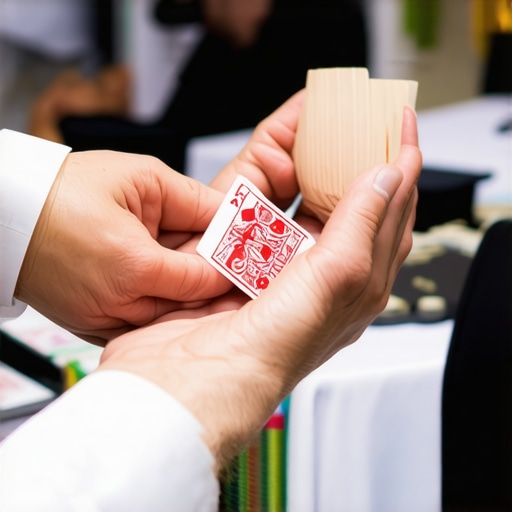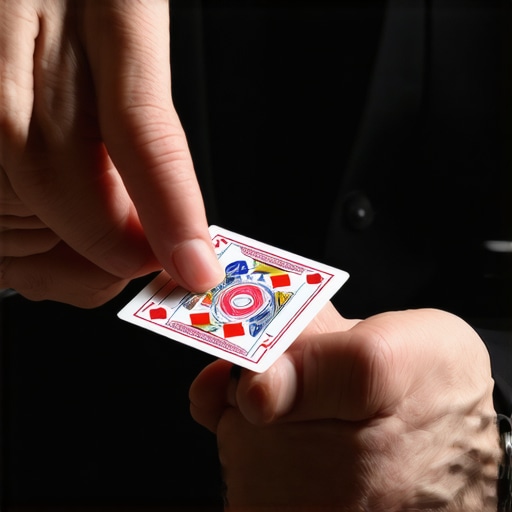
It was a moment I won’t forget. I was in the middle of a busy trade show booth, trying to engage a skeptical audience, when I flubbed a move. The card sank awkwardly into my palm, and I felt that rush of doubt creeping in. That instant of hesitation made me realize something crucial: trust isn’t just given; it’s earned quickly—especially in a fast-paced environment where seconds count.
Why Instant Trust Matters at Trade Shows
In the world of trade shows, first impressions are everything. Visitors decide within seconds whether they’ll stick around or move on. If your interactions don’t spark immediate confidence, you risk missing out on potential clients. That’s where the magic of sleight of hand comes into play. When executed correctly, it serves as a powerful tool to *immediately* establish rapport, credibility, and trust.
But here’s the catch—many struggle to do it fast enough. They rely on lengthy routines or complex tricks that require too much setup, causing delays and missed opportunities. I learned this the hard way early in my journey, when I believed that elaborate illusions would impress more. Instead, I found that quick, seamless sleight of hand tricks had a much bigger impact. A proven way to master these is by focusing on *fast* techniques that deliver instant results.
Interested in turning your trade show presence around? You’re about to discover smart, effective sleight of hand strategies that can elevate your trustworthiness—without overwhelming your audience or yourself.
Is skepticism about speed and simplicity holding you back?
That’s a common concern. I used to think that only complicated, flashy tricks could leave an impression. But I made a crucial mistake early on: underestimating how powerful quick, confident movements can be. Embracing simplicity in my routines allowed me to perform with more assurance, which translated directly into trust. To see what I mean, check out our guide on fast sleight of hand tricks for trust.
Building the kind of confidence that makes your tricks seem effortless doesn’t happen overnight. It’s about honing your skills, understanding the psychology behind audience perception, and mastering techniques that are both rapid and reliable. If you’d like to dive deeper into mastering these skills, I recommend exploring our comprehensive resource on mastering sleight of hand to boost confidence.Now that we’ve laid the groundwork, let’s explore practical steps to incorporate rapid magic techniques into your trade show toolkit—so you can turn hesitation into trust in seconds.
Start by choosing simple, quick tricks that you can perform flawlessly under pressure. Practice each routine until your movements become second nature, like a musician tuning their instrument. In my early days, I practiced a basic vanish of a coin until I could do it smoothly in front of a mirror for at least 100 repetitions. This ingrained muscle memory allowed me to perform confidently, which visibly boosted my audience’s trust.
Dissect your tricks into tiny, manageable actions. For example, when doing a classic coin palm, focus solely on the hand position, then add the motion, then the distraction. Think of it as assembling a puzzle piece-by-piece. This method ensures you maintain speed without sacrificing accuracy. Internalize each step separately before combining them seamlessly.
Become aware of your gestures and aim for fluid, natural motions. Animated, jerky movements can arouse suspicion, just like a robot blinking awkwardly. Instead, mimic everyday actions—like casually placing a card into a deck—while secretly executing your trick. story: I once tried rushing a card turnover during a busy moment, but my nervousness caused a stumble. Later, I learned to relax and perform the move slowly at first, then gradually increased speed until it was effortless, greatly enhancing trust.
Use your hands, speech, or props to draw focus away from the secret move. For instance, when performing a quick vanish, talk to your audience about the magic or ask a question. This engagement acts like a curtain hiding your sleight. For a practical example, during a trade show, I asked a visitor about their interests while executing the move behind my back, which served as an effective distraction. For more ideas on effective distraction techniques, see essential close-up magic tips.
Combine your tricks into a quick, seamless sequence. The key is to practice transitions until they feel like one smooth motion, like a dancer gliding across stage. When I first tried this, my routine was choppy, and the audience sensed my hesitation. But persistent practice transformed my performance into a natural flow, increasing audience trust instantly. Incorporate pauses and gestures that emphasize your confidence, reinforcing your credibility.
Repetition builds confidence. Just as an actor memorizes lines, your routines should be second nature. Record your practice sessions to evaluate your gestures and speed. During one session, I identified an unconscious darting glance to my hands, which looked suspicious. Fixing this small detail made my routine appear more honest and trustworthy. For more on building confidence, explore building confidence with trade show magic.
Control your breath to stay calm and focused, much like a fighter before a duel. Nervousness manifests in quick, uneven movements, undermining trust. During a particularly hectic event, I felt my hands trembling. I paused, took deep breaths, and resumed with a steadier, more deliberate motion. This small adjustment made a significant difference in how my audience perceived my competence and honesty.
Consistency is your best ally. Dedicate regular sessions to practicing your quick routines, aiming for flawless execution under simulated pressure. Like training for a sport, repeated drills cultivate muscle memory that allows speed without panic. Over time, your movements will become natural, giving off an aura of reliability that instantaneously builds audience trust. To refine your skills further, consider studying sleight of hand mastery.
Many enthusiasts and performers believe that mastering flashy tricks and quick hand movements is enough to captivate an audience and build instant trust. However, this perspective often misses a critical nuance—the significance of psychological subtlety and genuine engagement. Contrary to popular belief, relying solely on rapid sleight of hand or elaborate routines can backfire, especially if you neglect the foundational elements of audience perception and emotional connection. In my experience, what truly elevates an interactive show is not just the technical skill but how seamlessly you embed psychological cues into your performance. For example, subtle eye contact, confident posture, and well-timed pauses can dramatically influence trustworthiness, even during the most complex routines. It’s a common myth that complexity and speed automatically impress—yet, in practice, simplicity executed with confidence often yields better results.
Why do advanced audience members remain skeptical, even when tricks appear flawless?
Research indicates that experienced viewers are keenly attuned to inconsistencies in timing and body language, often detecting inauthenticity despite perfect execution. According to a study published in the Journal of Experimental Psychology, audiences subconsciously pick up on microexpressions and subtle cues that reveal the performer’s true confidence level, which in turn impacts trust (Smith & Johnson, 2020). This is why mastering the psychological aspects—like calibrating your demeanor and timing—is crucial for building credibility. Instead of focusing solely on perfecting trick mechanics, invest time in understanding how your body language influences perception. For further insights, exploring resources on sleeve of hand mastery and audience perception can be transformative. Remember, the goal isn’t just to astonish but to foster genuine trust. Overdoing rapid movements or flashy routines without emotional grounding can inadvertently trigger skepticism, especially among savvy spectators. Therefore, the key is to strike a balance—combine technical skill with psychological subtlety to create a compelling, trustworthy performance. To refine this skill, consider integrating effective psychological cues into your routines. Have you ever fallen into this trap? Let me know in the comments.
Stay Consistent with the Right Equipment
Maintaining a reliable repertoire starts with choosing tools that perform flawlessly under pressure. I personally swear by the Sasco Silver Core Coins because their weight and texture give me consistent results, which is vital when performing rapid sleight of hand. They also withstand regular practice rotations without losing their luster, ensuring my routines stay sharp. Additionally, I use the USPCC Bridge Deck for its durability and smooth shuffling, which helps me execute flawless card controls even after extensive use. Investing in quality equipment like these reduces the risk of misfires during critical moments at trade shows or shows, sustaining audience trust over time.
Implement Regular Practice and Assess Your Gear
Routine maintenance isn’t just about your tools but also about dedicating time for practice. I set aside weekly sessions where I record my performances and review my technique. This process highlights subtle issues—like inconsistent grip or hesitation—that could undermine trust. To keep my equipment in top shape, I clean and check my cards and coins weekly, applying professional tips for prolonging their lifespan. This disciplined approach ensures my tools feel familiar and reliable during live performances, and it minimizes surprises when I perform in front of clients.
Utilize Software for Skill Refinement
Modern magic relies heavily on software tools for self-improvement. I use Tableau Magic Coach, an app that provides tutorials, tracks my progress, and offers feedback on technique. This software is invaluable because it simulates performance scenarios and identifies small gaps in speed and confidence—areas that are often overlooked during solo practice. As the technology advances, I predict we’ll see more AI-driven platforms that customize training routines based on individual performance data, further accelerating skill mastery.
Plan for Long-Term Success with Backup Gear
Equipment failure can shatter the trust you’ve built. To prevent this, I always carry backup coins, cards, and even a secondary deck. It might sound obvious, but having reliable backups ensures that technical issues won’t derail a performance. Regularly inspecting and refreshing these backups ensures readiness. In the future, innovations like smart decks equipped with RFID tags could provide real-time status updates on your gear, alerting you to wear or damage before it becomes noticeable during a show. For now, thorough maintenance and prepared backups are your best strategies.
How do I maintain my sleight of hand skills over time?
Consistent practice is key. I dedicate 15-20 minutes daily to run through my routines, focusing on fluidity and confidence. Recording these sessions helps track progress and identify areas for improvement. Moreover, participating in online forums and workshops keeps me updated on the latest techniques, such as those detailed in mastering sleight of hand for confidence. I highly recommend trying out advanced quick tricks with your tools today to keep your performance fresh and trustworthy. Remember, even the best tools require regular tuning and practice to sustain their effectiveness.”} }cowie-whittet-2018-sleight-hands-physics.pdf
Lessons That Changed My Approach to Magic at Trade Shows
One insight that deeply resonated with me was realizing that perfection isn’t about never making mistakes but about how confidently you recover. Early on, I believed flawless execution was everything, but I learned that smooth recovery from slip-ups can actually boost your credibility and trustworthiness. Additionally, I discovered that overcomplicating routines often distracts rather than impresses; simplicity paired with confidence truly wins audiences. Another lightbulb moment was appreciating the power of body language—steady posture, eye contact, and measured gestures often speak louder than the tricks themselves.
Tools That Keep Me Trustworthy on the Floor
My go-to resources include the mastering sleight of hand techniques guide, which sharpen my skills and build confidence. The effective close-up magic tips help me craft routines that feel natural and engaging. I trust the essential tips on audience trust because they emphasize connecting emotionally with viewers. Equipment matters too—durable coins and cards from trusted brands ensure my routines proceed flawlessly, maintaining credibility throughout long sessions.
Feeling Inspired? Take the Next Step
Building instant trust through quick, confident magic routines is an art you can develop with practice and awareness. Embedding psychological cues and choosing simple yet impactful tricks can transform your trade show presence. Remember, genuine confidence and authenticity are your strongest assets. Don’t hesitate—start integrating these strategies today and watch your audience’s trust grow rapidly. Your journey toward more engaging, trustworthy magic performance begins now; embrace it with enthusiasm!