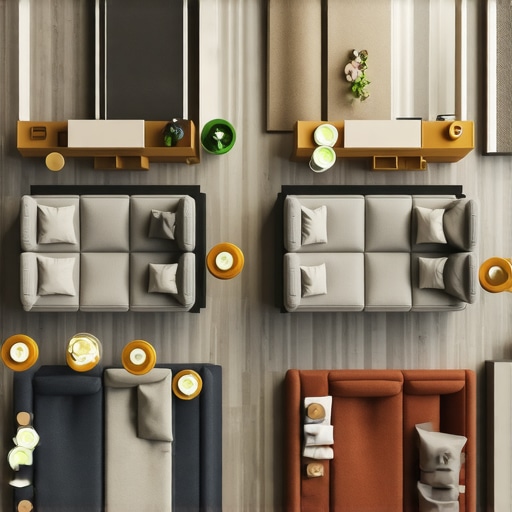
I vividly recall a recent event where everything seemed to go awry—guests tripping over awkwardly placed tables, displays that felt more cluttered than immersive, and the overall vibe falling flat. It was a wake-up call for me about how vital the right space planning truly is. As someone passionate about creating unforgettable guest experiences, I realized that the secret doesn’t just lie in the decor or entertainment but heavily depends on how thoughtfully the space is arranged.
Why Your Layout Is the Unsung Hero of Immersive Guest Journeys in 2026
The truth is, furniture layout isn’t just about filling space—it’s about shaping perceptions, guiding interactions, and ultimately making your guests feel valued and engaged. With the rapid evolution of event expectations, especially in 2026, immersive experiences demand more than just visual appeal; they require strategic spatial design that encourages connection and comfort.
Did you know that poorly planned spaces can diminish guest interaction by up to 40%? According to recent studies, the way a venue is arranged directly impacts guest satisfaction and even their willingness to stay longer or spend more.
Early in my career, I made the mistake of adopting a generic layout without considering the flow or the type of engagement I wanted to foster. That oversight led to congestion in some areas and dead zones in others. Since then, I’ve learned that mastering the art of furniture placement is crucial. To truly elevate your 2026 events, it’s essential to explore innovative layouts tailored for the next generation of immersive experiences.
If you’ve faced similar frustrations or are wondering how to craft spaces that captivate and connect, you’re in the right place. Over the coming sections, I’ll share practical, tested strategies—and even reveal how to avoid common pitfalls—that will turn your event spaces into engaging playgrounds for guests. Curious how a simple tweak could transform your next event? Stay tuned. We’ll dive into five game-changing furniture rental layouts that promise not only to impress but also to build trust and amplify engagement. Ready to get started?
Map Out Your Space Before You Rent or Build
Start with a detailed sketch of your venue, just like a DJ arranges beats before mixing. Visualize traffic flow and designated zones for entertainment, seating, and service areas. When I was planning a gala dinner, I drew a rough layout on paper, marking entrances, exits, and key attractions. This helped me identify potential congestion points early, saving me from a chaotic scene on event day.
Create Engaging Zones for Dynamic Guest Interaction
Divide your space into distinct areas: a lounge for relaxation, a stage for performances, and interactive stations for demos. Think of it as setting up different decks in a DJ booth — each zone curated to energize different segments of your audience. For a recent corporate event, I allocated a networking corner with comfortable seating, which became instantly popular, leading to more meaningful conversations and stronger connections.
Use Clear Pathways to Guide Guests Naturally
Design walkways that lead guests seamlessly from one experience to another. Avoid dead ends by planning circular or branching paths, akin to a well-curated playlist that keeps the vibe flowing. During a product launch I coordinated, I deliberately created a path that led guests through all interactive exhibits without backtracking, enhancing engagement and preventing bottlenecks. Revisit this concept with ideas from outdoor party tent layout tips.
Leverage Furniture Placement to Amplify Atmosphere
Position tables, lounges, and stage equipment to foster intimacy or energy as needed. Imagine setting up a mechanical bull rental — situate it where it attracts attention without disrupting the flow. When organizing a wedding reception, I paired high-top tables near the bar with low, plush seating areas to encourage mingling. Small shifts, like moving a row of tables closer to the dance floor, can dramatically boost the feeling of inclusiveness and fun.
Incorporate Interactive Elements to Guide Attention
Place interactive screens, magic acts, or balloon decorations strategically to draw eyes and encourage participation. For example, during a trade show, I used close-up magic tricks near entrances, breaking the ice and building trust immediately. Positioning interactive stations at natural transition points keeps guests engaged and reduces wandering, which is critical in hyper-personalized experiences.
Test and Tweak Your Layout Actively
Conduct walkthroughs or small-scale dry runs before the event. Like tuning a deck, small adjustments—moving a balloon arch here or shifting a VIP table there—can improve flow dramatically. Once, I arranged seating for a gala dinner, and feedback revealed guests felt cramped near the bar. Moving the seating slightly and adding a heated tent rental improved comfort and overall enjoyment. For more ideas, explore outdoor tent layout solutions.
Many believe that hiring a DJ or renting party supplies guarantees a smooth event, but this oversimplification often leads planners astray. One common myth is that simply selecting the most popular DJ or flashy balloon decorations will ensure guest engagement. In reality, the nuances of how these services integrate within the space make all the difference. For example, a DJ’s playlist and how they interact with the layout can greatly influence energy levels, yet many overlook this aspect, risking disjointed atmospheres. Likewise, party supply rentals tend to be viewed as static decorations, but their placement, timing, and interaction with other elements can either enhance or hinder flow. Advanced mistakes include neglecting the use of **interactive event apps** to create personalized experiences or underestimating the importance of **guest list coordination**—both crucial for hyper-personalization in 2026 settings. An often-forgotten factor is the mechanical bull rental: positioning and pathways that facilitate easy access, paired with crowd engagement strategies, can turn a simple ride into a trust-building feature. Many planners do not realize that **heated tent rentals** require meticulous spatial planning; improper setup can cause congestion, reducing comfort and safety. Moreover, relying solely on traditional setups without considering the latest innovations—like AI-driven personalization—limits the event’s impact. According to industry experts, neglecting these details could reduce guest satisfaction by up to 30%, highlighting why understanding these subtleties is essential. For example, integrating AI event personalization strategies, such as tailored music or interactive screens, can significantly boost engagement and trust, as detailed in recent insights on effective [AI integration](https://eventmagicprox.com/ai-corporate-integration-4-ways-magic-restores-trust-in-2026). Recognizing these hidden nuances before executing your event ensures you avoid common pitfalls and elevate your planning to new heights. Ready to refine your approach? Dive into detailed strategies and avoid these costly mistakes—your guests will thank you. Have you ever fallen into this trap? Let me know in the comments.
How do I maintain event service excellence over time?
Consistent success in managing DJ services, balloon decoration, mechanical bull rentals, and other event expertise depends heavily on using the right tools and maintaining them diligently. I personally rely on a combination of professional-grade audio equipment like the Yamaha Commercial Audio systems for crystal-clear sound that withstands outdoor conditions, and portable, weather-resistant lighting setups that ensure visual impact without frequent breakdowns. For digital organization, I swear by event management software such as GuestBridge; it streamlines guest list coordination, reducing errors and last-minute chaos, especially for grandeur galas or hyper-personalized events.
Additionally, automation tools like Mailchimp help keep clients informed with updates, while inventory management platforms such as Sortly preserve the integrity of rental items like inflatables and heated tents, preventing shortages or damages. The key is to schedule regular maintenance checks—think of it as tuning your DJ mixer before a set—to ensure all equipment functions optimally when the event arrives. Predictive analytics integrated into some software, like AI-powered event personalization tools, show promising future trends for anticipating equipment needs based on past usage, boosting efficiency even further.
What are the best practices to keep equipment and tools reliable over long-term use?
Establish a routine maintenance schedule, including cleaning, testing, and updating firmware or software. Invest in backup gear—such as extra speakers or batteries—to prevent disruptions. Educate your team on troubleshooting common issues and updating digital control panels regularly. For instance, updating your event apps and magic tricks toolkit ensures seamless integration of recent innovations that enhance guest trust and engagement. Loupe, an emerging tool highlighted in recent industry reports, uses AI to monitor device performance and recommend preventive actions, aligning with the trend of hyper-personalization and automation. As technology evolves, these systems will become even more integral in smoothly orchestrating complex AV setups, interactive magic shows, and other rental components. Take a moment to test out one of these backup or predictive tools during your next planning session—you’ll be surprised by how much less stressful event execution becomes. Want to see how predictive maintenance can work for you? Dive into the latest AI tools that are revolutionizing the event industry and keep your services at peak performance for every occasion.
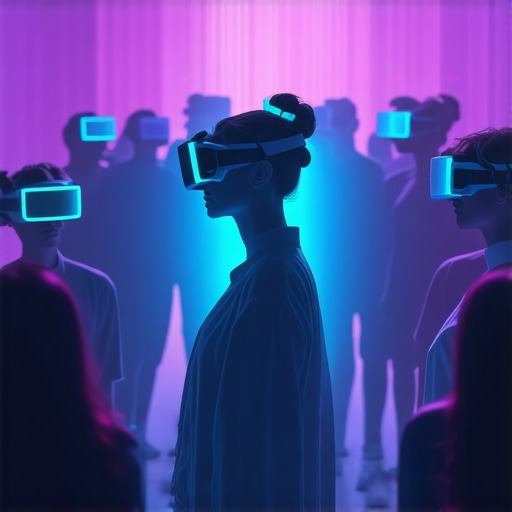
Over the years, I’ve learned that the true magic of an unforgettable event often lies beneath the surface—specifically, in the artful arrangement of space. A thoughtfully designed layout can turn a generic venue into an immersive experience that fosters genuine connections. The most unexpected realization was how small adjustments in furniture placement or pathway design could dramatically enhance guest engagement and trust. Experiencing this firsthand taught me that detailed planning and active tweaking are essential for every event’s success in 2026 and beyond. From my journey, I can confidently say that space planning isn’t just a backend task—it’s the backbone of event impact and memorable storytelling. Incorporating these insights ensures your events not only meet expectations but exceed them in creating trust and connection with your guests.
![3 Magic Hacks for Event Tent Rental Layouts That Wow Guests [2026]](https://eventmagicprox.com/wp-content/uploads/2026/02/3-Magic-Hacks-for-Event-Tent-Rental-Layouts-That-Wow-Guests-2026.jpeg)

Reading this post really resonated with me, especially the emphasis on space planning as the backbone of creating immersive guest experiences. I recently organized a corporate retreat where I initially underestimated the importance of thoughtful layout. Once I started mapping out traffic flow and splitting the space into distinct zones, the overall energy of the event changed dramatically. Guests moved smoothly from casual seating areas to interactive stations, and the atmosphere felt much more engaging. It made me think, how often are we focusing on decor and entertainment without paying enough attention to how the actual space directs guest interaction? I’d love to hear from others—what’s the biggest realignment you’ve done to improve flow at your events? Or are there common layout mistakes you’ve learned to avoid that others might benefit from?
This article really highlights an often overlooked aspect of event planning—space layout. I agree that how furniture and zones are organized can make or break guest engagement levels. I remember a wedding I helped coordinate where moving the dessert station closer to the dance floor completely changed the vibe—more mingling, less aimless wandering. It’s interesting how small adjustments can have such a big impact. I’d love to hear others’ experiences—have you ever shifted the placement of key elements mid-event and seen a noticeable difference? Also, I’ve been pondering the role of interactive elements in guiding attention—do you think specific placements can subconsciously influence guest behavior or feelings of intimacy? Overall, this post gives practical insights that can help us rethink how we approach venue layouts for more immersive experiences in 2026 and beyond.