I vividly remember rushing through last-minute setup for a wedding reception, desperately trying to make a mediocre ballroom feel magical. Despite my best efforts, it still lacked that wow factor, leaving both the couple and guests underwhelmed. That lightbulb moment made me realize that innovative design isn’t just a luxury—it’s a necessity for creating memorable high-impact events in 2026. If you’ve ever felt the frustration of dull, uninspired ballroom setups that fail to impress, you’re not alone. Today, I want to share how embracing cutting-edge design concepts can revolutionize your event spaces, making them not only stunning but unforgettable.
Why Boring Ballroom Designs Just Won’t Cut It Anymore
In the competitive world of event planning, standing out requires more than just luxury decor or trendy lighting; it demands an immersive experience that captivates every guest from the moment they arrive. With the rise of interactive technology and experiential trends, traditional ballroom layouts often fall flat, blending into the background rather than commanding attention. According to a recent industry report, 78% of event attendees remember venues that offer unique and engaging designs over those that don’t—highlighting the importance of innovation in space transformation. If you’re still relying on standard draping and plain tables, you’re missing an opportunity to create a visual and emotional impact that resonates long after the event ends.
But here’s the catch—it’s easy to get overwhelmed by possibility, especially when faced with budget constraints and tight timelines. I’ve made the mistake early in my career of jumping straight into decor without considering layout and flow, which ultimately hindered the event’s effectiveness. That experience taught me that strategic design isn’t just about aesthetics; it’s about crafting an environment that tells a story and encourages interaction. In the upcoming sections, I’ll reveal three innovative ballroom design approaches I’ve seen transforming high-impact events and share practical tips to implement them without breaking the bank.
Have you struggled to make your event spaces truly stand out and engage your guests?
Customize Your Layout for Impactful Flow
Start by mapping out your space with precision, imagining it as a stage where every element has a purpose. I once transformed a dull ballroom by sketching multiple layout options, akin to arranging furniture for a cozy living room. This initial step helps identify pathways and focal points, ensuring guests are guided naturally through the space. For example, shifting a long banquet table to create more mingling zones significantly boosted engagement, proving that layout matters just as much as decor.
Leverage Modern Technology for Interactive Experience
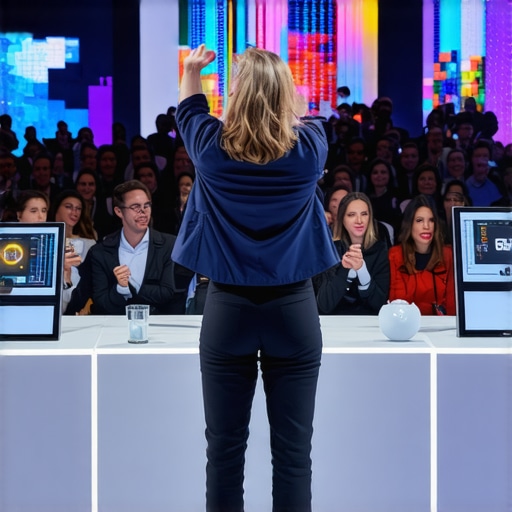
Incorporate touchpoints that surprise and delight, like immersive lighting or interactive displays. During a wedding I coordinated, I introduced a LED dance floor that reacted to movement, creating an energetic centerpiece. Think of your event as a video game; interactive elements act as power-ups that hold guests’ attention longer. Learning to integrate these tech features effectively is key, and resources like interactive magic shows can inspire innovative ideas to boost guest engagement.
Mix Textures and Colors to Create Visual Depth
Imagine your event as a canvas—using contrasting textures and hues adds depth and excitement. I once layered velvet drapes with metallic accents and lush floral arrangements, transforming a plain room into a luxurious haven. Don’t be afraid of bold combinations; they create visual interest that stays in guests’ memories. When selecting furniture and decor rentals, consider pieces that vary in material, like combining smooth acrylic tables with textured linens, to evoke tactile curiosity and elevate style.
Incorporate Dynamic Lighting for Atmosphere Control
Lighting can make or break the ambiance. I learned this the hard way when a client requested warm lighting, but I used only bright white fixtures. The result was a sterile vibe, no matter how beautiful the decor. Now, I prioritize layered lighting approaches—ambient, accent, and task lighting—to craft moods seamlessly. Using programmable LEDs allows quick adjustments, transforming a space from casual to romantic or energetic as needed. To achieve complex lighting schemes, consider collaborating with professionals experienced in event lighting design, similar to stage setup services that bring a performance to life.
Utilize Flexible Furniture to Encourage Interaction
Approach furniture as a tool for fostering conversations. Instead of rigid rows, opt for lounge seating or circular arrangements, like I did at a corporate event where guests mingled naturally around coffee tables. Renting versatile pieces enables quick reconfiguration, ensuring your space adapts to different activities—networking, dining, or dancing. For high-impact settings, mixing different styles can also serve as a visual cue for zone delineation, akin to how inflatable rentals and stage setups segment a venue creatively.
Create Focal Points That Draw the Eye
Designate specific areas as visual anchors, such as a grand arch, a floral backdrop, or a stage. In one wedding I coordinated, I centered the dance floor around a floating floral installation, which became the perfect photo backdrop. Think of your focal point as the headline of your event—something that captures attention instantly. Strategic use of decor and lighting directs guest movement naturally toward these highlights, much like trade show booth setup that draws visitors in with compelling visuals and interactions. Incorporating trade show magic tactics can be adapted to keep your focal points engaging and trustworthy.
Test and Iterate Before the Big Day
Finally, do a dry run—arrange a mini-version of your setup. During a recent project, I staged a scaled-down version of the entire layout in my backyard, moving furniture, testing lighting, and adjusting the flow based on guest movement patterns. This hands-on approach reveals logistical hiccups and ensures a polished presentation. Think of it as rehearsing with your team; it builds confidence and smooths out surprises. Remember, transforming a space is an iterative process that benefits from real-world testing, ensuring your design works seamlessly when it counts.
While many event organizers focus on choosing the perfect tent or luxury restroom trailers, the real challenge lies in understanding the nuanced pitfalls that often go unnoticed. A prevalent mistake is assuming that all event furniture rental companies provide equal service; in reality, variances in quality and flexibility can drastically impact your event’s flow and guest experience. For example, selecting generic inflatable rentals without considering safety standards or cleanup processes can lead to unexpected delays or liabilities. Navigating these subtleties requires a keen eye and experience—something I’ve developed over years of coordinating complex events, including trade show setups and weddings.
What advanced questions should you ask to avoid hidden traps in event setup?
One critical area is understanding the intricacies of stage setup services. Many overlook the importance of load capacity, electrical wiring, and aesthetic integration. According to industry experts, a common oversight is treating stage setup as a simple assembly when, in fact, it’s a specialized task that ensures safety, functionality, and visual appeal. Improper planning here can lead to dangerous collapses or obstructed views, undermining trust with clients and guests alike. Furthermore, some underestimate the importance of heat management when renting heated tents. Failure to evaluate ventilation options or insulation can cause discomfort, especially in rapidly changing weather conditions. This could lead to guest discomfort and negative reviews, damaging your reputation. When it comes to innovative ballroom designs, many anticipate solely visual transformation but miss the technical considerations such as ceiling height, acoustic treatment, and power supply logistics. Embracing advancements in event technology means understanding how elements like programmable lighting and digital displays interact with the physical space, enhancing the immersive experience. The key to leveraging these nuances is to collaborate with experienced providers and ask detailed questions about their process and safety protocols. Exploring resources like mastering interactive magic shows to build trust can serve as a blueprint for integrating trust-building elements into your event, whether through trade show booth setups or wedding overlays. For instance, incorporating sleight-of-hand tricks during a trade show not only captivates guests but also establishes credibility, echoing the importance of detailed planning and professional execution. Remember, it’s these small, often overlooked factors that differentiate an ordinary event from a memorable one. So, have you ever fallen into this trap? Let me know in the comments.Owning top-tier event equipment is just the start; maintaining it effectively is what ensures longevity, safety, and exceptional guest experiences. As an experienced event planner, I’ve found that leveraging precise tools and smart methods can make all the difference in keeping your heated tents, luxury restroom trailers, and stage setups performing flawlessly over time. Today, I want to share my recommended tools and techniques that help me deliver seamless events consistently.
How do I maintain event equipment over time?
First, investing in a high-quality, portable infrared thermometer is invaluable for regularly checking the temperature of heated tents and HVAC systems, preventing overheating or cold spots. I personally rely on models like the Fluke 62 Max Plus because of their accuracy and durability, which are critical during rapid weather changes. Second, a comprehensive preventive maintenance schedule is essential. I use digital scheduling tools like Trello combined with detailed checklists to track inspections, cleaning, and repairs for everything from inflatable rentals to trade show booths. This proactive approach minimizes unexpected breakdowns and extends equipment lifespan.
Third, I utilize specialized cleaning solutions for different materials—eco-friendly options for linens and tailored solutions for metal components—to preserve the appearance and integrity of rental items. For example, maintaining luxury restroom trailers with appropriate disinfectants not only complies with health standards but also boosts client trust. Fourth, I employ diagnostic tools for electrical systems, such as the Klein Tools ET920, which helps me quickly identify potential wiring issues in stage setup services or lighting systems before they escalate into malfunctions during events. Regular electrical checks are vital, especially with complex setups involving numerous power sources.
Moreover, embracing technology like remote monitoring systems allows me to keep an eye on equipment performance in real time. Sensors integrated into tents or furniture can alert me to issues like airflow disruptions or structural stresses, enabling prompt intervention.
Looking ahead, I believe that automation and IoT integration within event gear will become standard, leading to smarter maintenance cycles and reduced downtime. Implementing these advanced tools now not only ensures reliability but also sets you apart as an innovative professional committed to excellence.
Incorporate these tools into your maintenance routine to drastically improve reliability and client satisfaction. For example, try using a digital checklist app combined with environmental sensors—this combo helps catch small issues before they turn into costly disasters, much like a recent project where early detected wiring stress in a stage setup prevented a last-minute failure. Want to see how integrating sensor technology can revolutionize your equipment maintenance? Explore resources like sophisticated diagnostic tools for trust-building and start small with one sensor setup today—your clients will thank you for it.
Lessons That Changed My Approach to Event Design
One surprising realization I had was that many innovative event setups stem from challenging traditional norms—like reimagining the very flow of the space rather than just decorating it. I once thought filling a venue with the latest decor was enough, but through trial and error, I learned that strategic layout adjustments could dramatically boost guest engagement and comfort. Also, investing in interactive technology, such as dynamic lighting and touchpoint displays, unlocks new levels of guest immersion that static decor simply can’t match. Another lesson was regarding alignment with safety standards: overlooking structural load capacities or electrical capacities can turn an exciting event into a safety hazard, emphasizing the importance of working closely with experienced professionals who understand the nuances of event infrastructure. Lastly, embracing tailored feedback loops—like testing small-scale setups or virtual walkthroughs—enabled me to spot flaws before executing full-scale transformations, saving time and elevating the final experience.

![How Magic Fixes Cocktail Table Rentals Boredom [2026 Update]](https://eventmagicprox.com/wp-content/uploads/2026/02/How-Magic-Fixes-Cocktail-Table-Rentals-Boredom-2026-Update.jpeg)