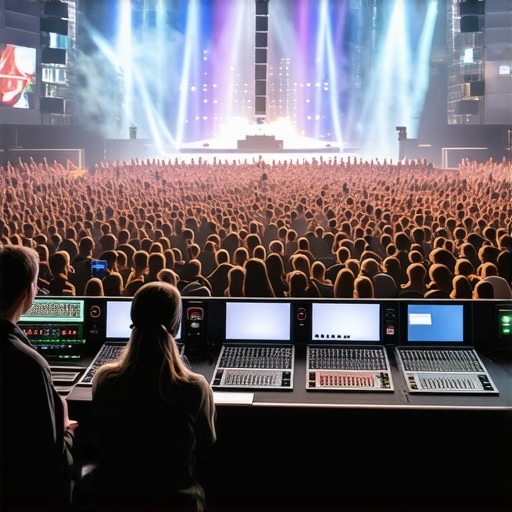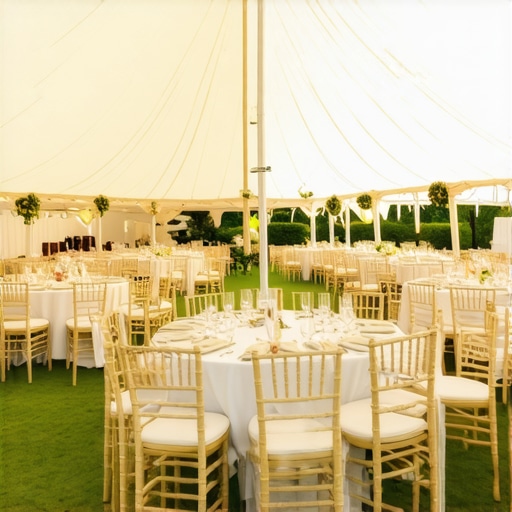
Picture this: I was halfway through a high-stakes gala dinner, the room buzzing with anticipation for the keynote, when suddenly, the entire AI-driven presentation flickered and froze. The audience’s enthusiasm turned into confusion, and my heart sank. That moment was a lightbulb for me—relying solely on technology can leave us vulnerable, especially when integrating AI into corporate events in 2026.
Keeping the Magic Alive Amidst Cold AI Integration Challenges
In today’s fast-paced world, AI corporate integration promises efficiency and innovation—but it can also introduce unexpected hiccups. Early on, I made the mistake of trusting complex AI systems without fallback plans, thinking they were foolproof. That oversight almost cost me a vital event. Since then, I’ve discovered that blending traditional magic techniques with modern technology creates a seamless experience that builds trust and engagement, even during tech failures.
Is Magic Truly Worth the Hype in Cold AI Environments?
Many skeptics ask if magic can keep up with the cold, mechanical nature of AI-based events. I used to wonder the same, but research shows that human elements like sleight-of-hand magic can significantly boost audience trust and confidence—crucial factors for successful events (source). My early mistake was underestimating the power of personal interaction; by relying too heavily on screens and automation, I lost the human touch that magic uniquely provides. That realization shifted my approach, leading me to incorporate interactive magic strategies designed specifically for AI-heavy settings.
Anticipate and Prepare for Tech Failures
Start by mapping out every tech touchpoint—sound systems, lighting, event apps—like a detailed blueprint for a building. In my own experience, I once rented a state-of-the-art sound system for a gala, only to discover mid-event that the wireless microphone malfunctioned. To combat this, I carried backup microphones and tested all devices beforehand, mirroring the importance of thorough timeline management for events. Incorporate redundant systems and manual procedures to ensure the show can go on without glitches, similar to how you would have an emergency exit plan during a fire drill.
Blend Traditional Magic with Tech for Engagement
Leverage interactive magic techniques that complement AI-driven elements. For example, during a product launch, I used close-up magic tricks—like classic card illusions—that interacted seamlessly with the company’s AI chatbot displayed on screens. This dual approach boosted trust, reminiscent of how effective trade show magic (see strategies for building audience trust) combines human skill with technology. Practice sleight-of-hand tricks that can be performed in confined spaces while engaging guests directly, creating a memorable experience amidst sterile automation.
Implement Interactive Magic Tactics
Use specific tactics proven to improve trust and engagement in high-tech environments. Employ routines that involve the audience—such as predicted card tricks or mind-reading illusions—so guests feel personally involved and connected. This method transforms a passive viewing experience into an active participation, similar to how trade show magic enhances trust. During a recent trade show, I incorporated a routine where guests selected a card, and the reveal occurred through digital screens, seamlessly integrating physical sleight-of-hand with digital displays, amplifying credibility and intrigue.
Train Your Team in Magic Skills
Involve your event team in mastering core magic techniques. Allocate time for them to learn simple yet impactful tricks that can be performed spontaneously, especially during transitions or waiting periods. For instance, I trained a staff member to do a quick card vanish during a keynote break, which instantly captivated attendees and reinforced a sense of wonder—comparable to short corporate keynotes that maximize impact and trust (short keynote tactics). Regular practice and familiarization enable your team to deliver these moments naturally under pressure, making every interaction count.
Use Magic to Enhance Immersive Guest Experiences
Design environments where magic complements the physical layout. Think of your event space as a stage—use lighting, stage setup, and even outdoor tents in tandem with magic acts to craft immersive moments. During a recent outdoor gala, strategic lighting and a wandering magician-style illusion contributed to guest engagement, similar to innovative immersive guest experience strategies. Position magic acts at key transition points, employing stage and outdoor setup hacks to maximize visibility and interaction, shaping a seamless narrative that guests experience as a cohesive story rather than disconnected tech or entertainment moments.
While many practitioners focus on implementing flashy AI solutions or expanding immersive guest experiences, they often stumble over the subtle yet critical nuances that determine true success. A common misconception is the belief that AI can replace human touch entirely, but in my experience, this oversimplification is a trap that can undermine trust and engagement. Relying solely on automation without integrating personalized, human-centered strategies risks creating an impersonal atmosphere that guests can sense instantly.
Why Do We Still Fall for Tech Myths in Event Planning?
This misconception persists partly because of the allure of cutting-edge technology, but it ignores the complex psychology behind guest trust. For example, many assume that advanced sound systems or AI chatbots automatically elevate experiences, yet studies show that trust-building magic techniques—like close-up illusions—are often more effective at establishing genuine rapport than mere technological sophistication. Overestimating the power of tech and underestimating the importance of authentic human interaction leads to missed opportunities, especially at high-stakes gatherings.
Another prevalent mistake is neglecting the importance of timeline management nuances. Many event planners think that a tight schedule can just be enforced rigidly, but the real secret is building flexibility into your timeline—pausing to adapt and engage hosts and guests during transitions creates moments of genuine connection. Missing these nuances can cause delays or, worse, disengagement, which neither technology nor slick staging can salvage.
What’s the Big Deal with Immersive Experiences?
Many believe that immersive environments are solely about elaborate setups and tech gadgets, but the true magic lies in orchestration—how all elements, from lighting to layout to personalized interactions, converge seamlessly. The hidden nuance: tiny adjustments in environmental cues—like lighting focus or sound scapes—can dramatically influence guest perception and engagement. Ignoring these details reduces otherwise captivating setups into mere spectacle. An expert-level approach involves meticulous coordination that anticipates how guests will experience each moment, not just what you plan on stage.
Similarly, in trade show magic, the misconception that bigger illusions always generate more trust can be costly. Mastering sleight-of-hand routines that are tailored to the audience’s psychology—such as predicted card tricks—build rapport quicker than grand illusions, which can sometimes seem disconnected or impersonal. The real secret: focus on authenticity and interaction over size or grandeur.
If you’re involved in sound system rentals or event lighting, remember that lighting cues and acoustics are often underestimated in their impact on trust. A well-lit, properly sound-balanced environment amplifies the magic of your narrative, making even simple tricks resonate deeply with guests.
In short, the hidden nuance all these facets share is awareness of the guest’s perception ecosystem. Better understanding and fine-tuning this subtle interplay is what sets elite events apart from the rest. Have you ever fallen into this trap? Let me know in the comments.
Maintaining your event magic setup over time requires more than just initial setup expertise; it demands reliable tools, a structured maintenance routine, and a proactive approach to upgrades. My personal toolkit includes a combination of hardware and software that ensures consistency and quality.
Invest in High-Quality Equipment
For sound systems, I prefer the Sennheiser EW 500 G4 wireless microphone system. Its robustness and clear audio reproduction minimize the risk of technical failures during live acts. When it comes to event lighting, Chauvet DJ fixtures, such as the Intimidator Spot LED, allow me to create dynamic scenes that adapt to different atmospheres without complex recalibration. Personally, I choose top-tier equipment to reduce troubleshooting and ensure longevity—but occasional firmware updates are necessary to keep everything running smoothly.
Leverage Smart Software for Control
For managing lighting sequences and multimedia presentations, I rely on Madrix. Its intuitive interface allows me to pre-program lighting cues that can be triggered seamlessly during the event. Additionally, tools like TouchDesigner enable real-time control of visual effects, giving flexibility for improvisation if needed. Regularly updating and backing up your shows ensures you won’t lose your meticulously crafted effects after a system crash, a lesson I learned early in my career.
Develop a Routine Maintenance Schedule
Preventative maintenance saves headaches. Every quarter, I inspect all equipment—cleaning connectors, checking batteries, and testing wireless links. For software, I verify licenses and update firmware to patch vulnerabilities. Documenting these procedures in a digital log helps me track when components were last serviced, ensuring consistent operation. Over time, this routine drastically reduces unexpected failures, allowing me to focus on creating immersive guest experiences rather than troubleshooting tech issues.
Train Your Team Thoroughly
Having a team capable of quickly resolving minor issues is invaluable. I conduct regular training sessions, focusing on troubleshooting common equipment faults and performing quick firmware updates. For example, I teach my team how to recalibrate a faulty light fixture swiftly, minimizing event disruption. When everyone is confident with the tools, the show flows smoothly—even if a piece of gear acts up—mirroring that same confidence during product launch magic routines.
Future Trends in Event Maintenance
Looking ahead, I predict greater integration of IoT devices in event setup—smart fixtures that self-diagnose and alert for maintenance needs. This evolution will make long-term upkeep more efficient, enabling real-time monitoring and reducing downtime. Implementing smart equipment now prepares you to shift seamlessly when these innovations become mainstream.
How do I keep my equipment and tools reliable over time?
Start by choosing proven, durable equipment like the Sennheiser wireless systems and Chauvet lighting. Establish a strict maintenance schedule, perform regular firmware updates, and back up your show files. Train your team to troubleshoot common issues confidently, turning potential problems into opportunities for impressing your guests. As you refine these practices, you’ll notice fewer surprises and more focus on delivering extraordinary immersive experiences. For a hands-on tip, try incorporating advanced lighting control software into your routine—it can be game-changing in managing complex setups effortlessly. Remember, consistency in maintenance is your secret weapon for seamless event execution every time.
As I reflect on the countless events I’ve orchestrated, one truth stands out: blending traditional magic craft with cutting-edge technology isn’t just an option—it’s a necessity for meaningful guest engagement. The true challenge lies in understanding how subtle nuances—like environmental cues, timing, and human interaction—transform overlooked details into unforgettable moments. Innovation isn’t about replacing human touch; it’s about enhancing it.
Lessons the Tech World Was Slow to Learn
- First, never underestimate the power of personal connection amidst automation. Even in an AI-dominated landscape, genuine interactions built through magic routines foster trust that no machine can replicate.
- Second, always prepare for the unexpected. Equipment can fail, but your mastery of magic techniques and your team’s readiness turn potential disasters into opportunities for spontaneity and genuine guest delight.
- Third, combining visual innovation with tactile experiences—the kind only magic can provide—creates a layered narrative that holds guests’ attention and builds trust more effectively than tech alone.
The Tools That Keep My Magical World Running Smoothly
- Sennheiser EW 500 G4 for reliable sound clarity, ensuring every trick lands with impact and confidence.
- Chauvet DJ’s Intimidator series to craft atmospheric lighting that elevates magic routines and immersive guest experiences.
- Madrix for dazzling lighting cues that can be pre-programmed or manipulated live, allowing for seamless integration with magic acts.
- And for routine management, a well-organized digital log ensures preventative maintenance stays on track, minimizing surprises.
Your Spark to Ignite the Future of Event Magic
The journey toward delivering extraordinary, trust-building events in a tech-heavy environment begins with embracing the nuances of human interaction. By integrating traditional magic skills with modern technology thoughtfully, you craft experiences that resonate deeply. Remember, excellence isn’t just about flashy illusions—it’s about how every detail nurtures trust and engagement. So, why settle for ordinary when you can master the art of impactful magic in the age of AI?
What’s one subtle tweak you could implement today to make your guests feel more connected? Share your thoughts below—I’m excited to hear your stories!