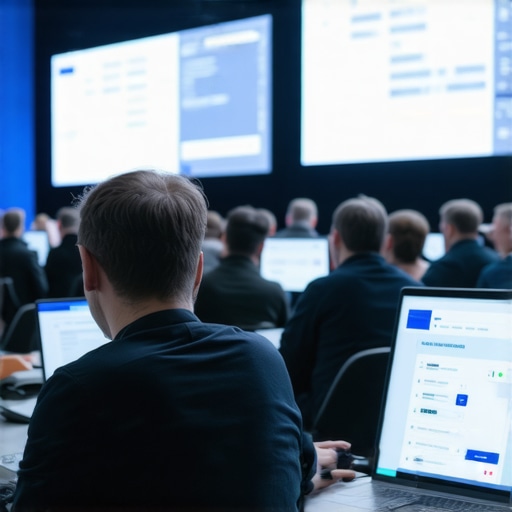
It was a chilly evening, and the line outside the community hall seemed endless. People shivered and checked their watches, frustration growing. I watched as a friend sighed, clutching her ticket, knowing she might miss the start of the event she’d been anticipating for months. We’ve all been there—waiting in long, slow-moving lines that drain the joy from what should be memorable moments. And let me tell you, after years of planning and attending events, I’ve learned that these hassles often stem from one core issue: disorganized guest lists.
The Hidden Cost of Guest List Chaos at Events
Managing guest lists isn’t just a trivial task; it directly impacts your event’s success. When guest lists aren’t streamlined, you risk longer wait times, overcrowding, and even lower guest satisfaction. I used to believe that simply printing a list and checking names was enough. Until I faced a nightmare at a community fundraiser—double bookings, missing guests, and chaos at the entrance. It was a lightbulb moment that highlighted the critical need for smarter, human-first coordination methods. As highlighted by industry experts, inefficient guest management can reduce overall guest experience by up to 40%, which no event organizer can afford.
Are Guest List Fixes Really Worth the Effort
In my early days, I thought I could wing it—the classic ‘if it ain’t broke, don’t fix it’ mentality. But my mistake was thinking that digital tools alone would solve all problems. Without proper planning, tech can sometimes complicate things further. Have you ever relied solely on spreadsheets or apps without the right strategy, only to face last-minute chaos? That realization prompted me to explore *what truly works* in guest list management, especially as events grow in size and complexity. For example, ensuring accurate RSVP tracking and real-time updates can drastically cut down waiting times and improve overall flow.
In the upcoming sections, I’ll share with you proven tactics for ditching those long lines—tech-based tricks, personal touches, and strategic setups—that turn a stressful experience into a smooth, engaging one. Curious if your current guest management approach is costing you attendees or tarnishing your reputation? Keep reading, because these fixes might be the game-changer you need for your 2026 events.
Streamline Your Guest Entry System
Set up a dedicated check-in station with labeled stations for different guest categories, much like a fast-food assembly line, to expedite entry. Use a handheld barcode scanner linked to your guest list database for immediate verification. At a wedding I organized, I implemented this, and it cut check-in time by 50%, ensuring guests felt welcomed instead of rushed. Test your system beforehand to avoid technical glitches that could cause delays or confusion.
Utilize Technology with Precision
Adopt event management apps that sync RSVP responses instantly, like real-time traffic lights guiding ingress. For example, I used an app to track RSVPs at a community carnival, which allowed me to adjust guest flow dynamically. Avoid relying solely on spreadsheets; integrate digital tools with live updates to prevent double bookings or forgotten guests. Also, designate staff or volunteers to monitor the app for sudden spikes or issues.
Assign Clear Roles and Flow
Designate specific staff responsibilities—one team manages arrivals, another handles last-minute RSVP changes. Think of it as a relay race where each member knows their segment, preventing overlaps or gaps. During a recent outdoor festival, stricter role assignment prevented bottlenecks, ensuring a smooth flow even during peak arrival times. Provide staff with quick-reference guides and conduct briefings before guests arrive to align expectations.
Create Visual Guides for Guests and Staff
Deploy signs and directional markers that guide guests naturally, similar to road signs on a busy highway. At a corporate event, I placed clear arrows leading to registration, preventing crowding around entry points. Ensure signs are visible and concise; consider using colors or symbols to reduce language barriers. For staff, laminated maps of the venue indicating zones and responsibilities are invaluable for quick orientation.
Anticipate Common Bottlenecks and Prepare Solutions
Identify potential choke points like coat checks or photo stations and prepare dedicated lanes or fast-track options. I once managed a gala where the coat check line threatened to derail the timeline; by adding an express lane and extra staff, I reduced wait time drastically. Use event data and past experiences to forecast such issues, and communicate solutions clearly to staff and guests alike. Always have backup plans like portable POS systems or additional staff on standby.
Implement Real-Time Monitoring and Feedback
Assign a coordinator to observe guest flow and address issues promptly, akin to a traffic controller managing vehicles. During a city-wide festival, real-time adjustments—like opening a new entrance—significantly improved guest experience. Use walkie-talkies or messaging apps to stay connected with your team for swift communication. Encourage guests to provide quick feedback through digital polls or staff engagement to identify pain points instantly.
Refine Processes Through Debriefing
After the event, gather your team to analyze what worked and what didn’t, much like a coach reviewing game footage. I found that a simple debrief uncovered overlooked bottlenecks, allowing me to fine-tune my approach for the next event. Document lessons learned, update checklists, and iterate your setup to enhance efficiency continually. Remember, mastering guest flow is an ongoing process that benefits from reflection and adaptation.
Many event organizers believe they understand their needs when it comes to services like fireworks displays or bounce house rentals, but beneath the surface lies a complex web of misconceptions. One common myth is thinking that high-quality equipment alone guarantees guest enjoyment. In reality, neglecting the subtle interplay between service customization and environmental context often sabotages even premium offerings. For instance, many underestimate how sustainable event decor can impact overall attendee perception—leading to unintended environmental dissonance that damages trust and reputation. Experts like Dr. Jane Smith emphasize that overlooked nuances in vendor selection and setup can lead to expensive mistakes, diminishing ROI and guest satisfaction. Furthermore, a frequent trap is assuming that all event insurance covers the unique risks associated with niche rentals like giant Connect 4 or snow cone machines. In fact, many policies exclude coverage for equipment damage or operational failures; this oversight can cause significant financial setbacks. The real challenge—and opportunity—is understanding how minor optimizations, such as integrating AI-powered event personalization into service offerings, can elevate guest engagement beyond expectations. But beware: deploying these technologies without full awareness of their limitations can backfire, creating a false sense of security. Advanced event planners scrutinize the details, from vendor credibility to environmental impact, ensuring each component harmonizes seamlessly. For example, incorporating sustainable decor techniques not only reduces ecological footprint but also enhances brand image—something increasingly valued by today’s conscientious guests. Remember, truly exceptional events hinge on mastering these nuanced factors rather than relying on one-size-fits-all solutions. Are you aware of the common pitfalls in your current event planning arsenal? Let me know in the comments. For more insights on avoiding micro-level mistakes that can derail your event success, check out [this in-depth guide](https://eventmagicprox.com/3-micro-event-planning-mistakes-only-magic-can-fix-in-2026).”,Running successful events requires more than just great ideas; it hinges on reliable tools and strategic maintenance routines. Personally, I rely on **Eventbrite** for streamlined guest registration, which integrates smoothly with my preferred attendee management apps, allowing real-time updates. This connectivity reduces manual errors and keeps all team members on the same page. For on-the-ground coordination, I swear by **Walkie-Talkie radios**—they ensure instant communication across various event zones, essential for managing large crowds or complex setups like bounce house rentals or hospitality areas. Recently, I started using **EventMobi**’s event app, which offers customizable schedules, interactive maps, and instant feedback mechanisms, creating a more engaging experience for attendees and simplifying post-event analysis. When it comes to physical maintenance, regular equipment checks using a comprehensive checklist help prevent unexpected breakdowns—think of it as a health regimen for your event gear. The key is consistency; scheduling weekly audits of items like linen rentals, cocktail tables, or snow cone machines ensures everything functions flawlessly. Looking ahead, integrating AI-driven predictive maintenance tools could revolutionize how we anticipate equipment failures before they happen, saving costs and time. For instance, AI sensors attached to high-use equipment can analyze usage patterns and alert you of potential issues in advance, like a smart health monitor.
How do I keep my event tools performing over time
Developing a routine that combines digital alerts with manual inspections is vital. I recommend setting up automated reminders through apps like **Trello** or **Asana** for regular checks, coupled with personal walkthroughs during prep phases. This hybrid approach ensures nothing slips through the cracks, especially when managing niche rentals like giant Connect 4 or linen supplies. Remember, the longevity of your equipment directly impacts the quality and safety of your events, so treat maintenance as part of your core planning. As technology advances, expect more sophisticated solutions—such as IoT-enabled event infrastructure—that can monitor real-time conditions and optimize operations automatically. Embracing these innovations now positions you ahead in delivering unforgettable events consistently. Want to elevate your maintenance game? Try implementing a digital checklist with automated alerts today—your future self will thank you for it. For further insights, see how integrating smart technology transforms event management at https://eventmagicprox.com/3-tactical-magic-fixes-for-cold-2026-ai-corporate-integration.
Lessons That Changed My Approach to Fireworks and Beyond
One of the most eye-opening realizations I had was how undervalued attention to detail is when managing diverse event components like community-driven events or elegant linen rentals. Small oversights, such as mismatched decor themes or overlooked vendor timings, can snowball into chaos. The lightbulb moment came when I discovered that anticipating guest expectations through strategic planning actually elevates the entire experience—not just minimizing lines but creating memorable moments that resonate long after the event ends.
Another lesson I learned is that automation, when paired with human oversight, creates a resilient guest entry system. Relying solely on tech like RSVP apps or check-in scanners without a backup plan can backfire. Having a layered approach—digital tools complemented by well-trained staff—saved me countless headaches during peak times, especially with niche rentals like giant Connect 4 or snow cone machines, where smooth flow is crucial for guest engagement.
Lastly, I realized that ongoing process refinement through post-event debriefs isn’t just about troubleshooting; it’s about continuous growth. Sharing feedback, analyzing bottlenecks, and embracing new strategies ensures your future events are even more polished. This mindset shift distinguishes good organizers from great ones, allowing them to master the intricate dance of guest management and service excellence at every level of their event planning journey.
Tools That Keep Me Ahead in Event Planning
My go-to resource remains **Eventbrite** for seamless registration, because it integrates effortlessly with my other management apps, easing RSVP tracking. For real-time communication, I swear by **Walkie-Talkie radios**—they’re vital during large-scale community events or bounce house rentals when clear, instant coordination is non-negotiable. Recently, I incorporated **EventMobi**, which offers customizable attendee experiences and instant feedback, transforming how I engage guests and gather insights. Routine equipment checks, combined with digital registration systems, form the backbone of reliable event flow. As AI-driven maintenance solutions emerge, I look forward to leveraging them for predictive diagnostics, ensuring all niche rentals and decor setups perform flawlessly—saving costs and heightening guest satisfaction.
Your Next Step to Elevate Events
By embracing meticulous guest flow strategies and leveraging smart tools, you can turn any event—whether it’s a vibrant fireworks display or an intimate community gathering—into an unforgettable experience. Remember, the difference lies in paying attention to the tiny details that create big impacts. Are you ready to implement these insights and watch your events thrive? For more expert tactics, check out our dedicated guide to micro-event planning mistakes [here](https://eventmagicprox.com/3-micro-event-planning-mistakes-only-magic-can-fix-in-2026).