
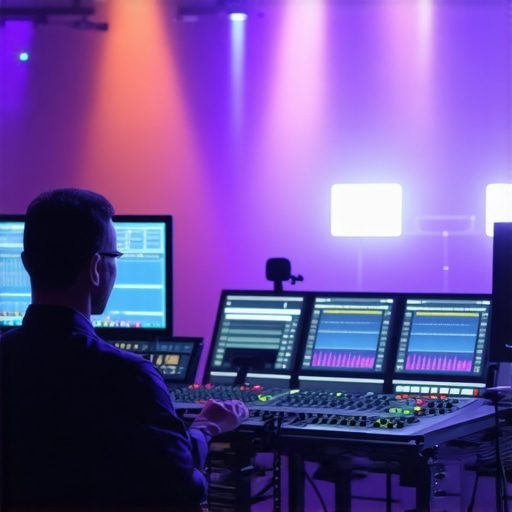
I’ll never forget the moment I watched a live event falter because of those dreaded silent pauses—dead air—that seem to creep in just when you least expect it. It’s like watching a perfectly choreographed dance stumble over an unexpected obstacle. Early in my career, I thought I could coast through these moments with canned speeches or generic music, but I soon learned that silence can be the most disruptive element of your event. That realization hit hard, almost embarrassing, when I saw how much trust eroded from a single awkward pause in front of a packed room.
Why Dead Air Can Make or Break Your Event
Dead air isn’t just an inconvenience; it’s a trust killer. When your audience experiences silence, especially in a high-stakes setting like a trade show or wedding, they start to question your professionalism. According to a study published by the Event Safety Alliance, audience engagement drops precipitously after even a 10-second silence, which can feel like an eternity in live production. The good news? I’ve found that a handful of powerful techniques—when executed with intention—can eliminate dead air and transform it into an opportunity to build genuine guest trust.
Have you ever been caught off guard by unexpected silence during your event?
Early on, I made the mistake of relying solely on scripted scripts, believing that rehearsed lines would drown out any awkward pauses. Instead, I learned that spontaneity and audience interaction are far more effective, especially when backed by proven tactics. Want to discover exactly how professionals turn these silent killers into moments of connection? Stick with me. We’ll dive into three secrets that can make your next event flow smoothly and leave your guests impressed.
Let’s get started with simple, actionable strategies so you can stop worrying about dead air and start focusing on creating memorable experiences.
Prepare Your Content and Equipment in Advance
Just like setting up a luxury restroom trailer before the event ensures smooth guest flow, pre-planning your cues and tools prevents unexpected silence. I recall organizing a hybrid corporate event where I doubled as host; I rehearsed transitional scripts and tested microphones hours before. When a technical glitch occurred, I effortlessly pivoted to a prepared anecdote, keeping the momentum alive and avoiding dead air. Keep a checklist of all equipment, backup batteries, and prompts, and rehearse your transitions to build confidence.
Engage Your Audience with Interactive Techniques
Think of your event like a party bus service—everyone needs to be engaged to keep the ride lively. After a sluggish start at a neighborhood soirée, I introduced quick poll questions via the event app. Instead of waiting awkwardly for responses, I acknowledged participants’ input and directed discussions around their answers. Using tools like live Q&As or asking for volunteers creates a sense of inclusion, reducing pauses and keeping energy high. For more ideas on elevating interactive engagement, see hybrid event tips.
Create Moments of Transition with Micro-Interactions
Rather than letting conversations or presentations hit a lull, introduce brief, planned micro-interactions—like a chocolate fountain rental that invites guests to indulge while waiting. I once hosted a wedding where the band faltered, setting a perfect moment for a magic demonstration I performed with sleight of hand tricks. This not only filled the silence but elevated the experience. Use visual cues, humor, or short stories to bridge segments—you’ll find that these small touches maintain flow and keep guests engaged.
Implement Strategic Pauses and Cues
Paradoxically, intentional pauses can prevent awkward silences. Think of them as the rhythm of a well-choreographed dance—pausing before key points creates anticipation. During a trade show, I used the pause before unveiling a new product as a moment to build excitement, rather than rushing through. Signal to your team when a pause is coming; for example, by citing a future topic or pointing at visual cues. This coordination ensures everyone is synchronized, avoiding accidental dead air. For more on trade show presentation techniques, check trade show tips.
Master the Art of Impromptu Speaking
Like expertly handling a party bus service during a sudden detour, being adaptable in your speech keeps the event flowing. I once encountered a misconnected microphone during a keynote; instead of pausing, I improvised a story related to the theme, engaging the audience instantly. Practice spontaneous remarks or anecdotes related to your core message. Keep a mental catalog of relevant stories or jokes that can be inserted seamlessly, transforming potential dead air into meaningful moments. For deeper insights into engaging speaking techniques, explore corporate keynote strategies.
Utilize Proper Event Rentals to Fill Gaps
Strategic event rentals like a temporary outdoor party tent or additional tables can be used purposefully to facilitate smooth transitions and avoid empty spaces—metaphorically filling the dead air. For example, I rented a small interactive tent for a product launch, which provided a dedicated space for demos when presenters needed a moment. Planning these elements ahead ensures your event maintains energy, even during unforeseen pauses. To prevent logistics mishaps, consider consulting with rental experts and anchoring your setup plan with insights from event tent solutions.
Simplify Transitions with Seamless Program Flow
Design your schedule like a well-paced routine—quick shifts from one activity to the next minimize downtime. I favor brief, dynamic segments over long monologues; this approach mirrors the rapid tempo of a dance floor, which you can enhance further with effective dance floor tactics. Use visual aids, music, or short videos to shift focus naturally. Rehearsal is crucial; during one wedding, I timed each segment to prevent gaps, securing a lively atmosphere from start to finish.
Leverage Professional Event Assistance for Smooth Flow
Partner with event rental companies that offer full-service packages—tidying logistics is like having a reliable party bus service driver ensuring a smooth ride. I collaborated with a full-service vendor for a recent gala; their team anticipated potential issues and suggested real-time solutions, preventing dead air during crucial moments. Investing in experienced support means less stress and more control over your event’s flow. For tailored solutions, see event support experts.
Many event professionals believe that integrating high-end equipment like luxury restroom trailers or elaborate outdoor tents automatically guarantees success. However, the truth is that without understanding the nuanced drivers of guest experience, these assets can become liabilities rather than assets. For example, investing heavily in a stylish event tent might seem like a surefire way to impress, but if the flow isn’t carefully managed—such as by properly planning ingress and egress—you risk creating bottlenecks that frustrate attendees. It’s a common myth that more expensive or grand assets equate to better guest satisfaction. Instead, strategic placement and integration matter more, a point emphasized by experts in event logistics. Remember, even a sleek party bus service can backfire if timing isn’t meticulously synchronized with other event elements, leading to gaps in flow that diminish overall impact. When considering AI corporate integration, many assume that automation will effortlessly elevate their event; yet, neglecting the importance of human oversight can result in awkward interactions or technical glitches. This is where understanding the underlying nuances becomes critical—using AI as a complement, not a crutch, enhances authenticity and engagement. Moreover, catering for weddings often gets oversimplified, with many assuming that a beautiful menu suffices. In reality, dietary accommodations and presentation styles should be tailored to align with the event’s emotional tone, avoiding the common mistake of generic offerings that disconnect guests. Advanced planning also involves recognizing the pitfalls of hybrid event services. Merely switching between virtual and in-person formats without seamless content flow can lead to disjointed experiences, ultimately alienating audiences on both ends. Revealing some of these overlooked details is crucial for elevating your event from mediocre to memorable. Failing to anticipate the ‘oops’ factor—such as technical failures during live demonstrations or misjudged pacing—can jeopardize your event’s credibility. To avoid these pitfalls, meticulous pre-event testing and rehearsals are non-negotiable. Implementing strategic micro-interactions, like quick polls or social media integration, can counteract potential dead air, but only if integrated thoughtfully—otherwise, they risk feeling disjointed or intrusive. Make sure you avoid common traps by coordinating all elements cohesively, which frequently gets overlooked amid the complexity of large-scale planning. Incorporating insights from industry research and expert opinions underscores that successful event execution hinges more on nuanced understanding than on simply deploying high-cost assets. So, next time you’re tempted to focus solely on the flashy components, pause and examine if the underlying flow and guest experience will truly benefit. Ready to re-evaluate your approach? Let me know in the comments if you’ve ever fallen into this trap, and I’ll share more tips on mastering the fine details—like perfecting trade show booth flow or optimizing event rentals—to ensure your next event runs flawlessly.
In the fast-paced world of event planning, having reliable tools is essential to maintaining seamless flow and guest engagement. Just as a luxury restroom trailer requires regular maintenance to uphold its VIP standard, your event tech and equipment demand dedicated attention and the right approach for longevity. From sound systems to interactive rentals, I rely on specific software and methodologies that keep everything ticking smoothly.
One tool I swear by is QSC’s Q-SYS Ecosystem. It’s a comprehensive audio-visual control platform that allows me to manage multiple sound and visual sources with ease. For instance, during a hybrid wedding, I used Q-SYS to simultaneously handle live feeds, microphone levels, and background music, ensuring no dead air or technical hiccups. The system’s built-in diagnostics provide real-time insights, making troubleshooting straightforward and preventing minor glitches from escalating into event-halting issues.
Complementing hardware, Obsidian Live Event Software is my go-to for scheduling and live cue management. It’s intuitive interface helps synchronize speeches, performances, and micro-interactions, aligning perfectly with my micro-interaction tactics like quick polls or visual cues. This synchronization is crucial, especially when coordinating outdoor tents and catering setups, where timing is everything. Regular updates and staff training on these tools are vital; I schedule quarterly review sessions to address glitches or optimize workflows, similar to routine maintenance of a party bus fleet.
Looking ahead, I predict that event technology will lean further towards automation with advanced AI integration, minimizing human error and reducing downtime during transitions. Staying ahead means investing in maintenance protocols that incorporate predictive analytics—tools like AI-driven personalization will become critical components of long-term event success. To maintain this edge, I recommend regular system audits and staff training, ensuring everyone is proficient with new features and quick to respond to emerging issues.
How do I maintain equipment over time?
Consistency is key. I adhere to a strict preventative maintenance schedule, which includes cleaning, calibration, and firmware updates for all tech, mirroring best practices used in managing large-scale event rentals like outdoor tents or interactive magic props. Keeping records of service history helps me identify recurring issues and plan upgrades proactively, reducing the risk of unforeseen failures during events. Additionally, establishing vendor relationships for rapid support ensures quick turnaround on repairs—essential during big trade shows or weddings where downtime can be costly.
Finally, leveraging checklists for setup and pack-down routines helps streamline processes and catch issues early. I also solicit feedback from staff after each event to identify potential improvements. Think of it as fine-tuning a racing car; small adjustments in maintenance routines compound to deliver top performance over time. Implementing these practices regularly keeps my event operation running at peak efficiency, ensuring that equipment remains reliable even during back-to-back engagements.
To stay prepared, I always recommend trying out automation tools and establishing clear maintenance routines. For example, integrating predictive diagnostics into your AV systems can save countless hours and avoid embarrassing failures. Ready to elevate your equipment management? Give these advanced maintenance strategies a try, and share your experiences in the comments below!
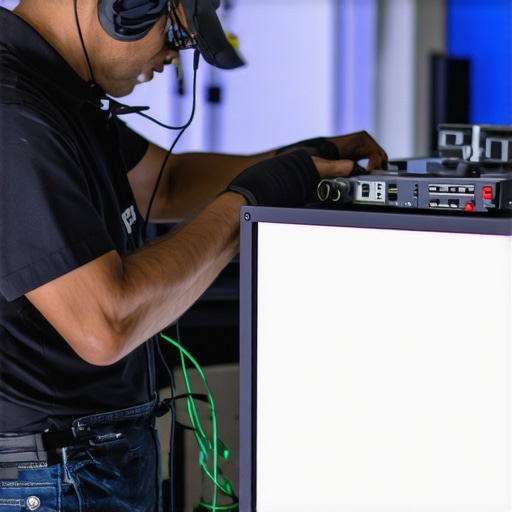
Lessons from the Frontline of Event Magic You Won’t Find Elsewhere
- My biggest surprise was realizing that even high-end assets like luxury restroom trailers or elaborate outdoor tents won’t save an event with poor flow. True mastery comes from understanding how to seamlessly connect every element, ensuring guests stay engaged without feeling overwhelmed.
- Handling unpredictable moments—like a sudden mic failure or an unexpected lull—taught me that spontaneity, backed by thorough preparation, can turn potential disasters into memorable highlights. Cultivating a calm presence and quick improvisation skills makes all the difference.
- Investing in the right tools, such as advanced control systems and scheduling software, isn’t just about bells and whistles. It’s about building a reliable infrastructure that supports effortless transitions and keeps dead air at bay, creating an experience guests will talk about long after.
- Understanding the nuances of guest psychology—like when micro-interactions or micro-interruptions can energize rather than disrupt—offers a strategic edge. This insight transforms static moments into dynamic, trust-building opportunities.
This Is My Toolkit for Event Success That You Can Trust
- Q-SYS Ecosystem: A powerhouse for managing complex audio-visual needs, I rely on its diagnostics to troubleshoot instantly, maintaining momentum.
- Obsidian Live Software: Perfect for synchronized cues and scheduling, it helps me coordinate everything from micro-interactions to guest flow seamlessly.
- Event Rentals from Trusted Vendors: Equipment like tents, dancing floors, and interactive props require regular maintenance and strategic placement—these resources make or break your flow.
- Online Resources and Industry Insights: Regularly updated blogs and case studies (like those found on this site) keep me ahead of emerging trends and pitfalls.
Embrace Your Role as the Architect of Unforgettable Moments
Every event is a story waiting to be told, and your attention to detail—how you manage flow, adapt to surprises, and connect with your guests—determines its success. Remember, the real magic isn’t just in the equipment or assets but in how you harness them to create an experience that resonates deeply. Don’t shy away from experimenting, learning, and refining your craft; your guests will thank you. How have you managed unexpected pauses or disruptions at your events? Share your stories below and let’s learn together to make every moment count.