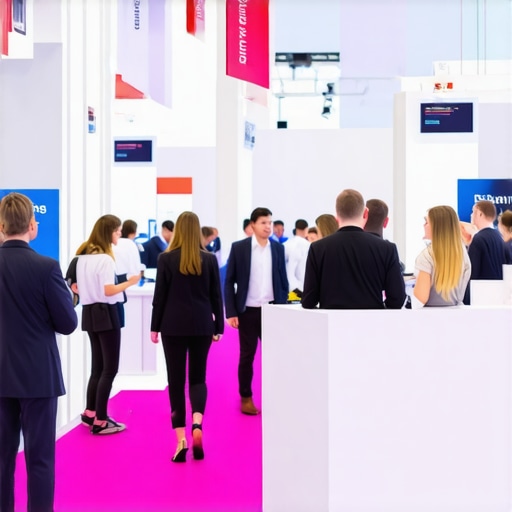
Walking into a crowded trade show, I’ve felt that familiar rush of excitement mixed with a sinking feeling—how do I capture attention without losing the leads I’ve worked so hard to attract? I remember one particular event when I thought I had everything under control, only to realize afterward that dozens of potential clients slipped through my fingers, just because my booth was cluttered and confusing. That moment hit me hard. I knew there had to be a smarter way.
Why Traditional Booth Setups Fail to Keep Visitors Engaged
Most of us set up trade show booths with good intentions—bright banners, eye-catching displays, and plenty of giveaways. But in my early days, I made the mistake of focusing solely on attracting crowds rather than guiding and retaining them. This oversight led to what industry insiders call “lead bleed,” where potential customers move on before the conversation even begins or, worse, forget which booth they visited.
The reality? Without a strategic setup that truly engages, your booth can quickly become just another stop on the exhibition circuit—forgettable and ineffective.
Interestingly, studies show that 80% of trade show leads are ignored or poorly nurtured after the event, primarily due to disorganized follow-up processes (source: EventMagicProx). But what if your booth could do more than just attract—what if it could hold attention and build trust from the moment visitors step in?
That’s exactly what I want to help you achieve. Over the next sections, I’ll reveal a powerful, guilt-free tactic that stops lead bleed dead in its tracks—something I discovered after countless trials and errors—and how you can implement it in your next trade show.
Feeling frustrated because your amazing booth often feels like it’s just a pretty face in the crowd? Trust me, I’ve been there. And I promise, with a little strategic tweak, you can turn your booth into a magnet that not only draws attention but keeps potential clients engaged and eager to connect.
Ready to transform your trade show approach? Let’s dive into the what, why, and how of this game-changing tactic.
Design a Visually Compelling Jungle Gym
Think of your booth as a playground, not just a display. Instead of a static stand, create a dynamic environment that invites visitors to explore. Use pipe and drape to craft pathways and zones, guiding visitors naturally through your space. Incorporate varied heights, textures, and interactive elements to spark curiosity—this is akin to building a jungle gym that children can’t resist climbing.
Leverage Interactive Technology to Win Visitors Over
Replace passive banners with engaging interactive event apps or touchscreens. By integrating AI-powered personalization, tailor content to visitor interests—imagine a digital concierge that learns their preferences and offers customized demos or info. This immediate relevance cuts through the noise and makes your booth memorable.
Create a Focal Point with Stage Magic or Live Demonstrations
Set up a dedicated demo zone where a skilled magician or presenter performs, drawing a crowd. Think of this as the stage in a theater—every element should lead the eye there. Use sleight of hand or compelling visual tricks to subtly showcase your product’s strengths. I once set up a demonstration with a dance floor rental as part of the act, which kept guests engaged for over 20 minutes—an eternity in trade show time.
Incorporate Themed and Immersive Elements
Bring your booth to life with a compelling theme—imagine strolling into a mini tropical paradise or a futuristic cityscape. Use immersive guest experiences to transport visitors. For example, I once created a mini theatre with themed lighting and sound, leading visitors through your product story as if they were in a movie. This creates an emotional bond, making your brand unforgettable.
Ensure Seamless Flow and Accessibility
Design your layout so visitors can navigate effortlessly, avoiding bottlenecks or dead ends. Think of your booth as a stage—every element must be visible and accessible from multiple angles. Use party photo booths wisely placed to encourage photo ops without blocking traffic. When I set up in a tight space, I used tent rentals creatively to carve out clear pathways, which resulted in more engagement and less congestion.
Practice Your Engagement System
Before the event, rehearse with your team to ensure smooth interactions. Consider implementing sleight-of-hand techniques in your presentation—small surprises that delight visitors and create shareable moments. I once turned a simple product demo into a magic trick, which led to dozens of social shares post-event. Remember, every visitor interaction is a chance to build trust and leave a lasting impression.
While many assume that a flashy booth or high-tech gadgets automatically secure visitor engagement, the real mastery lies in the meticulous details and psychological nuances often overlooked. For instance, a common myth is that flashy visuals alone attract attention—yet, in my experience, subtle sleight of hand techniques, such as strategic misdirection with sleight of hand, can create memorable moments that forge trust and curiosity. Focusing solely on surface-level aesthetics risks falling into the trap of superficial engagement. One mistake I see frequently is underestimating the importance of seamless flow and spatial psychology in booth layout design; a cluttered or convoluted setup not only confuses visitors but also diminishes their willingness to stay longer or interact meaningfully. An advanced pitfall is ignoring the power of immersive guest experiences, which, if executed thoughtfully, tap into emotional connections—turning passive viewers into active participants. A misconception is that interactive event apps can replace genuine human interaction; however, integrating AI-driven personalization elevates engagement by making each visitor feel uniquely valued, leading to higher trust and memorability. But beware—overusing tech without understanding its psychological impact can backfire, causing visitor fatigue rather than engagement. The advanced lesson is in balancing innovation with authentic storytelling and strategic theme consistency. An effective ballroom design isn’t just about aesthetics; it’s about creating visual pathways that guide visitors effortlessly, reducing stress and increasing dwell time.
What subtle design choices most influence visitor perception?
Often, little things like lighting angles, noise levels, and even scent can subconsciously impact engagement levels. These nuances, if calibrated correctly, turn a good booth into an unforgettable experience. So, next time you plan your setup, ask: am I leveraging these hidden psychological triggers? Are you guilty of overlooking these behind-the-scenes details? Let me know in the comments!Maintaining an engaging booth requires more than just initial setup; it hinges on having reliable, high-quality tools that support your interactive and magical elements. Personally, I swear by using the Roland VR-1HD Multi-Format Video Mixer for seamless live switching between demos and feeds. Its robust build and intuitive interface allow me to switch scenes instantly, ensuring the stage looks polished during live demonstrations or sleight-of-hand illusions, aligning with the tactics shared in sleight of hand. Regular maintenance of such equipment is crucial; I recommend scheduling quarterly checks to clean connections, update firmware, and test all functions, especially before the event season peaks. For digital content, I rely on Canva Pro for creating compelling visual aids, and Adobe Lightroom for refining images from your photobooth setup, both of which help maintain high-quality visuals that captivate visitors over time. Looking ahead, AI-driven tools like AI event personalization are poised to optimize interactions further by adapting content in real-time, making your booth even more memorable. To keep your interactive experience top-notch, invest in durable, high-quality cable management systems and backup power supplies—they prevent unexpected glitches that can derail your flow. Trust me, these small but essential tools keep your booth functioning smoothly, no matter how long the event runs. How do I maintain the tools that keep my booth working? I set up a dedicated maintenance kit with spare cables, adapters, cleaning supplies, and backup batteries, and I schedule routine checks weekly, especially before big events. Taking this proactive approach means fewer surprises and more time engaging with your audience. To really elevate your setup, I recommend trying a rugged, all-in-one portable AV system like the ZOOM LiveTrak L8. It allows for versatile audio mixing and recording on the fly, which is invaluable when managing multiple presenters or performances. By integrating this into your workflow, you ensure your stage setup services remain crisp and reliable throughout your event. Future trends suggest that automation and smart maintenance alerts will become standard, reducing manual oversight and preventing downtime before it happens. Ready to keep your booth running flawlessly? Start by investing in a high-quality mixer and establishing a routine maintenance schedule—your visitors will notice the difference.
What I Still Wish I Could Tell My Past Self
One of the toughest lessons I learned is that no amount of flashy visuals can compensate for poor visitor flow; seamless navigation and thoughtful layout are king. I used to believe that attracting visitors was about bold banners and eye-catching displays, but I realized afterward that strategic placement of pipe and drape and creating intuitive pathways drastically improved engagement. Additionally, layering immersive guest experiences transforms passive spectators into active participants, making your booth unforgettable. Another insight is that technology like AI-driven personalization isn’t a silver bullet but a component that, when combined with genuine human interactions, elevates trust and memorability. Lastly, I discovered that subtle psychological triggers, such as lighting angles, ambient scent, and sound, have a profound subconscious influence on visitor perception—sometimes more than the most elaborate setup. These behind-the-scenes details often determine whether your efforts resonate or fall flat.