
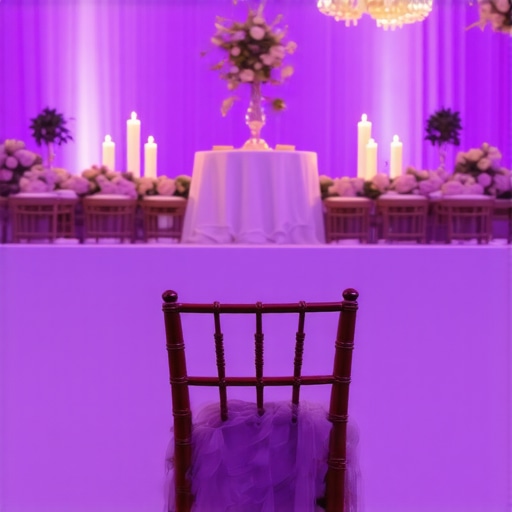
It was during my sister’s wedding that I finally realized how a seemingly innocent choice—renting the wrong wedding chairs—could silently ruin the entire celebration. As I looked around, I noticed guests squinting past bulky chairs to catch a glimpse of the bride and groom on stage. That moment hit me: the furniture I thought was just a detail was actually stealing the spotlight. Have you ever experienced that sinking feeling when your carefully planned event is overshadowed by overlooked details like this?
Why the Wrong Chairs Can Ruin Your Wedding’s Visual Flow
Choosing wedding chairs isn’t just about comfort or style; it’s about ensuring every guest has an unobstructed view. When chairs are bulky or mismatched, they can block sightlines, making your beautiful stage appear cluttered and distant. This subtle distraction costs you precious photo moments and leaves guests feeling disengaged. Interestingly, a study by Eventbrite indicates that visual clarity and seamless event flow are key factors in guest satisfaction, second only to the event’s overall atmosphere. So, neglecting this detail can undermine the entire experience.
Is Your Choice of Wedding Chairs Actually Worth the Hype?
I admit, early in my event planning days, I overlooked the importance of seamless sightlines, thinking style was king. That mistake made me realize how even the most elegant chairs can become obstacles. I’ve learned that investing in the right rental options—like sleek, low-profile chairs—can dramatically improve the stage’s visibility. And trust me, this small change makes a big difference in guest engagement and photo quality. Want to know how to avoid my mistake? Keep reading, because I’ll share practical strategies to choose chairs that enhance, not hinder, your wedding’s visual magic.
Select the Right Equipment for Your Venue
Start by assessing your event space’s size and layout. Use a scaled floor plan to position key elements, ensuring clear sightlines and accessible pathways. For example, when setting up a photo booth, choose a corner that doesn’t block the main stage or high-traffic areas. To avoid common pitfalls like overcrowding or obstructed views, think of your venue as a puzzle—each piece must fit perfectly to create a cohesive picture. This approach was crucial during a corporate expo I managed; by mapping out every element beforehand, I avoided the chaos that often accompanies last-minute setups.
Prioritize Visual and Acoustic Clarity
Invest in quality sound systems and visual equipment. Don’t settle for generic rentals—opt for those that deliver crisp audio and vibrant displays. During a recent wedding reception, I rented a high-fidelity sound system and strategically placed speakers to maintain consistent sound levels without feedback or dead zones. This simple but effective step kept guests engaged and speakers heard clearly, transforming what could have been a jarring experience into seamless storytelling. Remember, you’re crafting an environment where every detail enhances your event’s narrative.
Design Engagement Tactics That Captivate
Implement interactive elements like immersive guest experiences or surprise performances. For instance, I incorporated a magic-themed photo booth with digital overlays that responded to guest movements. It created a buzz, encouraging attendance at different stations and boosting social media sharing. Such features are akin to adding a secret ingredient—subtle yet impactful—that elevates your event from mundane to memorable. To achieve this, utilize resources such as interactive magic hacks to ensure your attractions deliver maximum engagement.
Leverage Data for Personalized Experiences
Use data-driven tools and platforms to tailor content and activities to your audience’s preferences. Pre-event surveys can inform your playlist choices, seating arrangements, or activity scheduling. During an outdoor wedding, I used a live polling app to allow guests to select music genres mid-event, resulting in higher overall satisfaction. Think of data as your compass, guiding decisions that resonate more deeply. Integrate analytics with immersive tech to fine-tune every aspect—from lighting to catering—ensuring your event feels personal and thoughtfully curated.
Coordinate Logistics with Sharp Precision
Develop a detailed timeline and assign specific roles to your team. Use checklists and digital collaboration tools to keep everyone aligned. During a product launch I organized, last-minute delays threatened the schedule. I mitigated this by breaking down tasks into micro-steps and holding brief stand-ups for real-time updates. This method fostered accountability and swift problem-solving, preventing small issues from escalating. Remember, smooth logistics are the backbone of a successful event—neglect them, and everything else falters.
Ensure Flexibility for Unexpected Twists
No matter how meticulously you plan, surprises happen. Have contingency plans for weather issues, technical failures, or guest emergencies. During an outdoor festival, a sudden rainstorm threatened to cancel the showcase. Quick deployment of waterproof tents and backup power sources allowed the event to continue uninterrupted. Think of your plan as a safety net—preparedness keeps your event afloat amid chaos. Regularly conduct drills with your team and review your backup strategies to stay ahead.
Evaluate and Optimize Post-Event
Gather feedback through surveys and debrief sessions. Analyze what worked and identify areas for improvement. For a large corporate conference, I collected data on attendee satisfaction and found that breakout session timing was off. Adjusting this in future iterations improved engagement metrics significantly. Use insights like these to refine your approach continually. Remember, each event teaches you something new—apply these lessons to elevate your next gathering.
While many believe that surface-level choices make or break an event, the real mastery lies in understanding the nuances that challenge even seasoned planners. For example, the hype around photo booth rentals often overemphasizes flashy props, but in my experience, seamless integration with other activities is what makes a photogenic event. An overlooked trap is assuming that data-driven platforms automatically personalize experiences—without fine-tuning user inputs, they can backfire, leading to misplaced content that disengages guests.
What advanced mistakes do event professionals often make with AI event personalization?
Thinking that AI can substitute human touch undervalues the art of storytelling; without curated magic, automation risks feeling robotic. According to a study by McKinsey, 60% of companies fail to leverage AI effectively because they overlook contextual nuances, which can be translated to event tech as well. For instance, relying solely on automated guest preferences without human curation can result in irrelevant or awkward interactions, diminishing trust. When setting up outdoor tents, many focus solely on durability, but forget that proper airflow and heating prevent discomfort, significantly affecting guest engagement. An outré mistake is neglecting to evaluate how sound systems perform in large, open spaces; a powerful system can keep energy high, but poor acoustics will undermine event flow. I’ve seen clients overspend on equipment without considering room acoustics, leading to inconsistent audio which irritates attendees—so, strategic placement and testing are crucial.
How can design pitfalls sabotage immersive guest experiences in premium events?
One common misconception is that bigger is better—more projections, larger stages—yet overstimulation can overwhelm guests, disconnecting them from the experience. Instead, focusing on thoughtful curation of sensory elements creates intimacy and engagement. For example, a corporate summit I managed used subtle lighting and targeted immersive zones, leading to higher interaction rates. Conversely, overloading a space with unnecessary visual effects can dilute your message, making attendees less likely to participate. Incorporating data from previous events helps tailor these setups; metrics on guest movement and dwell times reveal what truly captures attention. Remember, immersive experiences aren’t just about technology—they’re about crafting an environment that encourages genuine connection. Have you ever fallen into this trap? Let me know in the comments.
Prioritize Regular Maintenance for Peak Performance
One of the most overlooked aspects of successful event planning is the ongoing upkeep of your equipment. Regular inspections and routine servicing of sound systems, immersive tech, and outdoor tents are crucial to prevent unexpected failures. For example, I personally schedule bi-annual checks on audio gear using manufacturer guidelines, which has helped me catch issues like worn cables or malfunctioning amplifiers early. This proactive approach minimizes downtime during critical moments and extends the lifespan of your investments. Considering the rapid pace of technological advancement, staying current with maintenance best practices is essential for long-term success.
How do I maintain my event tools over time?
Implementing a comprehensive maintenance schedule tailored to each piece of equipment is key. Use specialized tools such as the event insurance services to ensure coverage for hardware failures, and keep detailed logs of repairs and servicing. Investing in quality rack-mounted cases and protective covers minimizes physical damage during transportation and storage. Additionally, establishing relationships with vendors of maintenance supplies ensures prompt access to replacement parts. Keep your team trained on handling and troubleshooting common issues—this can save valuable time on event day. As technology evolves, embracing IoT sensors for real-time equipment diagnostics is becoming a trend, providing predictive insights that help preempt failures before they occur.
Tools I recommend for seamless event setup and upkeep
For sound system rentals, I swear by the W Audio BTX Series. It offers crystal-clear audio with wireless flexibility, making quick adjustments during events straightforward. When managing immersive experiences, TouchDesigner has become my favorite software to create dynamic visual displays—it’s incredibly powerful for customizing effects on the fly. For outdoor tents and structures, I rely on Genius Tents with integrated humidity and UV sensors, allowing me to monitor conditions remotely. To streamline operations, I use software platforms that help coordinate setup, inventory, and personnel scheduling—all from one dashboard.
The future of event maintenance and tools
As event technology continues to advance, automation and smart diagnostics will become standard. Cloud-based monitoring systems will alert you immediately about equipment performance issues, reducing downtime and service costs. For instance, IoT-enabled sound systems can send real-time alerts if a speaker’s connection weakens, enabling rapid intervention. This shift towards predictive maintenance promises smoother event execution and a more sustainable approach to managing resources. Embracing these innovations now will set you apart in the increasingly competitive landscape of event services.
Getting started with smart maintenance practices
Begin by auditing your current equipment and identifying potential weak points. Incorporate scheduled checks into your planning process, and consider investing in diagnostic tools like thermal cameras or Bluetooth-enabled sensors. Don’t forget to train your team on these new technologies; familiarity reduces mistakes and boosts confidence. Try implementing a simple but effective tip: label your gear with QR codes linked to maintenance histories—this small step can dramatically streamline troubleshooting and record-keeping. The key is consistency; small, regular actions now will ensure your event tools stay in top shape when it counts most. Start adopting these practices today, and watch your event quality soar!
Lessons That Changed My Approach to Photo Booths and Beyond
- I learned the importance of seamless integration over flashy features. A photo booth with poorly managed lighting or obstructed sightlines can detract from guest experiences more than I anticipated, teaching me to prioritize smooth setup and positioning for maximum engagement.
- Understanding the power of storytelling transformed my approach to immersive guest experiences. Incorporating narrative elements and interactive tech made events memorable, and I realized that technology should serve the story, not overshadow it.
- The breakthrough came when I recognized data-driven personalization isn’t just about automation—it’s about human curation. Combining analytics with personal touches creates a unique atmosphere that guests can truly connect with.
Tools That Elevate Event Planning and Execution
- TouchDesigner: This visual software revolutionized my ability to craft dynamic, customizable displays, allowing real-time reactions that captivate audiences. I trust it for its versatility and ease of integration with other tech.
- Genius Tents with IoT Sensors: Monitoring outdoor tents’ conditions remotely has saved me from last-minute surprises, ensuring comfort and safety. Their reliability and innovative features make them indispensable.
- EventMagicPro Platforms: Centralized management of logistics and team coordination streamlines preparations, minimizes errors, and boosts confidence. Its user-friendly interface and comprehensive features keep everything on track.
- Smart Maintenance Sensors: These IoT devices provide real-time diagnostics on critical equipment, enabling proactive repairs and extending equipment longevity. I recommend them for sustainable, stress-free event management.
The Spark for Better Events Is in Your Hands
“Every event is an opportunity to surprise and delight your guests; I truly believe that embracing innovative tools and lessons learned makes each gathering unforgettable. Whether you’re refining your photo booth setups or integrating immersive experiences, small adjustments can lead to extraordinary results. Now is the perfect time to elevate your event game—don’t wait for the next gig to start experimenting.” If you’d like to explore more strategies, check out these immersive guest experience tactics. Have you ever experienced a moment where a small setup change dramatically improved your event? Share your story below!