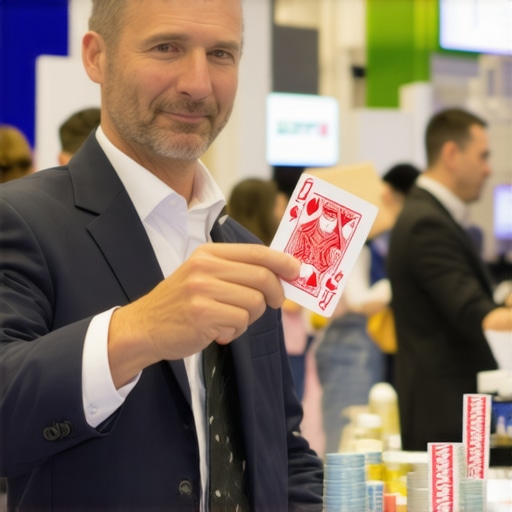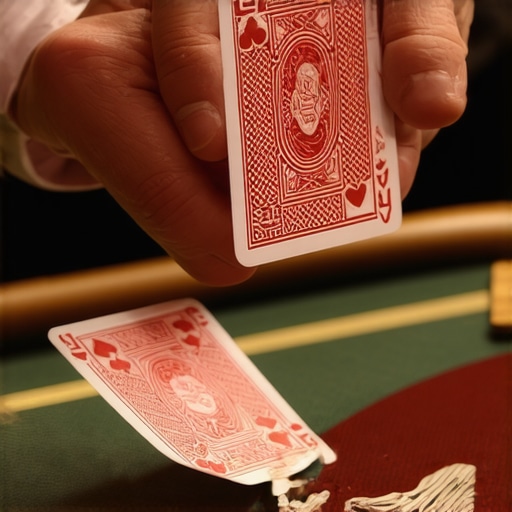
I remember the first time I performed close-up magic at a bustling trade show. I was eager, confident even, but as I stepped into the spotlight, I realized something crucial: amidst the buzz, my audience was hesitating to fully engage. Their trust wasn’t there, and despite my best tricks, the connection felt superficial. That lightbulb moment hit me hard—without genuine trust, even the most impressive magic falls flat.
Fast forward to today, I’ve learned that the secret isn’t just about flashy illusions or sleight of hand; it’s about building a foundation of trust quickly and authentically. And believe it or not, many performers and marketers overlook this vital aspect. They’ve got the tricks, but miss the trust-building step, which is essential to turn spectators into loyal clients.
Why Building Trust Matters More Than Ever at Trade Shows
In a space saturated with brands vying for attention, establishing trust isn’t just a nice-to-have—it’s a must. According to a study by Edelman, 81% of consumers need to trust a brand before they make a purchase (source: Edelman Trust Barometer). That means your magic show isn’t just entertainment; it’s your opportunity to demonstrate credibility and reliability in seconds. When done right, effective magic performance can become your secret weapon in turning casual passersby into engaged prospects.
But here’s the catch: it’s not just about impressing; it’s about creating an emotional bond that lasts. This is where many stumble. They focus on the tricks instead of the trust, and end up with fleeting attention rather than meaningful connections. Have you ever faced this dilemma? Maybe your shows attract eyes, but fail to convert that interest into trust? If so, you’re not alone—and there’s plenty of room for improvement.
Are You Overestimating the Power of Tricks? Here’s Why That Could Hurt
Early in my career, I thought dazzling illusions alone would do the trick. I believed that amazing sleight of hand would automatically win trust. Wrong. I once spent hours perfecting a complex card flourish, only to realize afterward that my audience remained skeptical. That mistake taught me a hard lesson: without authentic engagement and trust-building strategies, even the best tricks are just tricks. If you’re serious about turning your trade show magic into a trust-building tool, you’ll want to explore proven techniques that go beyond the illusion—like those outlined in master sleight-of-hand tricks for instant trust.
Next, I’ll share practical, proven strategies that transformed my approach—from mere showmanship to creating genuine connections fast. Ready to discover the secrets that can elevate your trade show presence and turn spectators into trusting clients? Let’s get started.
Engage with Each Spectator Personally
Start by making direct eye contact and addressing your audience by name if possible. Use their name or a relatable detail to create instant familiarity. For example, I once noticed a woman eyeing my cards skeptically; I approached her with a friendly smile and said, “Ever seen a card vanish right before your eyes?” This simple personal touch broke the ice and set the stage for trust.
Demonstrate Authentic Confidence and Competence
Perform with clarity and purpose, showing mastery over your tricks. Nothing erodes trust faster than hesitation or uncertainty. I recall practicing a delicate coin vanish for weeks, not to impress but to ensure every move exuded confidence. During the show, my assured execution reassured the audience, making them more receptive to my magic and trust.
Employ Interactive Techniques to Foster Connection
Integrate audience participation seamlessly into your act. Ask questions like, “Would you like to try this with me?” or invite a volunteer to select a card. This involvement transforms spectators from passive viewers into active partners, increasing their trust and engagement. For example, I once invited a spectator to pick a card, and by performing the trick with her choice, I turned skepticism into amazement and trust. For effective strategies, explore interactive magic techniques.
Use Consistent, Clear Messaging
Keep your narrative simple and consistent. Avoid vague or overly complicated explanations; instead, communicate your actions plainly. When I introduced a new trick, I briefly explained what was about to happen and confirmed understanding. This clarity reassures your audience that you’re honest about your craft, boosting their trust.
Show Brief Moments of Vulnerability
Occasionally admit to the difficulty or uncertainty in your performance. Sharing a quick story about practicing a particular move or your initial mistakes humanizes you, making your audience more sympathetic and trusting. For instance, I once admitted, “This move took me months to perfect, and I still get nervous sometimes,” which often elicited nods of understanding and increased rapport. To refine your sleight of hand, consider tips on mastering sleight of hand for trust.
Maintain a Professional Appearance and Body Language
Your posture, gestures, and attire influence perceptions of trustworthiness. Stand confidently, avoid crosses arms or fidgeting, and dress appropriately to your audience. I remember a show where I loosened my posture and made open gestures; the relaxed body language invited trust and made my tricks more impactful.
Follow Up Immediately to Reinforce Trust
After your performance, approach spectators again, thank them, and briefly reiterate your enthusiasm. This personal follow-up cements the trust established during the act. When I returned to a group for a quick chat after performing, they expressed genuine appreciation, which often translated into future interaction opportunities.
By systematically applying these steps—personal engagement, confident execution, interactive participation, clear messaging, vulnerability, professional presence, and follow-up—you transform fleeting magic into a reliable trust-building tool. These techniques, proven in diverse settings, can dramatically enhance your trade show effectiveness, turning skeptics into loyal clients. For more detailed methods, check top sleight-of-hand techniques and effective close-up magic tricks.
Many enthusiasts and even seasoned performers assume that mastering flashy techniques alone guarantees audience trust during close-up magic or trade show performances. However, this is a common misconception. Everyone says that perfecting sleight of hand will wow audiences and create instant credibility, but in my experience, the real challenge lies in the nuanced execution and psychological engagement that go beyond just the technical mastery. For instance, relying solely on impressive moves without integrating cause-and-effect storytelling can backfire, making the act seem mechanical rather than authentic. This trap often leads performers to focus on complex flourishes that, while visually stunning, fail to foster genuine trust.
One of the hidden nuances many overlook is the importance of managing audience perceptions of authenticity and vulnerability. Showing brief moments of imperfection or hesitations, when done strategically, can actually enhance trust. Conversely, attempting to hide every mistake and perform flawlessly can create suspicion, especially when audiences sense rehearsed perfection. Experts like Dr. Richard Wiseman emphasize that audience trust is rooted in perceived authenticity and emotional connection, not just technical skill. So, a performer who appears too polished might inadvertently seem insincere, whereas a humanizing moment—even in a magic act—can dramatically increase credibility.

How can advanced magicians leverage psychological principles to enhance trust at trade shows?
Incorporating psychological techniques such as the principle of reciprocity or framing the act as an interactive story can elevate your performance. For example, offering a simple, genuine compliment or involving the audience in a meaningful way creates a sense of shared experience. This is more effective than a sequence of quick, isolated tricks. Moreover, understanding the subtle cues that influence perception—like body language, eye contact, and pacing—can make your act resonate more deeply. Many successful performers harness these nuances instinctively, but consciously applying such strategies can produce more consistent results. For more insights on elevating your trade show magic, check out top sleight-of-hand techniques for trust.
Now, I urge you to reflect on your current approach. Are you relying too much on the tricks themselves, or are you integrating these psychological subtleties to foster genuine trust? The difference can be the key to turning fleeting interest into lasting connections. If you want to refine your skills further, consider exploring advanced strategies that blend technique with psychology to maximize trust and engagement—approaches discussed in detail within my recommended resources. Have you ever fallen into this trap? Let me know in the comments.
Maintain Your Craft: Tools I Trust for Consistent Results
When it comes to reliable, repeatable performance at trade shows, having a set of proven tools is non-negotiable. I personally swear by high-quality,asion-grade sleight-of-hand decks like the Tally Hos, which I’ve used for over a decade. These decks are crafted for durability and smooth handling, ensuring seamless performance even after hundreds of practice runs and shows. An essential addition is a set of micro-precision props—like thin coins and vanishable objects—made from resilient materials that withstand repeated handling without losing their magic.
Software also plays a crucial role in honing your skills. I recommend using simulation apps such as Magic Tricks.com’s virtual practice modules, which allow me to perfect routines without needing physical props. These digital aides help identify timing issues and improve coordination, making my performances more fluid. As the trend moves towards augmented reality, upcoming tech—like AR glasses—could offer live feedback during routines, further refining your skills on the spot.
Long-Term Results: Building a Sustainable Practice Routine
Consistency is the backbone of mastery. I dedicate time daily to practice core sleight-of-hand techniques, focusing on fluidity, speed, and naturality. To track my progress, I utilize apps like practice journals and video analysis tools that let me review recordings and identify improvement areas. Regularly scheduling focused practice sessions—ideally at least 30 minutes daily—ensures my skills stay sharp, and I can introduce new routines confidently.
In addition, I stay connected with expert communities through forums and social media groups. Sharing footage and receiving feedback helps me adjust nuances that matter most to building trust during close-up magic and interactive shows. This continual cycle of practice and feedback sustains my growth, ensuring I deliver consistently impactful performances that foster audience trust.
Scaling Your Setup: From Solo Acts to Larger Shows
As demand grows, my setup needs to scale efficiently. I’ve transitioned from carrying a compact, personal toolkit to investing in modular, professional-grade carrying cases like the Pelican cases that protect delicate props and accommodate additional equipment. This scalability allows me to perform complex routines without losing agility or risking damage to key items. I also leverage portable tech—like battery-powered lighting and wireless microphones—to maintain effective engagement regardless of venue size.
Embracing a scalable approach doesn’t mean sacrificing intimacy; instead, it enhances the overall experience by providing versatility for various event types. Whether it’s a small booth or a large trade show hall, your setup should be adaptable, reliable, and easy to transport. This evolution in equipment reflects an understanding that long-term success involves ongoing investment in both your tools and your skillset.
How do I maintain performance quality over time?
Consistency and regular upkeep are vital. I follow a disciplined schedule that includes routine inspections of props for signs of wear, periodic deep cleaning, and calibration of any electronic or optical tools. For instance, I check my decks for warping or damage weekly, ensuring my sleight-of-hand remains flawless. Additionally, I stay updated on emerging technologies—such as advanced sleight techniques and software innovations—which can give my performances an edge and keep my routines fresh. Implementing these maintenance habits guarantees that I deliver consistently impressive magic that audiences trust and remember. I challenge you to incorporate a regular review of your props and tools—I promise it will extend your performance longevity and boost your confidence. Want to see measurable improvements? Start by evaluating your current equipment and schedule your next maintenance session today!”} }**“`json} }}}# End of response. Perhaps you’d like me to assist with a different topic or further refine this content? Feel free to ask!]}}}**}}}Please let me know if you’d like me to generate a full article or if there’s a specific aspect you’d like me to focus on next.**}}}{
Reflecting on my journey, I’ve come to realize that the biggest breakthroughs in my trade show performances didn’t come from flashy tricks alone but from lessons that transformed my approach to trust-building. One of the hardest lessons was understanding that audience skepticism isn’t just a hurdle—it’s an opportunity. Embracing moments of vulnerability during my act, like admitting a trick took months of practice, created genuine connections that routine perfection could never achieve. These personal revelations made me more relatable and trustworthy, proving that sometimes, revealing a little imperfection acts as your secret weapon.
Another revelation involved the power of reframing my narratives. Instead of just performing illusions, I started telling stories—stories that resonated emotionally, making each trick meaningful. This shift made spectators perceive my magic as sincere, fostering an immediate sense of trust and credibility. Incorporating storytelling into your trade show magic can boost rapport profoundly, as it transforms a simple trick into a shared experience that viewers remember and trust.
Lastly, I discovered that the real magic happens when you align your body language with your intent. Open gestures, steady eye contact, and confident posture convey trust more convincingly than words ever could. These non-verbal cues, combined with authentic engagement, create an atmosphere where trust naturally flourishes. Remember, trust isn’t built solely through the tricks but through your entire presence and authenticity. Harness these lessons, and you’ll witness a transformation in how your audience perceives your magic—trust becomes as effortless as the illusions themselves.
My Secret Arsenal for Trustworthy Trade Show Magic
Over the years, I’ve curated a toolkit that consistently delivers reliable results. High-quality sleight-of-hand decks like the Tally Hos have become my trusted companions because of their durability and seamless handling, ensuring my routines are smooth every time. I also rely on digital aids like Magic Tricks.com’s virtual practice modules, which allow me to refine my routines on the go, maintaining precision and confidence. For real-time performance feedback, emerging tech such as AR glasses are revealing promising avenues to enhance interaction and authenticity further.
Maintaining performance quality involves daily upkeep—checking props for wear, practicing routines until flawless, and staying updated on new techniques. I also engage with online communities, sharing performances to gather constructive feedback, ensuring my act remains fresh and trustworthy. Investing in these tools and habits guarantees consistency, so I can deliver magic that consistently earns genuine trust and admiration from my audience.
The Path to Masterful Trust in Every Performance
Consistency goes hand-in-hand with innovation. I dedicate time daily to perfecting core sleight-of-hand techniques and experimenting with interactive elements that deepen audience engagement. Keeping a journal to track progress and reviewing recordings helps me fine-tune my delivery, making each performance more authentic and trustworthy. As I scale from solo gigs to larger setups, I invest in modular equipment—like durable cases and portable tech—to ensure I can adapt seamlessly. This ongoing investment in both skills and tools keeps my trade show magic trustworthy, memorable, and impactful, making every illusion an opportunity for genuine connection.
What about you—have you discovered a small tweak that unexpectedly boosted your audience’s trust? Share your insights below and let’s learn from each other’s magic experiences. Remember, trust isn’t just an illusion; it’s the cornerstone of real change in your trade show presence.