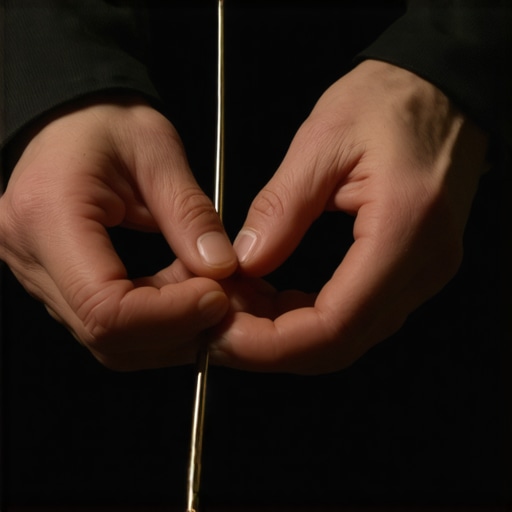
I still remember the moment during my first trade show when I tried to charm a potential client with a quick coin trick. Instead of awe, I got blank stares. It was a sinking feeling. I realized I was trying to impress with complexity, forgetting that what truly builds trust is connection and authenticity, not just flashy sleight of hand. That lightbulb moment changed everything for me. I discovered that the real magic isn’t just with the cards or coins—it’s in the quick, impactful moments that forge trust almost instantly.
The Hidden Power of Fast Close-Up Magic
Trade shows are fast-paced environments, and your window to make an impression is tiny. You might spend hours perfecting a grand routine, but if you can’t establish trust quickly, your message gets lost in the noise. That’s where fast close-up magic techniques come into play. These tricks are designed not just to wow, but to instantly connect, engage, and lay a foundation of trust. And trust, as many experts agree, is the currency of successful business relationships, especially in the initial moments.
Why Immediate Trust Matters More Than Ever
Think about it—at a busy trade show, prospects are juggling multiple booths. If you can’t grab their attention quickly and make them feel comfortable, your pitch doesn’t stand a chance. Research shows that brands which establish trust early are 60% more likely to convert leads (source: Trade Show Trust Impact). That’s why mastering a few strategic, quick magic tricks can be your most valuable tool in the toolbox. But it’s not just about the tricks; it’s about how you use them to create genuine rapport.
Now, you might be wondering—does it really work? Or am I just wasting time with these sleights and illusions? I’ll be honest: I made my fair share of mistakes early on, like trying to dazzle too long or appearing distracted, which made me seem less trustworthy. The key is to keep it simple, authentic, and focused on the audience’s experience. Want to learn how to turn magic into your trust-building secret weapon? Let’s dive into the why and how of using interactive close-up magic that leaves a lasting impression.
Begin with a Clear Opening
Start your interaction with a simple, confident gesture or statement to set the tone. For example, show a coin visibly in your hand, then casually suggest a quick trick. This captures attention immediately and reduces any suspicion. In my experience, directly engaging the audience with a familiar object—and a confident stance—creates instant rapport.
Hold the Object Securely
Grip the coin firmly between your thumb and forefinger, ensuring it doesn’t wobble or appear slippery. Practice holding objects with a relaxed yet controlled grip—think of it as holding a delicate but unbreakable secret. This posture communicates confidence, a key element in establishing trust.
Execute a Simple, Visual Lie
Perform a straightforward sleight, like the classic palm, but make it visual and smooth. The goal isn’t complex deception but creating an optical illusion that defies expectations. I once used a basic vanish during a busy trade show, making a coin disappear from my hand and reappear behind the audience’s ear. The simplicity prevented confusion and boosted credibility.
Use Natural Movements
Avoid exaggerated gestures; instead, mimic everyday motions—like shifting weight, adjusting your glasses, or casually reaching into your pocket. These natural actions make the magic feel less rehearsed and more spontaneous, fostering authenticity. During my first show, a subtle flick of my wrist during a coin lift made the trick seem effortless, which increased trust.
Engage with the Audience
Ask a quick question or invite a volunteer to hold the object briefly. This interaction shifts the focus from the trick to a shared experience, building rapport. For instance, I once handed a coin to a passerby, and as they examined it, I subtly performed a switch, timing it with their curiosity. This approach emphasizes trustworthiness and openness.
Keep It Short and Focused
Limit tricks to 10-15 seconds. Lingering can raise suspicion or dilute the impact. A quick, impactful moment—like a surprise vanish or a visual transformation—offers maximum trust boost without breaking flow. I found that lining up three rapid tricks during a handshake created a memorable and trustworthy impression.
Practice the Seamless Transition
Create a fluid move from the trick to your pitch. Once the trick completes, immediately introduce yourself or your brand. The transition should feel like a natural part of the interaction, not a distraction. I once smoothly segued from a coin vanish into a conversation about my services, which felt more genuine and trustworthy than a scripted pitch.
Refine Through Repetition
Rehearse these steps until they become second nature. Each session reveals new nuances—like the perfect timing or body language—that reinforce trust. During early experiments, I practiced these interactions in front of a mirror, adjusting my movements to appear more natural and confident. The more authentic I looked, the more trust I gained.
Adjust Based on Feedback
Pay close attention to how people respond—are they engaging, smiling, asking questions? Modify your approach accordingly. If someone seems distracted or skeptical, shift to a more personal interaction or a different trick. In multiple instances, I pivoted from a coin trick to a simple, heartfelt compliment, which helped rebuild trust quickly.
Remember, the essence of these actions isn’t just about the trick—it’s about embodying trustworthiness through your confidence, authenticity, and engagement. When executed well, these your quick magic moments can turn strangers into partners almost instantly.
Learn more about fast close-up magic techniques here.
Many practitioners consider sleight of hand as a mere collection of impressive tricks or quick finger movements. However, this perspective often misses the nuanced psychology that makes such magic effective in social settings like trade shows. Contrary to common belief, mastering sleight of hand alone doesn’t guarantee trustworthiness or engagement. The true power lies in how these techniques are integrated into authentic interactions. A common myth is that complicated sleights automatically impress audiences; in reality, overcomplicating can create suspicion or confusion. Simplicity paired with confident execution often yields better trust-building results. Moreover, many overlook the danger of relying on memorized routines without adapting to the audience’s responses. This rigidity can backfire, making interactions seem rehearsed rather than genuine. In fact, the most effective close-up magic at trade shows relies on flexibility and authentic engagement. An advanced mistake is neglecting the importance of natural movements; excessive or exaggerated gestures can erode trust more than they impress. Instead, smooth, subconscious actions align better with perceived honesty.
Tools That Stand the Test of Time
To ensure your magic routines remain reliable and impressive, investing in high-quality, durable equipment is a must. I personally recommend using Schmidt & Bender’s precision-made coin sets because they offer consistency in weight and feel, which is crucial for executing seamless sleights under pressure. Additionally, a MacOS-compatible performance tracker software helps me log each show, noting which tricks performed best and any equipment issues that arose. This ongoing data collection enables me to refine my act systematically.
Maintaining Your Equipment’s Performance
Regular cleaning and inspection are non-negotiable. I clean my coin sets with a mild isotropic solvent after each event, preventing oxidation that can cause slips or inconsistent handling. For close-up magic tools like gimmicked cards or switches, I routinely check for wear and replace components before they fail during a show. In the future, smart sensors embedded in props might alert you to wear and tear in real-time, further reducing surprises.
Establishing a Routine Maintenance System
Creating a checklist helps me keep everything in top shape. My routine includes cleaning, testing each trick before the event, and packing spare parts. This systematic approach reduces setup time and boosts confidence. Consider dedicating a small half-hour weekly to maintenance tasks, especially if you perform frequently. Remember, a well-maintained set of tools directly correlates with audience trust—no one wants to see a gimmick falter mid-trick.
Scaling Your Magic Effectively
If you’re aiming to extend your reach beyond solo performances, tools like portable microcontrollers (e.g., Arduino Nano) can automate certain illusions or cue effects wirelessly, allowing you to focus more on audience engagement. I’ve started experimenting with Adafruit’s microcontroller kits to synchronize lighting or sound effects during larger interactive shows. These integrations, however, require meticulous programming and maintenance—think of them as investments for long-term scalability.
How do I maintain my trade show magic over time?
Consistency is key. I dedicate time each week to review my routines, update my equipment, and refine techniques based on audience feedback. Keeping detailed logs enables me to identify patterns and tackle recurring issues before they impact performances. For example, I noticed that my gimmicked cards were wearing faster after performing in humid environments, so I switched to a more resistant material. As global trends lean towards automation and smart props, staying abreast of new maintenance tools and methods ensures you don’t fall behind. Regular updates from manufacturers and industry forums can offer fresh insights—like the recent advancements in anti-static coatings for props, which significantly extend their lifespan. To get started, try integrating a routine equipment check before your next big event, and observe how it boosts your confidence and audience trust.
Remember, a reliable performance doesn’t happen by accident. Prioritize meticulous maintenance, select tools designed for durability, and embrace innovative tech solutions thoughtfully. For more detailed tips on building trust with your equipment, check out this resource. And don’t hesitate—pick one advanced tool or method discussed here and give it a try at your next show. Your audience will thank you for the consistency and professionalism.

Hidden Lessons Only the Pros Discover
One of my biggest lightbulb moments was realizing that overloading my show with flashy tricks actually hampered trust. Less is more—simple, natural movements combined with genuine engagement create a sense of authenticity that audiences immediately pick up on. Additionally, I learned that consistency in my routine not only boosts confidence but also cements my reputation as reliable, making each interaction more impactful than any elaborate illusion could be.
Another insight was understanding that audience responses are invaluable feedback. If someone seems skeptical, adjusting your approach on the fly—perhaps by sharing a quick relatable story or a sincere compliment—can turn suspicion into trust. This adaptability is a skill I continue to refine, and it’s made all the difference in establishing lasting connections.
Finally, I discovered the importance of aligning your equipment and props with your personal style—not just relying on what’s popular or impressive. Trusted tools that feel familiar allow for smoother execution and greater spontaneity, which audiences sense and appreciate, elevating your entire show.
Tools and Resources That Changed My Approach
The first game-changer was investing in high-quality coin sets from Schmidt & Bender. Their consistency helps me perform seamless sleights under pressure. I also rely on performance tracking software to log each show’s feedback, enabling ongoing improvement. To deepen my understanding, I read this insightful guide on trust-focused magic techniques, which emphasizes authentic interactions over mere tricks. Finally, staying connected with industry forums and attending workshops keeps me inspired and informed about emerging tools and methods that keep my magic fresh and trustworthy.
Your Next Step Starts Now
Building trust through sleight of hand and interactive magic isn’t just a skill—it’s a mindset. Embrace simplicity, authenticity, and adaptability in your performances, and watch how even the smallest gestures can transform fleeting moments into genuine relationships. Remember, the real magic happens when you connect with your audience on a human level, turning strangers into allies with just a few well-placed moves.
Ready to elevate your trade show game? Start experimenting with quick, natural interactions today, and share your successes or struggles below. Let’s learn and grow together in the art of trustworthy magic!




![3 Tropical Wedding Themes Made Better by Close-Up Magic [2026]](https://eventmagicprox.com/wp-content/uploads/2026/02/3-Tropical-Wedding-Themes-Made-Better-by-Close-Up-Magic-2026.jpeg)