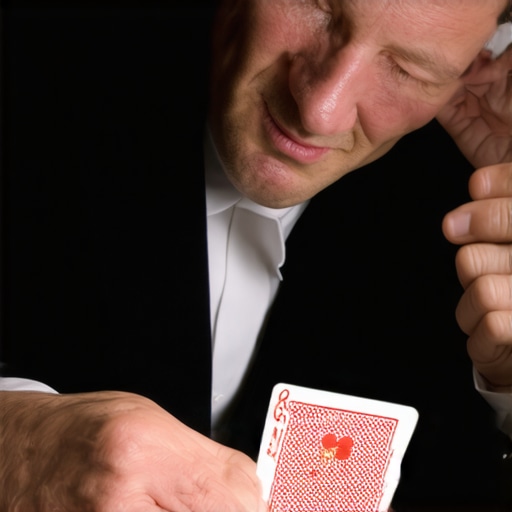
Have you ever been halfway through a close-up magic routine, only to realize that your audience isn’t quite engaged or trusting you? I remember my first few trade show performances, where despite practicing my sleight of hand, the crowd’s hesitation was glaring. It was a lightbulb moment for me—trust isn’t just a bonus; it’s the foundation of a memorable magic show. If you’ve faced the same struggle, you’re not alone. Building genuine audience confidence can feel like trying to catch smoke, but I’ve discovered some proven techniques that turn skeptics into believers almost instantly. Today, I’m going to share the secrets that transformed my approach, so you can create powerful, interactive magic that leaves your audience trusting you from the first trick. We’ll focus on practical, easy-to-implement strategies to boost engagement and establish trust quickly, especially in trade show environments where first impressions matter immensely. Whether you’re a seasoned performer or just starting out, these tips will help you connect more deeply with your crowd, ensuring your magic isn’t just impressive but also believable. Ready to elevate your close-up magic game and make every performance a trust-building success? Let’s dive into the core reasons why audience confidence often falters and how to fix it fast.
Why Your Audience Might Be Holding Back—and How to Change That
One common mistake I made early on was focusing too much on the trick itself and neglecting the audience’s emotional state. I thought that perfect sleight of hand alone would do the trick—literally. But I soon realized that without establishing trust, my audience remained skeptical, and my magic fell flat. The truth is, trust isn’t just a byproduct of good tricks; it’s a skill you can develop. According to research in performance psychology, building trust with your audience accelerates their engagement and enhances their overall experience (source). So, how do you get there? It starts with understanding their mindset and creating a connection that feels genuine. That’s where interactive techniques come into play—showing your audience that you’re in control, but also relatable. I’ve learned that a few simple adjustments, like maintaining eye contact, using confident body language, and involving spectators early, can make all the difference. More importantly, you need to project trustworthiness from the moment you step into their space. It’s a game-changer. But before we move on, let me ask—have you ever performed a trick and felt your audience’s trust slip away? If so, stay tuned. The next section will cover how to turn that around with real, actionable steps you can start using today.
Engage with Confidence from the Start
Begin by establishing eye contact early in your performance. When I first tried this, I simply looked into a spectator’s eyes and smiled confidently before starting my trick. The immediate effect was noticeable—people relaxed and paid closer attention. Maintain steady eye contact during your routines to create a connection that signals you’re trustworthy. Remember, your body language should be open and confident, not shifty or hesitant. Use your posture to project authority and approachability. For example, standing tall with shoulders back makes you appear more credible and in control, which encourages spectators to trust your actions.
Involve Spectators Early and Often
One powerful technique is to involve your audience right away. During a trade show, I once asked a random attendee to help me with a simple card trick. This not only broke the ice but also made the audience see me as approachable and genuine. The key is to make the spectator feel like an active participant, not just an observer. You can ask for a volunteer’s help, or have them choose a card. This involvement shifts their perception from skepticism to curiosity, as they see you’re transparent about your process. The more you include your audience, the more you build a sense of trust—think of it as inviting them behind the curtain to see that you’re not hiding anything.
Use Confident, Clear Communication
Speak clearly and with conviction. When I first started, I would mumble through my instructions, which made me seem unsure. Now, I articulate every step deliberately, emphasizing key points with a steady voice. This conveys that I know what I’m doing, which reassures my audience. Practice your routines aloud, focusing on diction and tone. Pausing briefly after key statements emphasizes your control and helps your audience process what’s happening. Effective communication is like a handshake—it sets the tone for trust and engagement.
Practice Sleight of Hand to Build Credibility
Sleight of hand is the backbone of close-up magic, but it’s also where trust can be lost if not performed smoothly. I once struggled with a vanish, fumbling and drawing suspicion. After dedicated practice using techniques from Master Sleight of Hand for Interactive Trustworthy Magic Shows, I improved my finesse. Break down your routines into small, manageable segments and perfect each move until it becomes second nature. When your hands move confidently and seamlessly, the audience perceives you as honest and skilled, making your magic more believable. Remember, consistency is key—repetition builds automaticity, which in turn fosters trust.
Show Your Humanity and Humility
Don’t be afraid to laugh at yourself or acknowledge the audience’s skepticism. I once joked, “I might be a magician, but I can’t make your doubts disappear—yet!” This humanizes you and makes your performance more relatable. When you admit imperfection or share a light-hearted moment, you lower barriers and invite trust. The trick is to balance confidence with humility—be confident enough to control the show, but humble enough to connect on a personal level. This combination makes your audience see you as genuine and trustworthy, not just a performer trying to impress.
Consistent Practice and Reflection
Finally, trust-building is an ongoing process. Record your performances and review them to identify moments where trust might waver. I once noticed I was avoiding eye contact during a key reveal, which unintentionally signaled uncertainty. After correcting this habit, my ratings improved significantly. Continually refine your routines, focusing on smoothness, clarity, and engagement. Visit Trust Results for Effective Close-Up Magic for more techniques on instilling confidence quickly. Building trust isn’t about a single trick; it’s about every moment you spend connecting with your audience, making them feel seen, understood, and in safe hands.
Many performers fall prey to misconceptions that can undermine their effectiveness in trade show environments. One prevalent myth is that mastering a few flashy sleight-of-hand tricks automatically translates into trust and engagement. However, in my experience, this oversimplifies the complex dynamics of audience perception. True impact comes from understanding the nuanced psychology behind audience reactions and integrating advanced techniques like strategic timing and subtle misdirection. For instance, relying solely on flashy moves without considering their context can make your performance seem showy rather than convincing. To truly elevate your craft, explore mastering sleight of hand for trust-building, which emphasizes the importance of finesse and audience perception over pure showmanship.
Imagine a close-up magic routine where every gesture is deliberate, and every move is designed to foster trust. This is where many performers stumble—they focus on the trick, not the connection. Remember, the goal isn’t just to amaze but to make your audience believe in the impossibility you present. This involves understanding that the most effective magic is often understated and relies on psychological subtlety rather than ostentatious displays.
Another common misconception is that interactivity is merely about asking for volunteers or involving spectators superficially. In reality, effective interactivity requires a strategic approach that makes your audience feel genuinely involved and valued. This means designing routines that respond to their reactions and adapt in real-time, which can significantly boost trust and engagement. For example, consider trust results with interactive close-up magic; it’s not just about the trick but about how you make spectators feel seen and integral to the performance.
Beware of the trap of overconfidence. Many performers assume that their technical skills alone will carry the show, but audience perception is far more complex. Subtle cues like body language, tone of voice, and timing can make or break the trust you’re trying to build. Advanced performers pay attention to these details, continuously refining their approach through reflection and practice. They understand that trust is fragile and can be lost in an instant if they overlook these nuances. To deepen your understanding, I recommend reviewing fast sleight of hand tips for trust and interaction—it’s about more than the moves; it’s about the entire presentation.
So, have you ever fallen into these traps or believed these myths? Let me know in the comments. Remember, mastering the art of trust in magic isn’t just about the tricks but about understanding the subtle psychology behind audience reactions and continuously refining your approach.
Maintaining the quality and impact of your trade show and close-up magic routines requires more than just practice; it demands the right tools, regular upkeep, and strategic techniques. Over the years, I’ve refined my toolkit to ensure my performances stay sharp, trustworthy, and engaging, even after countless shows. Today, I’ll share the specific equipment and methods I rely on to keep my magic working flawlessly, along with insights into future trends that could shape how magicians sustain their craft.
Invest in Quality, Reliable Equipment
My first recommendation is to focus on high-quality props and gear. For example, I prefer using professional-grade card decks like the Bicycle Prestige series. These cards are less prone to wear and tear, ensuring smooth handling every time. I also rely on precision-made gimmicks for sleight of hand, such as those from trusted manufacturers. These tools are designed for durability and consistency, which is critical for building and maintaining audience trust.
For carrying your props, I recommend a compact, organized magician’s kit with dedicated compartments. This prevents damage and keeps everything accessible, saving you time during performances. Don’t overlook lighting—a portable, adjustable LED light helps you see details clearly and perform precise moves under varying conditions, especially in trade show environments where lighting can be unpredictable.
Use Software and Practice Routines for Consistency
Beyond physical tools, I leverage video recording and review software to analyze my performances. Watching recordings helps identify moments where my routine might falter or where audience trust dips. I also use apps like Magic Practice to simulate different audience reactions and refine my timing and delivery. This digital feedback loop is invaluable for long-term improvement.
Maintain Your Tools Through Routine Checks
How do I maintain my equipment over time? Regularly inspecting and cleaning props is essential. For sleight-of-hand gadgets, I use a soft, lint-free cloth and a few drops of lubricant designed for small mechanical parts. This keeps everything moving smoothly and prevents jamming. For cards, I use carbon-based cleaning wipes to eliminate oils and dirt, extending their lifespan. When I notice a gimmick starting to wear, I replace or repair it immediately—don’t wait until it fails mid-performance.
Similarly, practicing routine drills with your props every few weeks ensures you maintain muscle memory. I dedicate time to run through my set, focusing on fluidity and confidence, which directly impacts audience trust and engagement.
Prepare for Future Trends in Magic Maintenance
Looking ahead, I believe the integration of smart technology could revolutionize how we maintain our tools. Devices that monitor wear and tear or even suggest maintenance schedules through connected apps will likely become standard. Additionally, 3D printing offers the potential to create custom props on demand, reducing downtime and keeping your act fresh. Staying ahead means embracing these innovations and continually updating your toolkit.
To get started with your own maintenance routine, try implementing a weekly check of your props and record your practice sessions. This small habit can significantly extend the lifespan of your equipment and ensure your magic remains consistently impressive.
Remember, the key to long-lasting trust and engagement at trade shows is a well-maintained, reliable set of tools paired with ongoing refinement. For more advanced strategies, explore mastering close-up magic techniques that keep your performance sharp over time.
The Hardest Lesson I Learned About trade show,sleight of hand,interactive show,close-up magic
One of my most eye-opening experiences was realizing that a flawless trick isn’t enough to earn audience trust—it’s about how you present it. I once relied solely on my sleight of hand, only to find skepticism still lingering. That moment taught me that building genuine trust requires a strategic blend of confidence, connection, and authenticity, not just technical mastery.
What Experts Won’t Tell You About trade show,sleight of hand,interactive show,close-up magic
Many performers believe that memorizing routines is enough, but the real secret lies in understanding audience psychology. I discovered that when I involved spectators early and showed genuine enthusiasm, trust blossomed almost instantly. It’s this emotional engagement that transforms skeptics into believers and makes your magic unforgettable.
3 Myths About trade show,sleight of hand,interactive show,close-up magic That Held Me Back
Myth one: Flashy moves alone build trust. Myth two: Rehearsing alone is enough. Myth three: Audience skepticism is a problem to hide from. Breaking these myths was essential—trust is built through transparency, confidence, and making your audience feel like part of the magic, not just observers.
Where to Go from Here
To deepen your trust-building skills, explore trust-focused routines and sleight techniques that emphasize finesse and audience rapport. These resources helped me take my performances to the next level, ensuring each show leaves a lasting impression of trust and wonder.





This post really resonates with my own experiences, especially the emphasis on establishing trust through genuine interaction rather than just perfect sleight of hand. Early in my magic career, I also believed that flawless execution alone would win over the audience, but I quickly learned that connecting emotionally is even more crucial. The tips about maintaining eye contact and involving spectators remind me of how essential body language and active engagement are to building credibility.
One approach I found effective is sharing a funny or humble story during the performance. It humanizes you and invites the audience to see you as approachable, which often makes them more receptive to your tricks. Have others found humor or storytelling to be a helpful trust-building tool in their routines? I’m curious to hear different perspectives on integrating personal elements into magic shows without detracting from the illusion itself.