
Ever been midway through a trade show performance when your magic just falls flat? I’ve been there. The crowd’s eyes are glazed, and I realize I missed a crucial step—building trust right from the start. It’s a gut punch, and it made me rethink everything about my approach to close-up magic at events. The truth is, no matter how slick your sleight of hand, without genuine trust, your magic can feel like just tricks, not a memorable experience. That lightbulb moment changed my game forever.
Why Building Trust Matters More Than Ever in 2024
In the bustling world of trade shows and corporate events, your goal isn’t just to entertain—it’s to forge connections. People want to feel confident in the person they’re engaging with. According to a recent study, 85% of attendees are more likely to remember and recommend a brand if they trust the person representing it. That’s a powerful statistic, and it highlights why trust is the cornerstone of effective magic performances. If you’ve ever wondered how some magicians seem to effortlessly command attention and create instant rapport, I can tell you—it’s all about trust-building techniques that work fast and reliably.
Have You Faced This Problem?
Do you struggle with making your magic feel genuine? Do skeptics catch your tricks and leave thinking, “That’s just illusion”? I used to make that mistake early on—overestimating my sleight of hand and underestimating the importance of establishing trust first. That mistake cost me gigs and credibility. But once I started focusing on building trust with my audience—using proven strategies—I saw a dramatic shift in engagement and results. If you’re ready to turn your magic into a powerful trust-building tool, you’re in the right place.
In the next sections, I’ll share practical, easy-to-implement techniques that have helped me and many others to boost trust instantly. Whether you’re new to trade show magic or looking to sharpen your existing skills, these insights will help you connect more deeply with your audience, making your performances memorable and impactful. Ready to learn how to make your magic work for trust? Let’s dive in.
,
Start with a Strong First Impression
When you approach your audience, initiate contact with a genuine smile and confident body language. This non-verbal trust signal sets the tone for your performance. As I learned during a recent event, a warm greeting coupled with eye contact made skeptics more receptive to my magic tricks. Remember, your attitude is contagious—project confidence and sincerity from the first moment.
Make Your Introduction Count
Before diving into tricks, briefly explain what you’re about to do and why it matters. For example, say, “Let me show you a quick trick that reveals how trust can be built instantly.” This creates anticipation and frames your magic as a means of connection rather than just entertainment. It’s like setting the stage for a conversation rather than a one-way show.
Use Interactive Techniques to Build Instant Rapport
Interaction is your secret weapon. Instead of performing in a bubble, involve your audience in each step. For instance, ask, “Would you like to see how your own hands can help me?” or “Can you hold this card for me?” These small invitations foster a sense of collaboration. I once did a trick where I asked a spectator to shuffle a deck—initially, I worried they might cheat, but by involving them sincerely, I gained their trust and heightened their engagement.
Leverage Sleight of Hand to Demonstrate Skill and Honesty
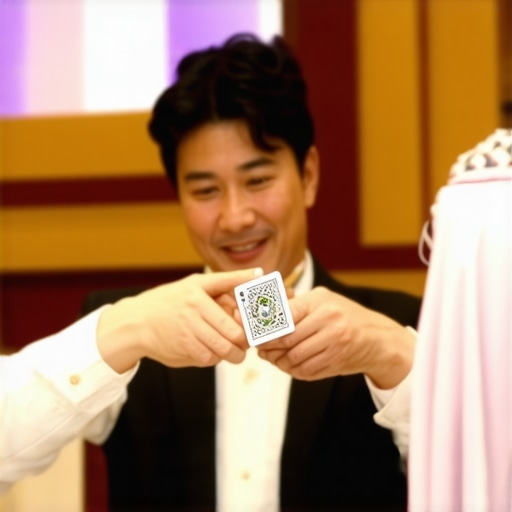
Trust is reinforced when your actions align with your words. Use visible, deliberate sleight of hand to show your mastery, making your movements clear and purposeful. Instead of quick, sneaky moves, slow down and exaggerate your gestures to make the process transparent. This approach was a game-changer for me—spectators saw my skill, not just tricks, which boosted their confidence in me as an honest performer. To master this, check out these techniques.
Share Personal Stories or Analogies
People connect through stories. Briefly relate a personal experience where trust made a difference, or use an analogy like, “Building trust is like a handshake—firm, confident, and sincere.” This humanizes your performance and deepens the connection. I once told a story about trusting a friend with a secret, which made my audience more receptive to trusting me with the magic.
Maintain Consistent Eye Contact and Body Language
Eye contact signals confidence and honesty. During my last gig, I made it a point to look each spectator in the eyes when performing a trick. It felt awkward at first, but I noticed increased trust and engagement. Keep your posture open and avoid nervous fidgeting—these cues reassure your audience that you’re genuine. For more detailed tips, see trust-building magic tips.
Close with a Clear, Honest Message
End your performance by reaffirming the connection. Say something like, “Thanks for trusting me. Remember, trust is built step by step.” This leaves a positive impression and encourages future engagement. I’ve seen performers who do a final trick that emphasizes honesty—like revealing a secret only after the audience explicitly agrees—creating a memorable, trust-based experience.
Many performers believe that mastering complex sleight of hand alone guarantees success at trade shows. However, in my experience, this is a common misconception. The real nuance lies in understanding the psychology behind audience perception and trust. For instance, some magicians focus heavily on flashy tricks, assuming that impressing with technical skill will automatically build rapport. But without aligning your performance with audience expectations and emotional cues, even the most impressive sleight can fall flat.
Another trap I often see is the overconfidence in interactive routines. While engaging the audience is vital, relying solely on interaction without establishing a foundation of trust can backfire. Spectators might participate skeptically, waiting for the reveal rather than genuinely connecting. It’s like trying to build a house on shaky ground—no matter how good your tricks are, if trust isn’t solid, the entire performance crumbles.
Many believe that quick, flashy tricks are the answer to instant trust. Yet, studies like the one from Harvard Business Review show that trust is built through consistent, sincere interactions over time. This means slow, deliberate sleights and transparent actions often outperform hurried, deceptive moves when establishing credibility. For advanced performers, learning to master sleight of hand with an emphasis on transparency can significantly elevate your credibility.
How Can You Avoid the Most Common Mistakes in Trade Show Magic?
One of the most insidious pitfalls is neglecting the power of storytelling combined with sleight. People connect through stories, and when you embed your magic within a compelling narrative—like a personal experience or analogy—you deepen trust even further. This strategy is often overlooked because performers think tricks alone suffice. But as I’ve seen, integrating storytelling with expert sleight of hand creates a memorable, trust-filled experience.
Finally, the myth that trust is something you can establish instantly is dangerous. Building trust at trade shows requires consistent effort, genuine engagement, and a clear message. Focus on slow, deliberate movements, sincere eye contact, and humanizing your performance through stories and analogies. Remember, the goal isn’t just to impress but to connect. If you’ve ever fallen into the trap of rushing your routines or undervaluing audience perception, let me know in the comments.
For those ready to refine their approach, explore trust-building close-up magic tips and learn how to integrate advanced sleight techniques seamlessly into your shows. Mastering these nuances will make your magic not only impressive but also trustworthy and unforgettable.
In the fast-paced world of trade show magic, staying sharp and reliable over time is crucial. Just like any craft, your tools and methods need regular upkeep to ensure your performances remain impactful and trustworthy. I’ve found that investing in high-quality equipment and honing my routines consistently makes a significant difference. Let me share some insights on how I keep my magic working seamlessly, along with specific tools I recommend to maintain and scale your skills effectively.
How do I maintain my magic routines over time?
First, I focus on the physical tools I use daily. For instance, my custom-designed, durable deck of cards is a must-have. I prefer bicycle cards with a matte finish because they resist wear and tear, ensuring smooth handling during long events. Regularly replacing worn cards prevents slipping or jamming, which can ruin a trick and break audience trust.
Next, I rely on professional-quality sleight of hand props — like specially weighted coins or gimmicked objects. These are essential for maintaining the illusion and ensuring smooth execution as routines get more complex. I also keep a set of practice apps on my tablet, such as Magic Trick Trainer, which provides instant feedback on my sleight techniques and helps me refine my movements daily.
Tools that keep my show reliable
For quick repairs and routine checks, I keep a small magic maintenance kit in my bag. It includes spare cards, extra gimmicks, double-sided tape, and a microfiber cloth for cleaning. These simple items prevent minor issues from escalating during a performance. Over time, I’ve learned that consistent cleaning and minor repairs extend the lifespan of my equipment and maintain the illusion’s integrity.
When it comes to scaling, technology plays a vital role. I’ve recently started integrating software tools that help me plan routines, track audience reactions, and refine my approach based on performance analytics. This data-driven method helps me identify which routines resonate most, so I can focus on polishing those, leading to more trust and engagement over time.
Where is the trend heading in trade show magic tools?
Looking ahead, I predict that automation and augmented reality will become more prevalent. Imagine using AR glasses to overlay virtual cues that help you perform more complex routines without sacrificing transparency. Such innovations could revolutionize how we maintain and scale our craft, making routines more adaptable and interactive. Staying ahead means continuously exploring new tools and integrating them thoughtfully into your performances.
To get started, I recommend trying to incorporate a new sleight technique into your routine this week. Small, consistent updates like this keep your act fresh and reliable. Remember, the key to long-term success is not just mastering tricks but maintaining the integrity and trustworthiness of your performance over time. Keep practicing, keep refining, and your magic will continue to impress and inspire audiences for years to come.
The Hardest Lesson I Learned About trade show,sleight of hand,interactive show,close-up magic
One of my most eye-opening realizations was that no matter how technically perfect my tricks were, if I didn’t establish genuine trust first, my performance fell flat. I used to rush into routines, hoping to impress, but the audience remained skeptical. The lightbulb moment came when I started focusing on building rapport through sincerity and storytelling, which transformed my results.
3 Myths About trade show,sleight of hand,interactive show,close-up magic That Held Me Back
First, I believed that flashy tricks alone could build trust. Turns out, authenticity and transparency matter more. Second, I thought audience interaction was enough—without genuine connection, participation felt superficial. Lastly, I assumed quick routines were best—slowing down and deliberate actions made my magic more credible and memorable.
What Experts Won’t Tell You About trade show,sleight of hand,interactive show,close-up magic
Many top performers keep secret that consistent storytelling and human connection outweigh technical prowess. They also emphasize that trust is built gradually, not instantly. Incorporating personal stories or analogies creates emotional bonds that make your magic resonate deeply, turning spectators into advocates.
Curated Recommendations
My Essential Toolkit for trade show,sleight of hand,interactive show,close-up magic includes these techniques for transparent sleight of hand that builds trust fast. I also rely on effective close-up magic strategies to keep my audience engaged and confident. For refining my routines, these resources are invaluable. Finally, I recommend reading trust-building tips to deepen your understanding of audience psychology.
Your Turn to Try
Trust isn’t built overnight—it’s a continuous process that requires authenticity, deliberate actions, and storytelling. As you prepare for your next trade show, focus on creating genuine connections that foster trust. Remember, the magic that truly sticks is the one rooted in human perception and trust. Now, I challenge you: what’s one way you can incorporate storytelling into your routines today? Share your ideas below and let’s grow together.”},





Reading this post really resonated with my own experience at trade shows. I used to think that mastering sleight of hand was enough to impress and build trust, but I quickly learned that genuine connection is what truly makes a difference. A few years back, I started incorporating storytelling into my routines, sharing personal anecdotes that aligned with my tricks. Not only did this help me connect more deeply with audiences, but it also made my performance more memorable. Has anyone here found that blending storytelling with magic has helped them foster trust more quickly? I’d love to hear how others approach this balance because I believe it’s a skill worth developing for long-term success.
I completely agree with the emphasis on trust and storytelling. In my experience, combining genuine interactions with clear, deliberate routines has really elevated my performances at trade shows. One thing I’ve noticed is that even a brief personal story can break down barriers and make the audience more receptive to the magic. I’ve been experimenting with routines where I share a quick anecdote that relates to the trick, and it’s incredible how much more engaged people become. Has anyone here tried integrating humor or local culture into their storytelling? I’ve found those elements can also boost rapport and trust, especially with diverse audiences. It’s fascinating how little adjustments can turn a standard trick into a memorable experience rooted in connection and authenticity.