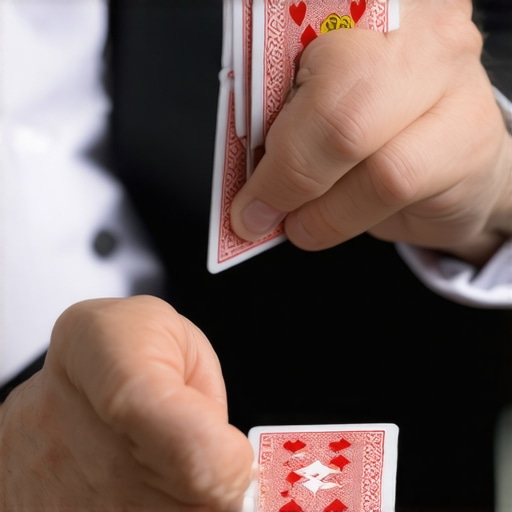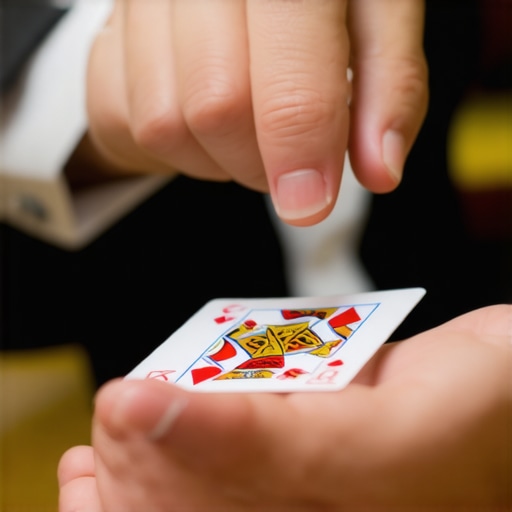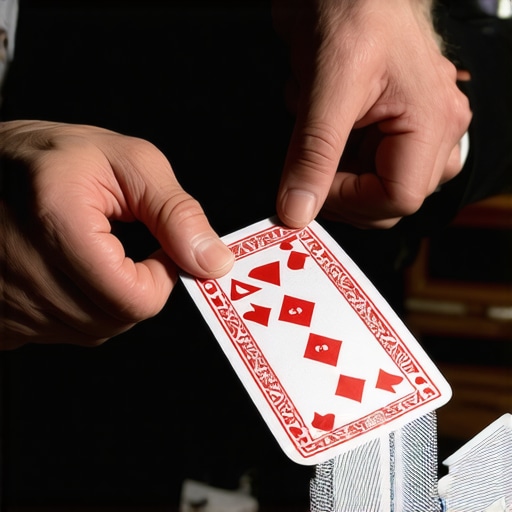
Have you ever watched a magician perform a seemingly impossible card trick and felt that pang of doubt creeping in? I remember my first attempt at close-up magic; I thought I had mastered the sleight of hand, only to have my audience catch on. It was a humbling moment that made me realize trust is the cornerstone of memorable magic. If your magic isn’t trustworthy, no matter how flashy your tricks are, the audience will remain skeptical. That’s when I discovered the secret to transforming doubt into awe: mastering sleight of hand that builds trust naturally and effortlessly.
Why Trust Matters in Close-Up Magic
Trust isn’t just a nice-to-have; it’s the foundation of effective close-up magic. When your audience believes in what they see, your tricks become astonishing rather than suspicious. But here’s the catch: many magicians focus on the trick itself and overlook the importance of how they perform it. The real magic happens in the subtle cues, confident movements, and genuine engagement that make spectators believe in your story. Early in my journey, I made a crucial mistake—trying to impress with flashy moves instead of building rapport and trust. That’s a mistake I see many beginners make, and it often backfires.
Is Sleight of Hand Really Worth the Effort?
It’s natural to be skeptical. After all, mastering sleight of hand takes time and patience. But here’s the truth: effective sleight of hand isn’t about convoluted moves or complicated techniques. It’s about making your actions seem natural, confident, and trustworthy. If you’ve ever wondered whether all the effort is worth it, I can tell you from personal experience that it absolutely is. When I started focusing on clean, natural movements, my audience’s trust skyrocketed. They stopped questioning and started believing—and that’s when the real impact happened. Want to learn the core techniques that will elevate your close-up magic? Check out this guide for insider tips on building trust through sleight of hand.
Make Every Move Count
Start by practicing basic sleight of hand with precision and confidence. Think of your hands as a relay runner—smooth, deliberate, and natural. I remember one time, I was trying to palm a card under pressure and kept fumbling. Instead of rushing, I slowed down, focusing on making each movement seamless. That small adjustment made my audience believe more in my actions. To sharpen this skill, dedicate focused practice sessions daily, aiming for fluidity rather than speed. Visit this resource for detailed techniques to refine your sleight of hand.
Control Your Movements with Intention
Every gesture should serve a purpose. Mimic the natural flow of everyday actions—like casually flipping a coin or tossing a pen—so your movements appear familiar. During a trade show, I once distracted a crowd by casually flipping a card from hand to hand, making it seem effortless. This nonchalant style builds trust because it feels genuine. Practice in front of a mirror or record your routines to identify and eliminate unnecessary movements. The goal is to make your actions seem unremarkable yet mysteriously effective. For more insights, check this guide.
Master the Art of Misdirection
Redirect attention precisely when needed. For instance, when palming a card, use your body language—like a subtle head turn or a gesture—to draw focus away from your hands. I once performed at a busy trade show and used a simple gesture to guide the audience’s gaze, making the switch unnoticed. Practice combining your sleight with confident eye contact and expressive gestures. This creates a seamless illusion where viewers focus on what you want them to see. Want to see how effective misdirection can be? Visit this page for actionable tips.
Engage and Build Rapport
Your audience trusts a performer who seems genuine. Use your body language—smile, maintain eye contact, and lean in slightly—to establish rapport. I learned this during a late-night practice session: by simply maintaining a relaxed posture and genuine smile, my audience’s suspicion turned into amazement. Incorporate storytelling or humor to make your performance relatable, reducing skepticism. The more comfortable and authentic you appear, the more trust you build. For techniques on engaging your audience, explore this resource.
Refine Through Repetition and Feedback
Perfect your routines with deliberate repetition. Record your performances, then review to spot unnatural movements or hesitations. I once recorded a routine and noticed I was revealing too much with nervous gestures. By consciously adjusting my movements and practicing until natural, I boosted my credibility significantly. Seek feedback from fellow magicians or friends to get fresh perspectives. Remember, mastery is a continual process. For more advanced techniques, visit this link.
Incorporate these core practices into your routine, and watch as trust naturally flows from your confident, natural movements. The secret isn’t just in the trick—it’s in how convincingly you perform it.
While many magicians focus on perfecting sleight of hand, there’s a hidden nuance that often gets overlooked: the misconception that complex moves alone guarantee trust. In reality, overcomplicating techniques can backfire, making your actions seem suspicious rather than natural. The truth is, simplicity paired with deliberate intention creates stronger bonds of trust. For example, a common myth is that faster, more flashy moves impress audiences, but in my experience, they often diminish credibility. Instead, mastering the art of making every move appear effortless and natural is what truly builds confidence with your viewers.
Another trap many fall into is assuming that audience engagement is solely about the tricks themselves. The deeper secret lies in the subtle cues—body language, eye contact, and timing—that influence perception. Overlooking these factors is a critical mistake. For instance, I once performed an intricate routine but failed to control my nervous gestures, which inadvertently revealed the secret. This is why refining your non-verbal communication is essential. According to expert magician and trainer, David Copperfield, “Trust is built in the moments between the tricks, not just during the illusions”—a reminder that every detail counts.
Why Do Advanced Magicians Emphasize Misdirection Over Technique?
Many believe that mastering sleight of hand is enough, but seasoned magicians know that misdirection is the real game-changer. It’s not just about hiding the move; it’s about controlling attention so that your audience naturally follows your cues. An advanced mistake is neglecting the importance of integrated storytelling and body language—elements that make misdirection seamless. When I started focusing on these nuances, I noticed a dramatic increase in the trust and astonishment levels. For a deeper dive into effective misdirection strategies, check out this resource.
Furthermore, many think that trust-building is a one-time effort. In truth, it’s a continuous process of refining your routines, understanding your audience, and adjusting your performance accordingly. Repetition without feedback can entrench bad habits, so recording your routines and seeking constructive critique are vital steps. This ongoing cycle of improvement ensures that your trustworthiness remains genuine and impactful. For more insights, explore this page.
In the end, the key is to understand that trust isn’t built solely on the moves you perform but on the authenticity, confidence, and subtle cues you convey. So, have you ever fallen into this trap? Let me know in the comments.
Keeping Your Magic Sharp Over Time
Maintaining your sleight of hand skills and equipment is crucial for consistent performance, especially when performing at trade shows or intimate events. Regular upkeep ensures your tricks remain convincing and your confidence stays high. One of my favorite strategies is setting a dedicated practice schedule that incorporates both routine drills and new techniques. This helps prevent stagnation and keeps your skills fresh. For instance, I dedicate 15 minutes daily to practicing basic sleights with deliberate focus on fluidity and precision. Over time, this consistent effort builds muscle memory, making your movements appear natural and trustworthy. To deepen your mastery, I recommend exploring this comprehensive guide which offers advanced tips on maintaining and refining your sleight of hand skills.
How do I maintain my equipment to ensure it stays reliable?
Keeping your magic tools in top shape is just as important as practicing your moves. I personally use a dedicated case with compartments for each item—cards, coins, and gimmicks—to prevent damage and misplacement. Regular cleaning of cards with a microfiber cloth prevents smudges that can hinder smooth handling. For coins, I use a gentle polishing cloth to remove fingerprints that could make palming less convincing. If you’re using gimmicked props, periodic inspection for wear and tear is essential; replacing worn parts before a performance saves you from embarrassing mishaps. Remember, well-maintained tools boost your confidence and reduce the risk of revealing secrets during critical moments.
Invest in Quality Equipment
When selecting your magic gear, prioritize quality over quantity. For cards, I swear by Bicycle decks because of their durability and consistent handling. For close-up routines, I prefer using professional-grade gaff cards which are designed specifically for seamless deception. Similarly, a good set of coins from reputable brands like Johnson or Morgan can last for years with proper care. These tools may come at a higher initial cost, but they pay off in performance reliability and audience trust. As the trend in magic advances, expect more durable, lightweight, and versatile props to become available, making maintenance easier and performances smoother.
What future tools will enhance trust-building in magic?
Looking ahead, technology like smart cards or app-controlled gimmicks could revolutionize how magicians perform and maintain routines. These innovations could provide real-time feedback on the condition of your tools or even assist in timing and misdirection. For example, embedded sensors might alert you when a gimmick needs cleaning or replacement, minimizing surprises during shows. Staying updated with such advancements can help you scale your performances and build trust more effectively. To stay ahead, I recommend routinely exploring new products and techniques—like those discussed in this resource—and integrating them into your routine gradually.
Finally, always record your performances and review them to identify any signs of equipment fatigue or technique inconsistencies. This ongoing process of evaluation and maintenance ensures that your magic remains impactful and trustworthy over the long haul. So, why not pick one tool or technique from this advice, and dedicate time this week to perfecting your maintenance routine? Trust me, your audience will notice the difference.
The Hardest Lesson I Learned About Building Trust in Magic
One of the most profound realizations I had was that mastering flashy sleight of hand isn’t enough; it’s the authenticity behind the moves that truly builds trust. I once performed a complex routine, rushing through it to impress, only to see skeptical eyes. That moment taught me that slowing down and making every action deliberate signals confidence and honesty to your audience. This lesson reshaped my entire approach, emphasizing quality over speed in every move.
My Secret Weapon for Consistent Audience Engagement
I discovered that storytelling and humor are powerful tools to foster trust. Instead of just showing tricks, I began weaving narratives that made my audience relate to me. A simple joke or an anecdote makes you appear genuine and approachable, which in turn makes your magic more believable. This layered approach transformed my performances from mere tricks into memorable experiences that audiences trust and remember.
The Most Overlooked Element of Trust in Close-Up Magic
Non-verbal cues are often underestimated but are vital in building trust. Maintaining eye contact, relaxed gestures, and confident posture communicate sincerity and calmness. I realized that nervous habits like fidgeting can sabotage even the most flawless routine. By consciously controlling my body language, I created a sense of reliability that made my tricks seem effortless and trustworthy. The subtle art of body language is indeed a game-changer.
Curated Resources That Changed My Approach
To deepen my understanding, I turned to this guide on building trust through sleight of hand. It emphasizes natural movements and audience connection. For refining misdirection, I highly recommend these interactive tips for boosting engagement. Lastly, this resource on reliable sleight techniques helped me perfect my routines for consistent trust-building. These tools are my trusted companions on the journey to impactful magic.
Step Into Your Power and Make Magic That Truly Trusts
Building trust in close-up magic is an art that combines skill, authenticity, and subtle cues. Every move, word, and gesture counts—so start refining your routine today. Remember, the most convincing magic isn’t just about the trick; it’s about the performer’s genuine connection with the audience. Take action now, practice with intention, and watch as your audience’s skepticism turns into genuine awe. Your journey to trustworthy magic begins here—are you ready to elevate your craft and truly connect through your magic? Share your experiences or questions below, and let’s grow together in trust and wonder!