
I was standing in the back of a gorgeous, high-end ballroom three years ago, watching a wedding planner’s face turn a translucent shade of panic. The catering staff had hit a major snag in the kitchen—a literal wall of dropped trays and a broken oven—and two hundred hungry guests were starting to check their watches every thirty seconds. That silence? It’s deafening. It’s the sound of an event dying. I realized then that my biggest mistake early in my career was trusting the itinerary too much. I assumed that if the wedding coordination said dinner started at 7:00 PM, it would happen. It rarely does. Today, I want to show you how to use a ‘magic buffer’ to bridge those awkward gaps so perfectly that your guests won’t even realize there’s a delay. We’re going to stop the bleeding before it starts.
The Day I Realized My Schedule Was a Lie
I used to be a stickler for the clock. I thought a successful event was one where every minute was accounted for in a spreadsheet. But then I saw a wedding catering wait turn a celebration into a funeral procession because there was nothing to fill the void. When the flow stops, people get cranky. They start looking for the exit or, worse, their phones. According to a study by the Event Industry Council, attendee engagement is the primary metric for event success, yet most planners leave that engagement to chance during ‘transition periods.’ I found out the hard way that you need a flexible, interactive element that can expand or contract based on the kitchen’s speed. Whether it’s a sudden timeline management move or a strategic entertainment placement, you need a plan for the ‘nothing’ moments. Have you ever been at a party where the music stopped and everyone just stared at each other? It’s awkward, right?
Is This Magic Buffer Actually Worth the Hype?
You might be thinking that hiring extra entertainment or shifting your party photo booth strategy is just another line item on an already bloated budget. I get it. I used to think ‘dead time’ was just part of the experience. But the reality is that the cost of bored guests is much higher than the cost of a buffer. When you lose the energy of the room, you almost never get it back. A well-placed ‘magic buffer’—like a close-up performer or an interactive station—doesn’t just fill time; it creates a peak experience out of a valley. We aren’t just ‘fixing’ a gap; we are transforming a potential failure into the highlight of the night. By the time the food finally arrives or the technical glitch is fixed, your guests will be so engaged they’ll actually be disappointed the ‘wait’ is over.
Spot the Silent Killers Before They Stifle the Energy
To execute a perfect magic buffer, you first have to identify the ‘dead zones’ in your itinerary. These are the predictable moments when the energy dips—think registration lines, the transition from a ceremony to a reception, or the lull after a main course is cleared. In my experience, the most dangerous gap is the technical transition. I remember a tech summit where the primary speaker’s laptop decided to update right as he stepped on stage. The audience started drifting toward their phones immediately. This is why interactive event apps often kill real networking opportunities; when things go wrong, people retreat into digital silos rather than engaging with each other. To fix this, you need a tactile, human intervention. I stepped into that tech gap with a quick mentalism bit about ‘syncing minds’ while the IT team scrambled. By the time the screen flickered back to life, the room wasn’t annoyed—they were leaning in. You can apply this same logic to why shorter corporate keynotes get higher ratings from employees; it’s about respecting their time by keeping the energy high, even when the clock isn’t on your side.
Match Your Buffer to the Specific Room Vibe
Not every buffer works for every crowd. If you are running a high-energy summer bash, a foam party machine rental might provide the visual spectacle you need, but it requires a very different management style than a black-tie gala. For more formal events, the buffer needs to be sophisticated and almost invisible. I once worked a wedding where the kitchen lost power for forty minutes. Instead of announcing the delay, we moved the close-up performers into the queue for the bars and restrooms. It turns out that luxury restroom trailers need close-up magic in the queue more than you’d think. By turning a ‘wait’ into a ‘show,’ we preserved the couple’s brand of elegance. Guests weren’t complaining about the plumbing; they were talking about the card that ended up inside a sealed sugar packet. 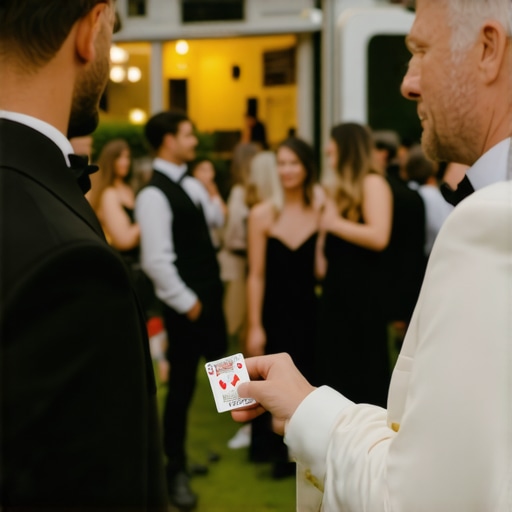
Keep Your Distractions Far Away from Each Other
The biggest logistical error I see is ‘clumping’ entertainment. If you have a high-traffic area, don’t put every interactive element in the same corner. You have to stop putting the magician next to the party photo booth. Why? Because both require focus and create their own mini-crowds. When they compete for space, the ‘buffer’ becomes a ‘blockage.’ Instead, use your entertainment to pull people into underutilized spaces. If the back of the room is feeling empty, place an interactive performer there to balance the floor. This is especially true when considering how shorter corporate keynotes can increase attendee information retention; you want the ‘after-talk’ energy to disperse throughout the venue, not bottle-neck at the exit. Think of your event layout like a heat map. Your magic buffer is the tool you use to move the heat around, ensuring that no guest ever feels like they are standing in a cold spot waiting for the ‘real’ fun to begin.
It’s a common mistake to assume that bigger is always better, especially when it comes to the physical layout of your venue. I’ve seen seasoned planners insist on an oversized dance floor rental for a hundred-person gala, only to realize too late that ’empty floor syndrome’ is a very real party killer. When a floor looks like a vast, vacant ocean, your guests become too self-conscious to be the first ones out there. A 2022 study by the University of Hertfordshire found that physical density in social settings significantly impacts perceived ‘fun’—meaning a space that is too large for its crowd actually feels less successful. You want that floor to feel slightly crowded; that’s where the energy becomes contagious. The same logic applies to your high-octane elements. If you’re planning a high-energy graduation bash, you need to know how to prevent a foam party machine rental from damaging your stage or flooring before the first bubble drops. It’s not just about the fun; it’s about the liability and the ‘Oops’ factor of a slippery surface making your high-end venue unusable for the rest of the night.
Why Your Data-Driven Platforms Might Be Making You Blind
We are in an era where everyone is obsessed with data-driven event platforms. I get the appeal; you want to track every click and every ‘like.’ But here is the nuance most people miss: why interactive event apps fail during high-stakes presentations is usually because they become a barrier, not a bridge. When you force people to look at their screens to ‘engage’ with a speaker, you’ve effectively killed the eye contact that builds real rapport. I’ve found that the most successful anniversary celebration planning involves removing tech hurdles, not adding them. If you want to build a real connection, you need the secret move for building instant executive trust, which usually happens through a physical, shared moment, not a digital poll. If your tech is distracting from the human element, it’s not an asset—it’s a liability.
Can Your Furniture Choice Actually Ruin Your Entertainment?
You might think party-table-rentals-why-round-tables-are-better-for-interactive-magic is just a niche preference, but it’s actually a foundational principle of sightlines. If you choose long rectangular tables for a close-up act, half the guests are looking at the performer’s back. This creates ‘dead zones’ where the energy flatlines. I’ve watched how party photo booth placement directly impacts magic engagement firsthand; if the flash of the booth is constantly strobing into the eyes of the guests watching a performer, you’ve just created a logistical nightmare that no amount of talent can fix. Success isn’t just about what you hire; it’s about where you put it. Have you ever fallen into this trap where the gear looked great but the energy was flat? Let me know in the comments.
I have spent thousands on software that promised to automate my guest list coordination, only to find that the most reliable tool in my bag is a physical, laminated site map and a specific roll of matte gaffer tape. When you are scaling from a small anniversary celebration planning session to a five-hundred-person corporate gala, you need systems that do not crash when the Wi-Fi does. This is exactly why interactive event apps are not a substitute for live connection; they are meant to be the support beam, not the entire foundation. If your data-driven event platforms are not giving you real-time feedback on floor density and flow, you are flying blind. I personally use a combination of heat-mapping software and old-school ‘vibe checks’—literally walking the room every thirty minutes to see where the guests are clumping and where the energy is dying.
Tools that actually save your skin on event day
I never step onto a site without a digital laser measurer. Why? Because the difference between a successful close-up set and a total flop is often three inches of aisle space. According to the NFPA 101 Life Safety Code, maintaining specific clear widths for primary egress is non-negotiable, and your permit acquisition help will go much smoother if you have these measurements ready before the fire marshal asks. Beyond the legalities, these measurements help you execute the simple stage setup fix that makes magic pop by ensuring your sightlines are actually clear. For my technical gear, I rely on a ruggedized Pelican case for my electronics and a dedicated cleaning kit for any tactile props. If you are running a high-mess station, you should check out these nacho machine rental tips for keeping your hands clean for card tricks. It sounds minor until you are trying to palm a card with cheese-stained fingers.
How do I maintain my event quality over time?
Consistency is the hardest part of event planning. To keep your results from dipping, you have to treat your physical assets—like a foam party machine rental or high-end floral arrangement for events—with the same respect as your digital ones. This means a post-event audit every single time. Did the foam party machine rental damage your stage? Did the guest flow around the bar create a bottleneck that killed the mood? I maintain a ‘failure log’ where I record every technical glitch and awkward transition. Over years, this log has become my most valuable asset, allowing me to predict disasters before they happen. For example, I now know that why luxury restroom trailers are the most important part of your outdoor venue often comes down to the psychological comfort of the guests, which directly impacts how long they stay and engage with the entertainment.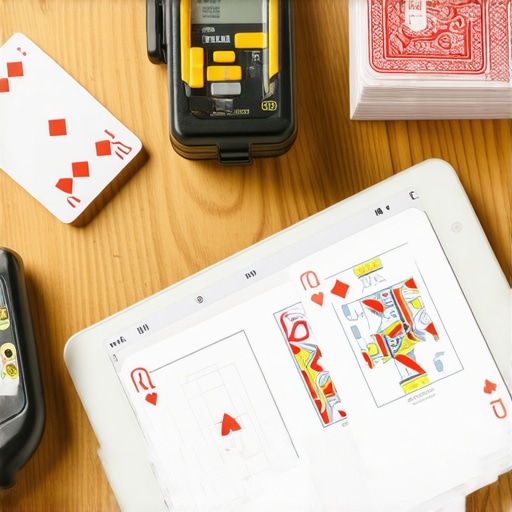
The future belongs to the hybrid-analog experience
I predict we are moving away from ‘all-digital’ events and heading toward a ‘high-touch’ future. Guests are tired of looking at screens. They want things they can feel, smell, and interact with physically. This is the tactic to blend magic into modern event design trends that actually works: use the tech to handle the boring stuff (like registration and data) so you can free up the human staff to create real magic. Whether you are handling prom event planning or a massive trade show, the goal is to make the technology invisible. If the guests are talking about your app, the app failed. If they are talking about the incredible connection they felt, the app succeeded. Start by auditing your next itinerary—find one moment where you can replace a digital interaction with a physical one and watch the energy in the room shift instantly.
The Hard Lessons I Learned About Empty Spaces
In my early years, I thought guest list coordination was simply about ensuring names were spelled correctly on place cards. I was wrong. I eventually realized that it is actually about predicting the social friction between different groups and using your floor plan to soften it. I also learned that if you wait until the last minute for permit acquisition help, you will likely spend your event day arguing with local inspectors instead of focusing on your guests. The biggest lightbulb moment for me was discovering that why party supply rentals are the secret to better magic props often comes down to the physical weight and stability of the furniture you choose. If your tables wobble or look flimsy, the professional illusion you are trying to build breaks instantly. I have found that mechanical bull rental liability how magic keeps the energy safe is less about the machine and more about using a performer to manage the crowd’s energy and prevent a chaotic bottleneck from forming.
The High-Touch Toolkit That Never Fails Me
I never step onto a site without a physical, laminated site map and a digital laser measurer; technology is a fantastic assistant, but paper never loses its battery at 2:00 AM. For creative inspiration, I often return to the principle that party supply rentals avoiding the tacky decor that hurts your brand is the real difference between a generic party and a high-end experience. If your floral arrangement for events or your dance floor rental choices do not match the sophistication of your entertainment, the whole evening feels disjointed. I also keep a dedicated troubleshooting kit for my foam party machine rental and party photo booth setups, because technical glitches are not a matter of ‘if,’ but ‘when.’ Having a physical backup ensures you are never at the mercy of a crashing server or a dead Wi-Fi signal.
Why It Is Finally Time to Put the Human Back in the Event
The most memorable nights I have ever produced were not the ones with the most expensive data-driven event platforms; they were the ones where guests felt truly seen and engaged. Whether you are deep into prom event planning or careful anniversary celebration planning, keep human connection as your North Star. I realized why virtual event production needs more human interaction and less tech when I watched a livestream freeze and the audience vanished because there was no personal touch to hold them there. Real success happens in the gaps—those unscripted moments where you choose to engage your audience rather than hide behind a spreadsheet. Stop worrying about finding the perfect interactive event apps and start focusing on creating a space where people actually want to talk to one another. Have you ever seen an event energy die because of a technical delay? Tell me your survival story in the comments below!