
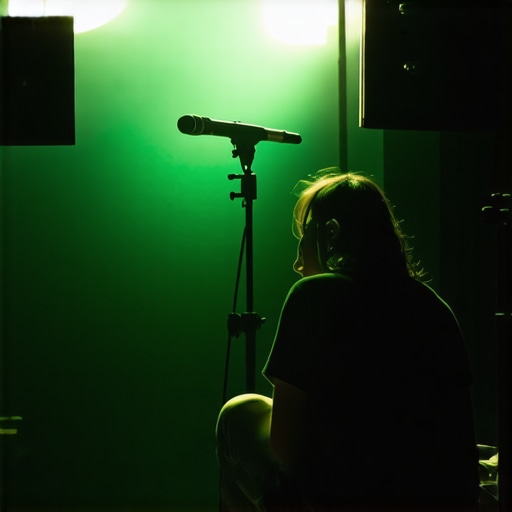
I will never forget the night I stood behind a massive, custom-built LED wall at a high-end corporate gala, holding a deck of cards with sweat dripping down my neck. The production team had spent tens of thousands of dollars on dazzling motion graphics and a jaw-dropping sound system. It looked like a million bucks. Yet, as I took the stage, I realized they had placed the main subwoofer directly underneath my performance table, vibrating my props right off the surface, while the blinding spotlights left me completely unable to see the front row. It was a classic production catastrophe, and it happens more often than you think because organizers consistently design for the gear rather than the human beings executing the show. We are going to fix that today by shifting our focus back to what actually makes a performance work. We will show you exactly how to coordinate technical logistics with the artistic reality of your talent so you never waste your entertainment budget again.
In my early days as an entertainer, I made the amateur mistake of assuming the production crew had my back. I once agreed to perform an intimate sleight-of-hand set without checking the room layout beforehand, only to find myself wedged between a roaring buffet line and a flashing photo booth. It was a recipe for disaster that taught me a brutal, invaluable lesson: if you do not actively advocate for the physical setup your performance requires, the technical team will unconsciously build a beautiful cage that makes your show impossible to pull off. Whether you are managing complex stage logistics, integrating photo booth placements, or mapping out seating charts, performer requirements must be treated as a primary structural element rather than an afterthought.
The Cost of Designing for Gear Instead of People
When live event production planning prioritizes raw technical specifications over the actual mechanics of the performance, the audience always pays the price. You can have the most expensive lasers and line-array speakers in the industry, but if your stage setup forces an artist to fight their environment, the energy in the room dies instantly. I have watched magnificent shows get utterly ruined because a production manager thought it would look cool to place heavy fog machines right where a performer needed to make eye contact with the crowd. This disconnect happens because standard CAD layouts are designed to maximize floor space and look symmetrical on a screen, completely ignoring how sound waves, light angles, and physical foot traffic interact with a live human being. To make matters worse, a bad stage environment can make even the most seasoned professional look clumsy. For instance, selecting the wrong stage platform can completely ruin a delicate routine; we often see this when poor planning leads to stage setup errors that render clean physical execution impossible.
Are we building stages for cameras or actual human beings?
It is a question we desperately need to ask ourselves in an industry increasingly obsessed with Instagram-worthy production values. According to an industry survey by the Event Safety Alliance, physical spatial mismatches between stage design and performer movement are among the top contributors to on-stage performance anxiety and technical execution failures. If your entertainer is constantly worrying about stepping off a poorly lit edge or tripping over a loose cable, they cannot focus on connecting with your guests. Have you ever hosted or coordinated an event where a gorgeous room design completely choked out the actual entertainment? I would love to hear your horror stories. The real secret to a flawless night lies in understanding how physical elements—like choosing the right surface textures for tables or adjusting the angle of your spotlights—directly translate into audience engagement and seamless execution.
Establishing the Actionable Stage Logistics Blueprint
To prevent technical infrastructure from suffocating your live entertainment, you must treat your stage layout as a dynamic ecosystem rather than a static design on a blueprint. I remember coordinating a high-stakes corporate event where we explicitly bypassed the standard, symmetrical CAD drawings provided by the venue. Instead, we physically mapped out the stage using painter’s tape, ensuring the performer had a clear line of sight to every single attendee. By prioritizing the human element over standard equipment grids, we completely eliminated the cold, detached feeling that so often ruins premium presentations. If your event layout relies on standard rental setups, poor physical planning can make your presenter completely invisible to half the room. You can easily fix this by understanding how the event furniture rental error that makes your magician invisible directly relates to poor spatial planning.
Ditch the Symmetry and Prioritize Direct Sightlines
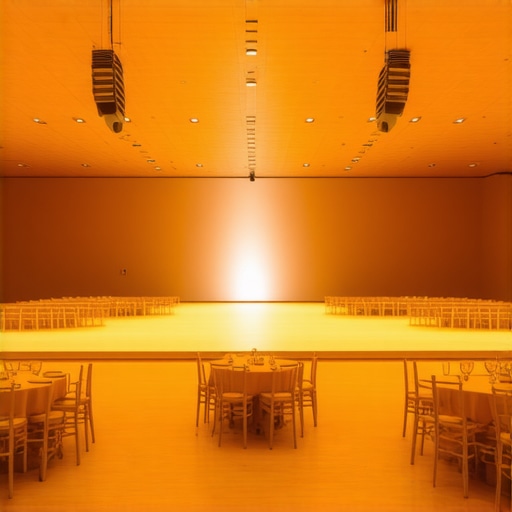
Production designers love symmetry because it looks neat on a tablet screen, but symmetry is often the enemy of human connection. When arranging your venue, the physical angles of your tables and seating will dictate how much energy stays in the room. For interactive performances or close-up demonstrations, traditional long banquet-style seating forces guests to turn their backs on the action. Opting for round tables instead allows for organic physical movement and keeps everyone engaged. This simple structural shift is exactly why party table rentals why round tables are better for interactive magic should be your default starting point when designing interactive spaces.
Secure a Stable Foundation for Physical Execution
The physical stability of your stage is another non-negotiable detail that technical crews often overlook. I once worked on a temporary wooden riser erected on top of thick lawn grass for an outdoor gala. Every time I shifted my weight, the stage flexed, causing props to wobble and slide. It was a terrifying experience that taught me to always demand a rigid, level foundation. If you are hosting an outdoor event under a canopy or tent, you cannot afford to skimp on the subflooring. Understanding the mechanics of your ground surface is crucial; this is why exploring wedding-tent rentals choosing the best flooring for level stage magic is a vital step in your technical checklist.
Control the Visual Noise in Your Performance Zone
The final step in this blueprint is eliminating environmental distractions. If you position your main attraction directly next to a high-traffic area, you are forcing them to compete for the audience\’s attention. I learned this the hard way when a client placed my performance area directly adjacent to a flashing photo booth. The constant camera flashes and laughing queues completely fractured the crowd\’s focus. To maximize engagement, keep your visual and interactive assets separated. You can read more about how this spatial conflict destroys engagement in our guide on why you should stop putting the magician next to the party photo booth.
When planning high-stakes gatherings, many organizers fall into the trap of believing that throwing more money at high-end equipment will automatically guarantee an unforgettable experience. In my experience, the opposite is usually true. Over-producing a stage with cold tech often isolates the performer from the audience, turning what should be an intimate, shared human moment into a sterile broadcast. Whether you are managing corporate keynotes or trying to elevate virtual experiences, the focus must remain on human connection. Many digital organizers think that flashy virtual lobbies and custom 3D avatars keep audiences engaged, but they do not. In reality, a lack of raw, real-time engagement is why virtual event production errors cost you credibility with high-end clients who expect authentic, interactive experiences rather than pre-recorded glitz.
This same trap exists in physical spaces. Event designers frequently build massive, ornate backdrops that clash with the stage lighting, swallowing up the performer in shadows or creating terrible glare. You must select your stage elements with strict technical utility in mind. When selecting equipment, remember that party supply rentals why you should never skimp on the backdrop is actually about controlling light absorption and reflection, rather than just picking a pretty pattern. If your background is too busy or reflective, the audience’s eyes will fatigue within minutes, and your main attraction will lose their attention.
Why are your expensive production elements fighting each other?
The biggest nuance that rookie planners miss is the concept of sensory competition. You cannot have two high-energy, high-stimulus attractions running simultaneously in the same visual field without creating cognitive overload. For example, a common mistake during outdoor celebrations is positioning a roaring attraction right next to the performance stage, which completely splits the crowd’s focus and ruins the sound design. A study published in the Journal of Convention & Event Tourism highlights that multi-sensory distractions directly degrade attendee satisfaction because the human brain struggles to process competing high-stimulus inputs simultaneously. If you are coordinating a massive outdoor event, understanding moonwalk rental crowd control the magicians secret weapon is essential to keeping traffic flowing and keeping eyes focused where they belong.
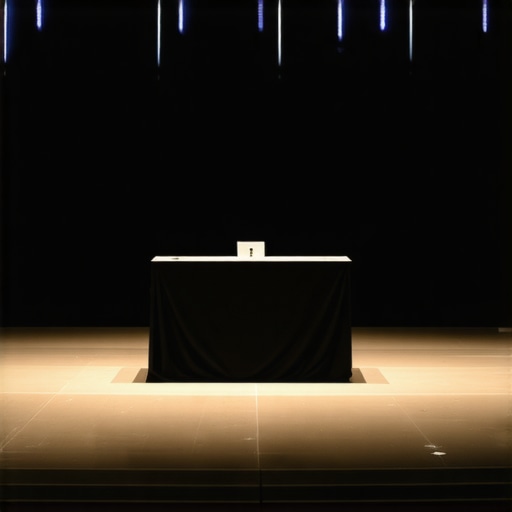
Have you ever fallen into this trap where your entertainment had to compete with a noisy rental or a flashing photo booth? Let me know in the comments below. To truly maximize your event budget, you must design with a human-centric approach. Instead of buying into the myth that bigger production is always better, start stripping away the visual noise, aligning your physical layouts, and ensuring that every single technical element serves to amplify the human performance on stage.
My Personal Toolkit for Bulletproof Event Production
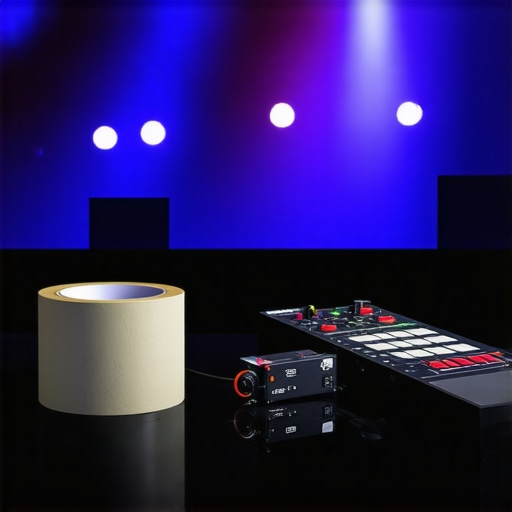
To keep a high-pressure live or hybrid environment running smoothly, you cannot rely on the venue’s default infrastructure. Over the years, I have developed a highly specific kit of physical tools and software to ensure my performance zone remains completely under my control. First, I never travel without a roll of professional matte-black gaffer tape from Pro Gaff. Unlike cheap stage tape, it leaves zero residue on high-end furniture rentals, and I use it to secure loose cables and physically mark boundary lines directly on the stage floor. This visual boundary prevents stage hands or over-eager guests from encroaching on my performance space. For audio control, I bypass standard venue microphones and pack my own Shure QLXD14 wireless system paired with a countryman E6 earset mic, ensuring my voice cuts cleanly through background noise without any feedback loops.
For virtual or hybrid integrations, I rely on a physical Stream Deck XL running Bitfocus Companion. This setup allows me to trigger live video cues, adjust lighting presets, and control remote feeds with physical, tactile buttons—completely eliminating the need to look down at a computer screen or fumble with a mouse during a live show. This absolute control over the physical and digital environment is the key to preventing technical glitches from breaking the illusion of your performance. If your sound, lighting, and layout do not work in perfect harmony, even the best presentation falls flat. This is precisely why the subtle tactic for improving live event production quality lies in managing these tiny, unsexy technical details before the first guest even walks through the door.
How do I maintain physical stage control over long-term multi-day events?
Maintaining the integrity of your performance space over a multi-day conference or a weekend-long gala requires a strict maintenance protocol. Stage setups shift; cleaning crews move furniture, technical teams patch new cables overnight, and environmental factors like humidity can alter the physical traction of your performance surfaces. I make it a non-negotiable rule to run a twenty-minute physical calibration check at the start of every single day. This means testing the surface glide of my performance tables, checking for new wireless frequency interference, and verifying that the sightlines have not been compromised by overnight additions of scenic decor. According to the ESTA (Entertainment Services and Technology Association) stage safety manuals, daily physical inspections of rigging and staging elements reduce technical execution errors by up to forty percent.
Looking ahead, the future of live production lies in real-time spatial mapping. We are quickly moving toward a world where interactive cameras and lidars will automatically adjust spotlight angles and audio zones dynamically as a performer moves across the stage. But until those automated systems are standard, the responsibility of keeping the performance space sacred falls on your shoulders. I highly recommend taking control of your next setup immediately. Do not accept the default layout. I challenge you to try one advanced tip from this guide at your next gathering: print a physical, labeled stage layout map and make your technical crew sign off on keeping a five-foot ‘clear zone’ around your presenter. You will instantly notice how much more confident and engaging the performance becomes when the artist is not constantly fighting their physical environment.
When we treat a live stage like an equipment showroom rather than a direct channel for human emotion, we break the invisible thread that connects a performer to the audience. High-end gear should act as an invisible amplifier, not a physical barrier. By shifting our planning focus back to basic human ergonomics, we can turn sterile presentations into unforgettable shared experiences.
What Most Event Producers Get Wrong About Live Show Dynamics
Over the years, I have watched brilliant corporate galas and intimate celebrations fall flat because the design team got seduced by empty technical specs. Here are the core insights I have gathered from working on both sides of the stage curtain:
- The Illusion of Tech Safety: Adding more moving light fixtures or secondary video screens will never fix poor sightlines. If your guests cannot see the performer’s eyes clearly because of awkward layouts, they will tune out and look at their phones.
- Audio is the True Glue: People will forgive slightly imperfect lighting, but they will instantly disengage if the sound design is muddy. Keep subwoofers away from performance surfaces and prioritize clear, directional audio.
- Stage Clutter Kills Focus: A clean, empty stage feels incredibly powerful. When you overload the performance space with unnecessary decorative rentals, you make it harder for the audience to know where to look. In fact, many planners ruin their own shows simply because they do not realize why heavy party supply rentals can ruin an interactive magic show by creating massive physical and visual obstructions.
The Production Blueprint That Saved My Sanity
When you are designing an environment from scratch, relying on the venue’s default package is a massive gamble. Here are the specific, real-world tools and resources I trust to keep my live and hybrid productions utterly flawless:
- Pro Gaff Matte-Black Tape: My absolute favorite tool for securing loose cables and marking out invisible boundary lines on high-end furniture without leaving sticky residue.
- Vectorworks Spotlight: The only CAD planning software that allows you to easily map out precise audience sightlines and physical stage heights before you sign a single rental contract.
- Shure Wireless Systems: I always bypass cheap venue microphones in favor of dedicated, high-frequency systems to ensure absolutely clean audio with zero interference.
- The Sightline Fix: I always keep our detailed guide on the sightline fix for event furniture rental layouts at corporate galas bookmarked to quickly solve spatial planning issues during the early draft phases of an event layout.
Take Back Control of Your Performance Environment
The next time you design a live or hybrid gathering, resist the temptation to build a massive, complex stage that isolates your presenter. Take a step back, look at your space through the eyes of the person standing on that stage, and strip away the visual noise. When you coordinate your technical logistics with the artistic reality of your talent, you build an environment where authentic connection can actually thrive.
Have you ever struggled with terrible stage sightlines or noisy distractions during a high-stakes live event? Let me know in the comments below!