I will never forget the sheer, icy panic that gripped me during a high-stakes regional corporate launch party. I had spent months coordinating the perfect floral arrangement for events, booking an incredible live band, and securing top-tier sound system rental packages. But fifteen minutes into the cocktail reception, the band took a scheduled break. The background music playlist failed to trigger. Hundreds of executives stood in dead, heavy silence, staring at their shoes. You could literally hear the ice melting in their glasses. That night, I watched a huge chunk of my live event production budget evaporate into thin air because of a simple, preventable gap in the schedule. The truth is, dead air kills the momentum you worked so hard to build, turning a premium experience into an awkward waiting room. Today, I am going to show you how to identify the hidden leaks in your event timeline and stop wasting your hard-earned money on silent, unproductive moments. We will dive into strategic fixes that keep your guests engaged from the second they walk through the door until the final farewell.
Is expensive event tech actually worth the hype?
Many organizers assume that pouring money into high-end projection mapping or flashy VR gear will automatically fix guest engagement. Early in my career, I fell into this exact trap. I once spent thousands of dollars on a state-of-the-art interactive display, only to realize that while three people were using it, eighty other guests were standing in a massive, silent queue waiting their turn. According to research published by the Meeting Professionals International association, event flow and continuous human engagement are far stronger predictors of attendee satisfaction than pure technology spends. We often overlook the simplest transitions. If your schedule has gaps, even the most expensive setup feels flat. To keep things moving seamlessly, you might need to rethink your scheduling entirely. For example, mastering the timeline management move that stops event-flow from stalling can instantly protect your budget. Have you ever stood at your own event and realized, with a sinking feeling in your stomach, that your guests have absolutely nothing to do but look at their phones? It is a incredibly common struggle, but we can easily fix it by looking at how we manage our transition times.
Eliminate the transition traps that drain your event energy
To keep your attendees fully present, you have to treat your event timeline like a flowing river rather than a series of disconnected, static ponds. When you design a schedule with hard stops, you invite awkward silences that force guests to pull out their phones. Instead, we must actively bridge the gaps between major programming blocks. Think of it as a physical handoff. In my early days, I managed a high-profile corporate retreat where the keynote speaker ended fifteen minutes early. The crowd sat in silence, waiting for the buffet doors to open. It was excruciating. Since that disaster, I have relied on a simple rule: never let one segment end without the next experience already warming up in the background.
Deploy a dynamic entertainment buffer
One of the most effective ways to bridge these dead zones is by inserting highly interactive, low-footprint entertainment directly into transition areas. Instead of relying on passive background music, deploying a roving entertainer can completely transform the atmosphere. If you position your activities strategically, you can seamlessly mask logistical delays. For instance, understanding the magic buffer that fixes event timeline gaps instantly can save your event flow when catering schedules run behind. This technique works beautifully because it meets guests where they already are, converting waiting time into a memorable feature of the day.
Rethink your physical layout to support interaction
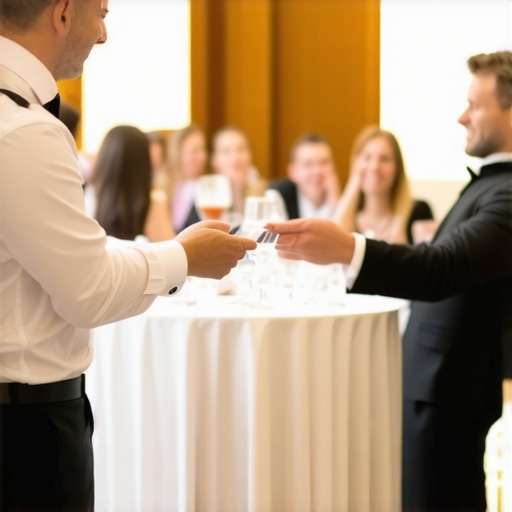
The physical arrangement of your venue dictates how easily people mingle and stay engaged. Too often, coordinators set up heavy, static furniture that creates physical barriers and blocks sightlines. When guests are trapped in isolated pockets, energy levels plummet. If you are planning interactive moments, your choice of tables and seating layout is critical. You might be surprised to learn how much your furniture choices dictate guest interaction; for example, discovering why your party table rentals might be blocking the best tricks can help you avoid dead zones during key performance moments. Keep your high-traffic areas open, choose high-top tables that encourage standing, and ensure your spatial design naturally guides guests toward the next focal point without requiring awkward announcements.
Keep waiting zones actively entertained
Whether it is a long queue for a signature drink or a delay at the entrance, queues are notorious momentum killers. Instead of letting frustration build, treat every line as an opportunity for micro-engagement. I once managed a festival where the food truck lines grew to over thirty people deep. Instead of letting the crowd grow restless, we sent close-up performers directly to the queues to entertain people while they waited. You can apply this exact logic to any bottleneck. For example, learning the move to fix boredom during luxury restroom trailer waits keeps the energy consistently high throughout the entire venue footprint, ensuring that your premium experience never stumbles, even during the most mundane logistical pauses.
When planning a high-profile gathering, there is a dominant school of thought that emphasizes static grandeur. Most planners believe that booking the most elaborate floral arrangement for events or securing a massive, deafening sound system rental will automatically command the room’s energy. I used to believe this too. But in my years managing high-stakes productions, I have learned a contrary truth: over-indexing on passive visual decor actually alienates your guests. When you build a fortress of towering centerpieces and massive speakers, you inadvertently create physical and acoustic walls. Instead of facilitating connection, you end up isolating people into quiet, awkward pockets where they feel too intimidated to speak.
Why does expensive event styling sometimes freeze the room?
The secret nuance lies in how environmental design dictates human behavior. When an environment feels like a museum, guests act like museum-goers—they look, but they do not touch, and they certainly do not let their guard down. A highly styled space without interactive touchpoints leaves your audience feeling passive. For example, relying on generic aesthetic setups can seriously backfire; discovering why generic event design trends often fail your live entertainer is a classic eye-opener for coordinators who wonder why their high-end talent is struggling to connect with the crowd. True engagement does not come from static beauty; it comes from dynamic, shared experiences that actively draw people out of their shells.
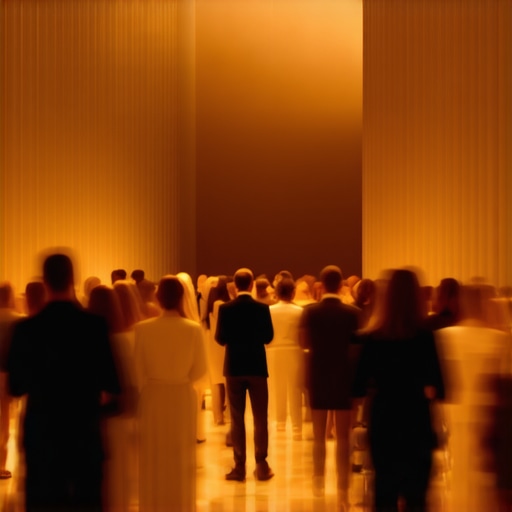
The absolute biggest trap to avoid is what I call the “compartmentalization mistake.” This happens when you hire incredible individual services—such as premium catering for weddings, professional event photography services, or high-energy entertainment—but fail to integrate them into a singular, cohesive flow. When your vendor services operate in isolated silos, you create jarring transitions. For instance, a beautifully planned dinner can feel painfully sluggish if there is a long lag between courses. Smart planners know how to bridge these operational pauses. Integrating tableside entertainment is a brilliant fix; understanding the tableside trick that makes wedding catering delays invisible can save your reception from the dreaded mid-meal energy dip.
Ultimately, successful event design is about creating lines of sight and physical pathways that encourage natural interaction. Choosing the wrong furniture can completely block these pathways and ruin the overall experience. To prevent this, you must understand how your physical assets affect the flow of your entertainment. Be sure to explore how your event furniture rental choice impacts audience participation so you do not accidentally build a barrier between your guests and the action. Have you ever fallen into this trap of prioritizing passive decor over active flow? Let me know in the comments below!
To prevent these environmental traps from silently draining your momentum, you need to transition from passive decor to active, high-yield tools. When managing live setups, I no longer rely on guesswork. I use digital spatial design tools like SketchUp to mock up exact sightlines before any equipment arrives. This process ensures that heavy staging, bulky speakers, or oversized tables do not block the physical pathways of our interactive entertainment. If you design your room with performance in mind, you protect your entertainment investment from day one. In fact, selecting the right physical surfaces is so critical that even a subtle choice in furniture can make or break an interactive performance; you should examine party table rentals choosing the best surface for coin magic to see how texture and height impact close-up interactions.
How do I maintain consistent event energy over a long schedule?
Maintaining high energy across multi-hour timelines requires a shifting of the crowd’s focus rather than relying on one heavy-handed performance. I personally plan event transitions in 45-minute micro-cycles. For example, instead of running a live band booking for four straight hours, we structure the timeline to alternate between high-impact stage performance, culinary interaction, and roving close-up acts. When planning these setups, your sound system rental and stage design must remain flexible. Renowned corporate event consultant Julius Solaris often notes that the physical layout of an environment is the single greatest predictor of how long an audience remains focused and active. If your stage setup is too rigid, you lose the ability to adapt to the room’s energy. It is remarkably easy to accidentally ruin a performer’s physical routine by choosing a poorly designed stage layout; understanding how stage setup services can ruin your sleight of hand routine can help you design a space that naturally highlights your talent.
Looking ahead, the future of live production lies in hybrid, sensory-rich designs that blend physical realities with clean, minimalist aesthetics. We are moving away from massive, resource-heavy builds and heading toward intimate, highly personalized setups. For outdoor events or summer gatherings, this means opting for creative, functional interactive spots that also serve as entertainment. For example, you can bypass standard, slow-moving concessions by utilizing smart crowd-control setups; learning the snow cone machine rental hack for summer trade shows is a perfect example of how to keep guests cool, moving, and actively engaged. My challenge to you for your next event is to pick just one bottleneck area—whether it is the bar queue, the registration table, or the transition after lunch—and deploy a dedicated interactive element to bridge the gap. You will be amazed at how quickly dead energy transforms into natural, buzzing conversation.
What Experts Won’t Tell You About Integrating High-End Event Services
Over the years, I have watched countless planners make the mistake of treating their high-value assets as separate, disconnected blocks. When you book premium catering for weddings, hire a sensational live band booking, or secure a top-tier sound system rental, they should never operate in isolation. The secret is that the best experiences happen in the margins. If you do not actively plan for the moments between the scheduled acts, your guests will experience jarring energy drops. I have learned that the most reliable way to keep the atmosphere alive is to use highly focused, interactive close-up acts to bridge these operational gaps. By applying the sleight of hand fix for awkward event lulls, you can transform what would have been dead time into the absolute highlight of the evening.
My Essential Toolkit for Perfect Event Flow
To keep my productions run smoothly without manual babysitting, I rely on a mix of strategic physical layouts and real-time engagement tools. Here are the non-negotiables in my planning kit:
- Flexible Spatial Design software: I use CAD and SketchUp to map out sightlines, ensuring that heavy event design trends like bulky backdrops or oversized columns do not block the view of roving performers.
- Strategic Cocktail Table Placements: Instead of heavy, isolating dining tables, I scatter high-top tables near busy zones like the bar or the registration area. For example, mastering the cocktail table strategy for breaking the ice at galas instantly encourages natural guest interaction.
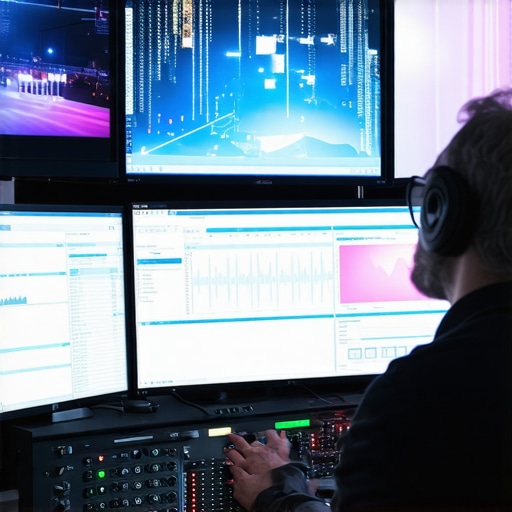
- Highly Targetable Sound Zone Systems: I ensure our sound engineers set up localized volume zones so that guests can comfortably chat and engage with tableside entertainment without having to scream over the music.
The Future of Your Next Gathering
Your next event does not need a massive, multimillion-dollar budget to feel incredibly premium and unforgettable. It simply requires you to respect your guests’ time and attention during the quietest moments. When you shift your focus from static, overwhelming floral arrangement for events toward active, human-centered engagement, you build an environment where connections happen naturally. Go out there, design with intention, and build something spectacular that your guests will talk about for years to come.
Have you ever struggled with sudden, awkward silences during key transition moments? Let me know in the comments below!