

I’m sitting in the back of a dimly lit ballroom, clutching a lukewarm coffee like it’s a life raft. The speaker on stage is on slide 47 of a 90-slide deck, and honestly? My brain checked out twenty minutes ago. I was actually more interested in the nacho machine rental in the hallway than the complex graphs on the screen. It was a visceral realization: I wasn’t just bored, I was physically unable to process more data. We’ve all been there, trapped in a seat, nodding politely while our internal hard drive is flashing ‘Storage Full.’ Today, I want to show you why cutting the clock is the most generous thing you can do for your guests.
Give Your Guests Mental Breathing Room
The problem isn’t that the information is bad; the problem is the delivery method. I made a massive mistake early in my career when I was organizing a mid-sized tech summit. I thought that if I was paying a speaker five figures, I needed to get at least two hours of stage time out of them to justify the invoice. I was wrong. The reason why shorter corporate keynotes get higher ratings from employees is simple: they respect the biological limits of the human brain. According to molecular biologist Dr. John Medina in his book Brain Rules, the human brain has a ‘ten-minute clock’ where it essentially checks out if it isn’t grabbed by something emotionally relevant or new. When we force people to sit through hour-long lectures, we aren’t educating them; we’re just making them tired. This is exactly how shorter corporate keynotes prevent post-lunch meeting fatigue by working with our biology instead of against it.
Will your audience feel cheated by a shorter talk?
This is the fear that keeps event planners up at night. You worry people will walk away saying, ‘That’s it?’ But in my experience, the opposite happens. When you use a simple strategy for shorter corporate keynotes that pack a punch, your attendees leave feeling energized instead of drained. They actually remember the three key points you wanted them to learn. Have you ever left a long presentation and realized you couldn’t recall a single actionable takeaway? I would love to hear about your most frustrating ‘lecture from hell’ experience.
Trim the Fat and Find Your One Big Idea
To shorten a keynote without losing impact, you have to treat your content like a carry-on bag for a weekend trip; if it doesn’t serve an immediate, vital purpose, it stays home. I remember a specific event where a speaker tried to cram an entire history of logistics into a 45-minute slot. People were literally checking their watches every three minutes. I stepped in for the afternoon session and cut my own 30-minute talk down to twelve. I focused on one singular, transformative concept and threw the rest away. The result? I had a line of twenty people waiting to talk to me afterward because they actually understood what I said. This shift toward brevity is exactly how micro-event planning can focus on quality over quantity to create lasting impressions. When you distill your message, you aren’t losing value; you are increasing the concentration of it. Think of it as a reduction sauce in a high-end kitchen—it’s smaller, but the flavor is ten times more intense.
Identify the core ‘Aha!’ moment
Before you even open PowerPoint, ask yourself: ‘If the fire alarm goes off five minutes into my talk, what is the one sentence I want them to remember?’ Everything else in your deck should be a supporting actor to that one sentence. This is the same principle behind the trade show hook that stops walkers in their tracks. You don’t lead with the technical manual; you lead with the magic.
Human Connection is Your Best Engagement Tool
Once you’ve trimmed the content, you need to change the dynamic from ‘me talking at you’ to ‘us exploring this together.’ Many planners try to fix boredom by throwing tech at the problem, but why interactive event apps are not a substitute for live connection becomes obvious the second everyone starts staring at their phones instead of the stage. Interaction should be visceral. I once saw a speaker hand out physical puzzle pieces to every table. To solve the problem he was posing, people had to actually stand up and talk to the next table. It was loud, it was a bit messy, but no one was bored. 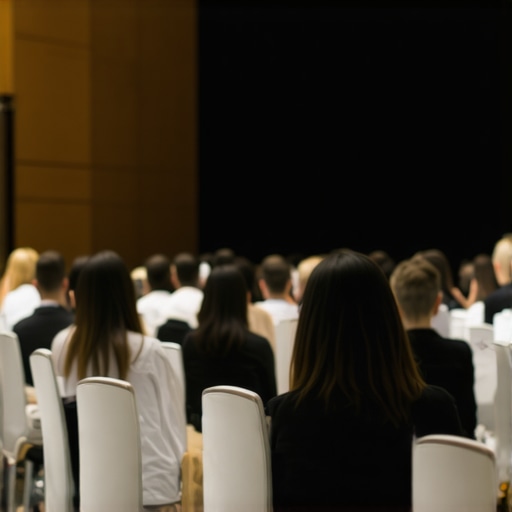
Avoid the digital distraction trap
If you use an app, make sure it’s a tool for the speaker to gather data, not a playground for the guest to hide in. Over-reliance on tech is a common reason why interactive event apps fail during high-stakes presentations. Instead, use verbal prompts, physical ‘show of hands’ moments, or even short, 30-second peer-to-peer discussions. It breaks the ‘passive observer’ trance.
Stop Blocking the View with Bad Furniture Choices
You can have the best 15-minute speech in the world, but if your guests are squinting over the back of a high-set chair or a poorly placed floral arrangement, they’ll check out. I learned this the hard way at a gala where I realized the centerpieces were so tall that half the room couldn’t see the speaker’s gestures. Knowing how to pick event furniture rentals that do not block the view is as much a part of the keynote’s success as the microphone quality.
Create a line of sight that feels intimate
Your seating layout dictates the energy. For short, high-impact talks, you want people close together but comfortable. Using the chiavari chair rental hack for better audience flow can help you pack a room in a way that feels intentional rather than crowded. If guests feel like they are part of an exclusive circle rather than a face in a sea of thousands, they are naturally more inclined to stay focused and engaged throughout the entire session.Everyone tells you to download the event app to stay connected, but honestly, I think it’s a trap. We’ve reached a point where we are over-digitizing the human experience. In my years of conference management, I’ve seen that the more screens you put between a speaker and an audience, the lower the actual retention. This is why most interactive event apps are a waste of guest time—they don’t foster connection; they provide a socially acceptable way for attendees to check their email while appearing engaged. The nuance most people miss is that interaction doesn’t mean clicking a ‘like’ button on a digital slide. It means physical presence and visceral engagement. I’ve seen trade show booths spend fifty grand on giant LED walls only to be ignored by every passerby. Meanwhile, the professional with a simple deck of cards using the trade show magic move that guaranteed more badge scans has a line around the corner. Why? Because it’s human, it’s tactile, and it breaks the digital trance that modern attendees are perpetually stuck in.
Does your tech solve a problem or just create a distraction?
According to Dr. Gloria Mark, a professor of informatics at the University of California, Irvine, it takes an average of 23 minutes and 15 seconds to get back to a deep state of focus after a digital distraction. If your event app is pinging guests every five minutes with reminders, you are literally destroying their ability to process your keynote. You are paying for a speaker’s expertise and then paying for an app to ensure no one actually hears it. This is why virtual event production needs more human interaction and less tech to be successful. The most common Oops factor I see is the assumption that a full schedule is a valuable schedule. Planners are often terrified of dead air, but dead air is where the networking happens. When you cram every minute with content, you create a chore, not an experience. This is why your community-driven events feel like a chore and the quick fix is often just doing less. I’ve shifted my focus toward the idea that micro-event planning is the new standard for luxury bookings because it prioritizes the guest’s mental bandwidth over the venue’s capacity.  Even the choice of seating can ruin a high-stakes moment; the hidden danger of cheap chiavari chair rentals for seated magic or keynotes is that they are often so uncomfortable that guests are focused on their back pain rather than your brand message. Have you ever fallen into this trap of over-scheduling or over-teching an event? Let me know in the comments.
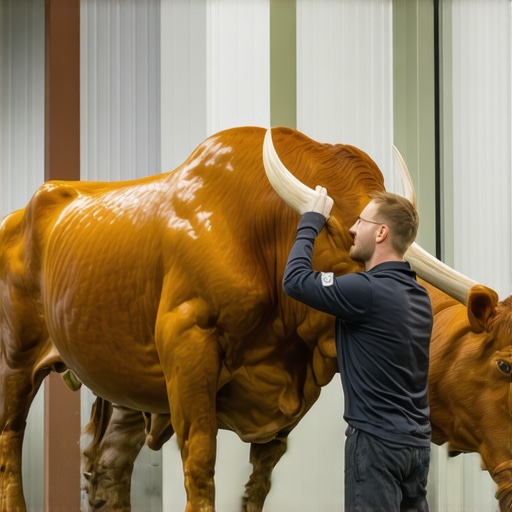
Maintenance isn’t the sexy part of event planning, but it’s the difference between a one-hit-wonder and a thriving business. If you’ve invested in high-end gear like a mechanical bull or a professional photo booth, your long-term results depend entirely on your maintenance schedule. I’ve seen planners ignore the small stuff—like failing to properly clean a foam party machine rental—only to have it fail during a high-stakes corporate gig. In my personal toolkit, I never go anywhere without a digital anemometer for outdoor setups. Why? Because knowing the exact wind speed is the only way to secure your wedding tent rental against sudden wind during a show. It’s not just about the show; it’s about the safety standards set by organizations like the ASTM International (specifically the F2374-21 standard for inflatables), which emphasize that risk management is the foundation of luxury service.
Don’t Let Neglect Kill Your Equipment ROI
When you are dealing with complex logistics, the ‘maintenance’ of your reputation is just as important as the grease on a mechanical bull’s gears. I personally use a cloud-based asset management tool to track the lifecycle of every piece of equipment, from the smallest cable to the largest event tent rental tactic for staging large-scale illusions. This allows me to predict when a component is likely to fail before it actually happens. If you are running an anniversary celebration planning business, you can’t afford a flickering light or a wobbly chair. This is why the hidden danger of cheap chiavari chair rentals for seated magic is so real; they lack the structural integrity for long-term repeated use, eventually leading to guest discomfort or even accidents.
How do I maintain high-quality event rentals over multiple seasons?
The secret is a strict ‘Post-Event Audit.’ Every time a piece of gear returns, it undergoes a 12-point inspection. For example, after any event with moisture, knowing the truth about keeping magic props dry near a foam party machine rental is vital to prevent mold or electrical corrosion. For items like a bounce house rental, this means a full inflation, sanitization, and seam check. It sounds tedious, but this level of care is exactly how you scale a boutique service into a premium brand. It’s about building a system that ensures the hundredth guest gets the same ‘wow’ factor as the first. This consistency is why trade show magic is the ultimate roi tool for tech brands; the performance is polished and predictable every single time.
The Shift Toward AI-Assisted Human Curation
Looking ahead, I predict we are going to see a massive shift in how we manage attendee data. We are moving away from broad-stroke planning into AI event personalization. However, the ‘tool’ isn’t just the AI; it’s how you use that data to facilitate human moments. I’m currently experimenting with a system that uses real-time attendee feedback to adjust the ‘energy’ of the room—suggesting a shift in music or a surprise trade show strategy for doubling leads without doubling your staff. But remember, the tech must remain invisible. If the guest sees the gears turning, the magic is gone. If you want to stay ahead of the curve, I highly recommend implementing a ‘tech-lite’ approach where you use high-end software for backend logistics while keeping the guest experience 100% human-centric. Start by creating a digital maintenance log for your top five most expensive assets this week—it’s the best way to protect your future profits.
Hard Truths I Learned from a Decade in the Event Trenches
Silence isn’t empty space; it’s where the value settles. If you don’t allow for quiet moments, your guests will just manufacture their own by checking out. One of the hardest lessons I’ve had to swallow is that more content does not equal more value. In fact, why your corporate event entertainment is leaving money on the table often comes down to trying to fill every second with noise instead of meaning. I’ve found that the micro-event planning gap that magic fills perfectly is the ability to spark wonder without demanding an hour of passive attention. It’s about quality over quantity, every single time.
The Tools That Keep My Sanity Intact
For anyone serious about anniversary celebration planning or large-scale coordination, your toolkit needs to be as robust as your imagination. I personally swear by a digital maintenance log for every asset—whether it’s a nacho machine rental or a mechanical bull rental. I also never plan an outdoor segment without the event tent rental checklist for high-stakes illusion shows. Even if you aren’t hosting a magician, the focus on wind resistance and guest sightlines is invaluable. Lastly, I keep a physical copy of Brain Rules by Dr. John Medina on my desk as a constant reminder that human biology dictates the success of my conference management strategy.
Build Experiences That People Actually Remember
The future of our industry isn’t just about bigger screens or faster AI event personalization; it’s about returning to the core of what makes humans want to gather. By embracing party rental services that prioritize comfort and intimacy, you create an environment where connection happens naturally. I truly believe why micro-event planning is the new standard for luxury bookings is because it respects the guest’s time and mental energy. Go ahead and trim that schedule, focus on the ‘Aha!’ moment, and watch your engagement levels soar. What’s the one thing you’re going to cut from your next event schedule to give your guests more breathing room? Let me know below.