I remember standing in the middle of a $5,000 booth in Las Vegas, watching a river of potential clients flow right past me like I was invisible. I had the glossy brochures, the branded pens, and a digital display that cost more than my first car. Yet, nobody stopped. It was my first real taste of lead bleed—that agonizing moment when you realize your investment is leaking away in real-time. I felt like a failure. But that failure taught me that a flashy booth is just wallpaper if you don’t have a way to actually capture the human element of live event production. Today, I want to share how I stopped the bleeding and how you can turn your next floor space into a lead-generating machine.
Stop Letting Quality Leads Slip Through the Cracks
The biggest mistake I made early on was thinking that “cool” event design trends would do the heavy lifting for me. I assumed that if the booth looked expensive, people would naturally want to talk business. I was wrong. Lead bleed isn’t just about people not stopping; it’s about the disconnect between seeing a brand and feeling a reason to engage. When you look at why your trade show booth is being ignored by potential leads, it’s usually because you’ve created a museum exhibit rather than an interactive experience. You need a specific trade show hook that stops walkers in their tracks to break that “aisle-trance” visitors get after three hours of walking.
Is all this high-end decor actually worth the effort?
You might be wondering if obsessing over the details of your party rental services or layout really moves the needle. The answer is a resounding yes, but not for the reasons you think. It’s about psychology. According to a study by the Center for Exhibition Industry Research (CEIR), nearly 80% of attendees have some buying power, yet the average exhibitor fails to follow up on the majority of their leads. We spend all this time worrying about the sustainable event decor secret for high-end trade shows but forget that the decor’s only job is to facilitate a conversation. I once spent my entire budget on a mechanical bull rental thinking it would be a “crowd-pleaser.” It was—for the wrong crowd. It drew in kids and thrill-seekers who had zero interest in my software. That was a hard lesson in lead qualification. We’re going to look at the trade show strategy for doubling leads without doubling your staff. It’s about being smart with your space, like knowing how to turn a standard cocktail table into a lead magnet rather than just a place to rest a coffee cup. Have you ever felt like you were working twice as hard for half the results at a show? You’re not alone, and it’s exactly what we’re fixing today.
Reclaim Your Floor Space with Strategic Layouts
I used to think the more stuff I crammed into my booth, the more professional it looked. I was wrong. I remember a tech expo in Chicago where I had rented these massive, bulky armchairs. I thought they looked “executive.” In reality, they created a physical barrier that said “keep out.” I watched dozens of qualified prospects peak in, see the obstacle course, and keep walking. This is where the sightline fix for event furniture rental layouts becomes your best friend. You need to create an open “V” shape that pulls people in rather than pushing them away. Think of your booth layout like a landing page; if the “Call to Action” (you) is buried under a pile of tacky decor that hurts your brand, nobody is going to click. 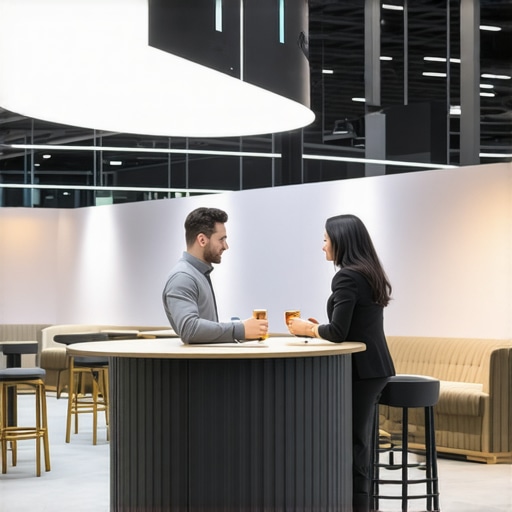
Make Every Table a Lead Magnet
One of the most effective moves I ever made was ditching the massive registration desk for a few high-top cocktail tables. When you know how to turn a standard cocktail table into a lead magnet, you change the power dynamic. Instead of sitting behind a “fortress,” you are standing with them. At a cybersecurity conference last year, I used a simple deck of cards on a felt-topped cocktail table. As people walked by, I did not ask “Can I help you?” I just asked, “Do you have a second to see something impossible?” That simple hook, combined with the hidden sleight of hand tactics used at high-end trade shows, stopped them in their tracks. While they were trying to figure out where the Ace of Spades went, I was qualifying them as leads.
Master the Flow Without Doubling Your Staff
You do not need a dozen people working your booth if you have the right “passive” engagement tools. Most people think they need interactive event apps to keep people busy, but those often backfire because people end up staring at their phones instead of talking to you. Instead, look at your physical environment. If you are hosting an outdoor event, something as simple as how heated tent rentals can create a cozy atmosphere can be the difference between a lead staying for five minutes or five seconds.
Pick the Right Surface for the Job
If you plan on using any kind of tactile engagement, pay attention to your rentals. I once tried to perform a card routine on a cheap plastic table and the cards stuck to the surface like glue. It was embarrassing. Now, I always check the material because choosing the best surface for coin magic or card flourishes is about professionalism. Even if you are not doing “magic,” a high-quality surface makes your brochures and samples feel more premium. It is about removing the friction that leads to lead bleed. Whether you are managing mechanical bull rental lines or a software demo, the goal is to keep the energy high and the distractions low.
Everyone tells you that you need the latest AI-driven attendee tracking and VR headsets to stay relevant. I used to buy into that. I would load my booth with tablets and sensors, thinking I was cutting edge. But here is the contrarian truth: the more screens you put between you and a prospect, the less they trust you. We see this constantly in high-stakes environments where the tech becomes a wall rather than a window. This is exactly why virtual event production needs more human interaction and less tech. If you are relying on an app to do your networking, you are already losing. In my experience, high-tech tools often serve as a crutch for teams who do not know how to start a real conversation. When virtual event production errors cost you credibility, it is usually because the human element was treated as an afterthought.
How do you balance high-energy fun without looking like a carnival?
This is the question that separates the pros from the amateurs. You want to attract a crowd, but you do not want to attract the wrong crowd. I once saw a company lose a massive contract because they placed their high-end consulting station right next to a chaotic activity area they had brought in to “bring the energy.” The noise and chaos made a serious conversation impossible. This is one of the biggest reasons your trade show ROI is lower than you think. You have to curate the environment for the specific result you want, not just for the general “vibe.” For instance, there is a specific problem with jumper rentals and high-energy magic shows if they are not zoned correctly; they can distract from your core message. According to data from the Trade Show News Network (TSNN), nearly 46% of attendees say that personal interaction is the most influential factor in their purchasing decisions, yet exhibitors keep burying that interaction under complex digital layers.
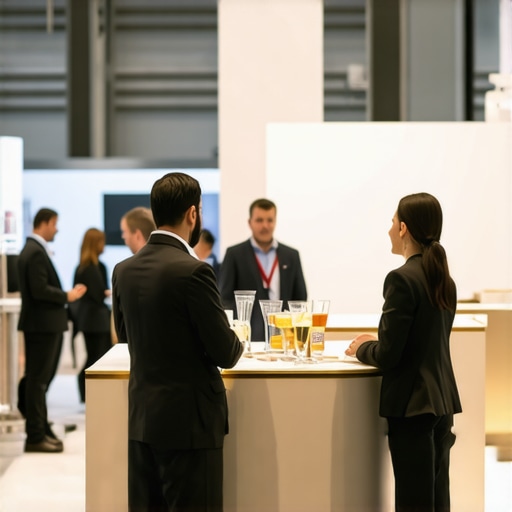
Another “oops” factor I see constantly is the failure to coordinate the physical logistics of the booth with the actual performance of the staff. I have seen beautiful setups ruined because someone did not consider how stage setup services can ruin your sleight of hand routine or sales pitch by placing a speaker right at head height. Or worse, failing to account for the mess—like how to handle cards with messy fingers after a food rental goes wrong. These tiny details are what create “lead bleed.” When your environment is clunky, your brand feels clunky. Instead of over-investing in gadgets, invest in the interactive event apps alternative that actually builds trust: real, face-to-face engagement supported by smart, clean design. Have you ever fallen into the trap of over-complicating your booth with tech that no one actually uses? Let me know in the comments.
Once the initial rush of the morning crowd fades, the real work of maintenance begins. I have seen too many planners spend their entire budget on the setup and then let the execution rot. Scaling your success requires a mix of reliable hardware and ruthless follow-up protocols. For me, the ‘tool’ isn’t just a piece of software; it’s the ecosystem you build around your staff. I swear by using a dedicated lead capture app like Cvent or even a customized HubSpot form on a tablet, but the magic only happens if your team is trained on the transition from a casual chat to a data capture moment. This is exactly where the the timeline management move that stops event flow from stalling comes into play. If your team is stuck in a 20-minute conversation with one person while five others walk by, you’re bleeding money.
How do I keep lead quality high during a multi-day event?
Maintaining energy and quality over a long weekend is a marathon, not a sprint. I personally use a ‘red-yellow-green’ tagging system in my CRM for every lead. ‘Green’ means they have a specific project and budget; ‘Red’ means they just wanted a free pen. This prevents your sales team from wasting time on low-value follow-ups later. To keep the physical environment from looking tired, you have to treat it like a theater. I have seen how shorter corporate keynotes can increase attendee information retention, and the same logic applies to your booth interactions. Keep them punchy, high-value, and move them through the funnel. Even the choice of furniture matters for long-term comfort; for example, the chiavari chair rental tip that improves guest comfort during a show can be applied to your staff’s break area to ensure they stay sharp when they are on the floor. 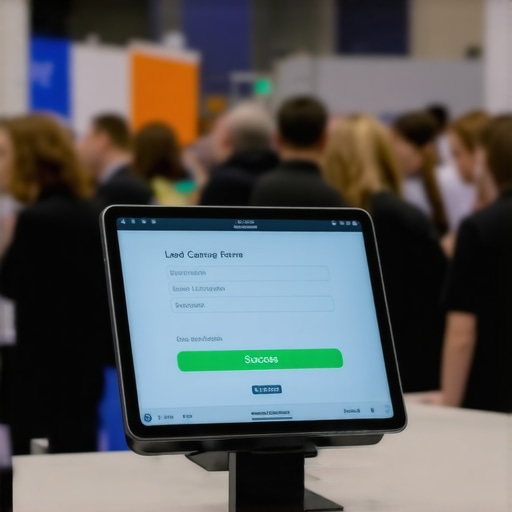 Looking ahead, I predict a massive shift away from ‘passive’ booths toward ‘micro-experiences.’ In the next three years, if you aren’t offering a 60-second interactive workshop or a personalized data insight at your booth, you’ll be invisible. We are already seeing this with the mystery and illusion workshop fix for stale team building, where participation is the new currency. To maintain your edge, you need to audit your tech stack regularly. According to a report by Exhibitor Magazine, companies that follow up with leads within 48 hours see a 60% higher conversion rate than those who wait a week. I don’t wait 48 hours; I set up an automated ‘It was great meeting you’ email that triggers the moment the lead is scanned. This is the interactive event apps alternative that actually builds trust because it feels immediate and professional. My advanced tip for you today: stop using paper lead cards immediately. Switch to a digital scanner that allows for ‘voice-to-text’ notes. Being able to record that a prospect mentioned their daughter’s graduation or a specific software pain point is the difference between a cold call and a warm relationship. Try implementing a mandatory ‘debrief’ note for every single scan at your next show and watch your conversion rates double.
What the “Big Booth” Ego Cost Me and How You Can Avoid It
For years, I believed that bigger meant better. I thought if my booth wasn’t the tallest in the hall, I was losing. But the hardest lesson I learned was that a massive footprint often creates a massive distance between you and your prospect. I’ve found that using natural materials for better illusions and engagement actually beats high-gloss plastic every time. You have to remember that your booth is a tool, not a monument. When you realize that generic event design trends often fail your live entertainer or sales team, you start designing for people, not for photographs. My biggest lightbulb moment was when I stopped trying to impress my competitors and started trying to help my customers.
#IMAGE_PLACEHOLDER_E#
The Only Gear I Pack for a High-Stakes Show
I don’t leave for a trade show without a few non-negotiables that have saved my ROI more times than I can count. First, I always ensure I have control over my environment; even if I’m not performing, choosing the best surface for coin magic or high-touch demonstrations is vital because tactile quality translates to brand trust. Second, I rely on the Exhibitor Magazine archives for data-driven layout ideas—they are the gold standard for show-floor psychology. Third, I highly recommend the book “The Tipping Point” by Malcolm Gladwell; it completely changed how I view the “social connectors” on my trade show team. Finally, never underestimate the power of comfort; I’ve seen how luxury restroom trailers impact your corporate event brand image by keeping attendees happy and on-site longer, which indirectly fuels your booth traffic.
Stop Watching the Crowd Walk By
You have the strategy, the tools, and the mindset shift to turn things around. Don’t let another event go by where you feel like a spectator at your own booth. The future of live event production is deeply personal and highly interactive. Go out there, break the “aisle-trance,” and start making connections that actually move the needle. Have you ever tried a specific “hook” that totally flopped, or one that brought the house down? Let me know in the comments below!