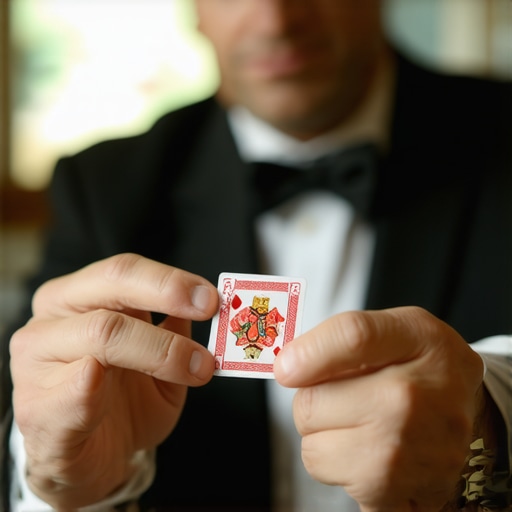
Imagine you’re at a bustling trade show, holding a deck of cards, when suddenly, your audience is captivated by a simple yet astonishing trick. They’re leaning in, eyes wide, trusting you with their attention — and more importantly, their belief. But just a few months ago, I struggled with exactly this. Despite practicing sleight of hand for years, I couldn’t seem to connect with my audience enough to truly build that sense of trust. Every magic trick felt isolated, disconnected from the people watching. That was my lightbulb moment: magic isn’t just about the move — it’s about creating a genuine bond.
Why Building Trust Matters in Close-Up Magic
In the world of close-up magic, especially at events and trade shows, trust is everything. Your audience isn’t just watching a trick — they’re deciding whether to believe in you, to stay engaged, and to share the experience with others. Without trust, even the most impressive sleight of hand falls flat. According to a recent study by the Journal of Performance Psychology, audience trust directly correlates with perceived magician credibility and overall entertainment value. That’s why mastering interactive magic techniques that foster trust can transform your performances from good to unforgettable.
If you’ve ever felt that your magic isn’t landing, or that your audience is polite but not truly engaged, you’re not alone. I made the mistake early on of focusing solely on perfecting my sleight of hand without paying attention to the connection I was building. I thought that flawless technique was enough. But the truth is, without genuine interaction and trust, even the slickest moves are just tricks. Want to level up your game? I’ll show you how to do it by diving into practical strategies that I personally use — and they’re surprisingly simple to implement.
Have you faced the challenge of convincing your audience you’re trustworthy, or do you worry your tricks aren’t enough to keep them engaged? If so, stick around. We’ll explore actionable steps that can help you craft interactive magic performances that boost trust and make your audience eager for more.
Make Your Moves Count
Start with mastering quick, confident sleight of hand techniques that don’t just impress but also establish your credibility. Practice under real conditions, like at a noisy event, so your control becomes second nature. For example, I once tried a flashy move during a trade show, but my nerves caused a slip. Instead, focusing on smooth, fast, and reliable tricks from this resource helped me build trust faster. Remember, speed combined with consistency is your best tool for instant trust.
Engage with Intent
Don’t just perform; interact. Use your magic to involve your audience directly—ask questions, invite a volunteer, or have them examine a card or coin. When I did a routine where a spectator held the coin, I used a quick distraction to switch it, then let them verify it. This level of interaction, detailed in this article, makes your audience feel part of the magic and builds trust that your tricks are honest.
Show Your Human Side
People trust people more than tricks. Share a quick personal story or a light joke during your performance. For instance, I once joked about my clumsy fingers while doing a card trick, which made the audience laugh and lowered their guard. This human connection, discussed in this guide, transforms a performance into a memorable experience. Authenticity creates trust—be genuine, be relatable.
Use Visual Cues to Build Trust
Maintain eye contact and use expressive gestures to reinforce your honesty and confidence. A steady gaze while executing a move signals mastery and transparency. I found that when I maintained eye contact during a quick card switch, the audience believed more in my sincerity, even if they didn’t understand the trick. For tips on how to enhance your presence, check this resource.
Practice in Real-World Settings
Replicate trade show conditions during practice. Perform in noisy environments, with distractions, or while standing up. The more you simulate the actual environment, the more your confidence and smoothness improve. I once practiced in a crowded café, which made my routine more resilient. Practice this way consistently to ensure your trust-building techniques become second nature.
Monitor and Adapt Your Approach
Pay attention to audience reactions. If someone looks skeptical, adjust your approach—add humor, slow down, or involve them more. I once noticed a visitor crossing arms, signaling doubt, so I switched to a more personal story and a slower reveal, which instantly boosted engagement. This agility is key, and for more strategies, see this article.
Many practitioners of trade show, close-up magic, and interactive performances fall into common traps based on misconceptions that hinder their effectiveness. Let’s dig deeper into what most people get wrong and how to avoid these pitfalls. A prevalent myth is that flawless sleight of hand alone guarantees audience trust. In reality, even the most perfect technique can fall flat without genuine engagement and rapport. Relying solely on technical mastery can make your performance seem robotic, which diminishes the authenticity that builds trust. To truly excel, you need to master the art of interaction and emotional connection, as highlighted in this comprehensive guide.
Keeping your magic tricks reliable and impressive over time requires more than just initial practice; it demands consistent maintenance, the right tools, and strategic scaling. As a performer specializing in close-up magic at trade shows and interactive shows, I’ve developed a set of tried-and-true methods to ensure my equipment remains in top shape, my techniques stay sharp, and my performances can grow with my experience.
How do I maintain my magic tools for long-term success?
The first step is investing in high-quality, durable tools. For example, I prefer Gimmicked Cards made from laminated stock—they resist wear and tear, giving me consistent performance session after session. Regular cleaning is essential; I use microfiber cloths and specialized cleaning solutions to keep my cards, coins, and other props spotless, preventing dirt and oils from affecting sleight of hand.
Next, I rely heavily on digital tools like video recordings of my routines. Watching my performances helps identify subtle flaws or repetitive gestures that could weaken trust. I also use software apps like CamTrack to analyze my hand movements frame-by-frame, ensuring my sleights are smooth and natural.
What equipment do I recommend for scalable, interactive magic?
For props, I suggest magnetic gimmicks that are easy to reset and incredibly reliable. They are perfect for trade show environments where quick setup is crucial. Additionally, I utilize specialized gimmicks designed for rapid deployment, which can be scaled up for larger audiences or more complex routines.
On the tech side, I employ portable lighting and small wireless microphones to enhance visibility and audibility, especially in noisy environments. These tools are vital for maintaining audience engagement and trust during longer performances or multiple shows in one day.
How do I scale my magic performances effectively?
Scaling begins with mastering core routines and then adapting them for bigger audiences or more elaborate interactions. I recommend gradually incorporating advanced sleight techniques and multi-part routines, ensuring your foundation remains solid. Additionally, investing in modular props allows you to customize your show without starting from scratch each time.
As the trend in magic shifts toward immersive experiences, I predict that integrating augmented reality (AR) elements and interactive apps will become standard. These innovations will enable performers to create personalized, memorable moments while maintaining the reliability of their core tools.
What’s the best way to keep my tools working flawlessly over time?
Consistent maintenance is key. Schedule regular inspections of your props, replace worn parts promptly, and keep your equipment stored in protective cases. Also, stay updated with the latest innovations in magic gear and software by following industry blogs and forums. Practice in real-world settings frequently to ensure your tools perform under the same conditions you’ll face during actual shows.
Remember, the key to long-term success in interactive magic is not just having the right tools but maintaining them diligently and adapting your setup as you grow. Don’t hesitate to try out new gadgets or techniques—just ensure they integrate seamlessly with your existing routine for the best results. For more detailed advice on building durable, trust-boosting routines, check this comprehensive guide.
The Hardest Lesson I Learned About Trust in Magic
One of the biggest surprises was realizing that even flawless sleight of hand isn’t enough. Audience engagement and genuine rapport matter more than I initially thought. I once spent hours perfecting a card trick, only to find that my audience remained skeptical because I wasn’t connecting with them emotionally. That was my wake-up call: trust is built through authenticity, not just technique.
How I Discovered the Power of Personal Stories
Sharing quick personal anecdotes during my routines helped me lower the audience’s defenses. For example, joking about my clumsy fingers made everyone laugh and relaxed the mood. It’s incredible how a simple story can make your magic more relatable and trustworthy. If you want to deepen that connection, check out this guide.
The Truth About Technical Perfection and Trust
I used to believe that perfecting every move was the key, but I learned that audience perception is about more than just flawless execution. Speed and consistency help establish credibility, but they must be paired with genuine interaction. Practicing in noisy environments, like a busy café, made my routines more resilient. This taught me that real-world practice is essential for trust-building.
What I Wish I Knew When I Started
Early on, I underestimated the importance of visual cues like eye contact and expressive gestures. Maintaining steady eye contact during a routine signals confidence and honesty. I found that when I looked directly at my audience, they believed in my sincerity even if they didn’t understand the trick. For more insights, see this resource.
My Favorite Tools for Consistent Trust
Investing in high-quality props and props that are quick to reset has been a game-changer. I rely on laminated gimmicked cards and magnetic props for their durability and reliability. Additionally, I use video recordings of my routines to analyze and improve my performance. These tools help me maintain a high standard and build trust consistently over time, especially in fast-paced trade show environments. For my top recommendations, visit this page.
Why Scaling Your Magic is About More Than Bigger Tricks
Scaling your trade show magic involves mastering core routines and adapting them for larger audiences. I gradually incorporate more complex sleights and modular props to keep my show fresh and engaging. The future of interactive magic might include augmented reality elements, which I’m excited to explore. The key is to stay adaptable and keep your tools maintained and reliable, as explained in this guide.
How I Keep My Equipment in Top Shape
Regular maintenance, such as cleaning with microfiber cloths and replacing worn parts, ensures my props perform flawlessly. Staying updated with new gear and software also helps me evolve my routines. Practice in real-world settings is essential—performing in noisy environments or with distractions prepares me for actual trade show conditions. I believe that diligent upkeep of your tools directly influences your audience’s trust and your success.






This article hits so many key points that I’ve experienced firsthand during my performances at trade shows. I used to believe that flawless sleight of hand was enough to keep my audience engaged, but I realized the importance of genuine interaction and building trust. Sharing quick stories and using eye contact really do create that authentic connection. I particularly liked the advice on practicing in noisy environments to simulate real conditions; it’s a game-changer for me. One challenge I often face is maintaining fresh routines when I perform multiple times a day. Have others found good ways to keep their act lively and engaging without losing energy? Any tips for effectively scaling routines while maintaining that personal touch? I’m eager to hear more strategies from the community since continuous improvement is essential to keep the trust high.
This post resonates with me because I’ve noticed that the most memorable performances are those where I genuinely connect with my audience. I’ve found that sharing a quick personal story or even a light joke during routines really helps lower their defenses and makes the magic feel more real. I also agree with the emphasis on practicing in noisy or distracting environments—once I started doing that, my routines became much more resilient.
Regarding keeping routines fresh with multiple performances a day, I try to vary my interactions slightly and switch up some patter or jokes to match the energy of the crowd. Has anyone experimented with blending different types of illusions or routines within the same set to avoid repetition?
It’s fascinating how much the emotional aspect and genuine engagement impact trust, often more than the actual trick. What are some creative ways you’ve found to maintain that personal touch while scaling your act for larger audiences or multiple showings? Would love to hear others’ experiences or tips on this!”,