
Ever had that sinking feeling when a magic trick falls flat, and suddenly, your audience’s trust seems to evaporate right before your eyes? I remember my first few trade shows vividly—trying to dazzle with sleight of hand, only to see skepticism replace wonder. It was a brutal lesson: without the right approach, even the most impressive tricks can backfire, leaving your message lost in the shuffle. But here’s the good news: I found that mastering a few key sleight of hand techniques can turn the tide completely, transforming nervous hesitation into genuine trust and engagement.
Why Trust Matters in Trade Show Magic
Trade shows are crowded, noisy, and fast-paced. Your goal isn’t just to entertain; it’s to build trust quickly. When you demonstrate skill and confidence with your magic, you position yourself as an authority—someone they can rely on. That trust paves the way for meaningful conversations and memorable impressions. But here’s the catch: if your sleight of hand looks sloppy or uncertain, it can have the opposite effect, making prospects doubt your professionalism even more than they doubted your product or service.
Is Sleight of Hand Actually Worth the Hype?
Early on, I made a huge mistake—thinking that flashy tricks alone would wow my audience. Turns out, without clean execution and a focus on building rapport, I was just another magician in a sea of distractions. It’s tempting to think that complex illusions will do all the work, but the truth is, simple, well-practiced sleight of hand often creates more trust because it’s believable. For a deep dive into the real secrets behind trustworthy magic, check out this guide on trusted trade show magic.
Today, I’ll share practical tips that helped me refine my craft and boost my impact. These aren’t gimmicks—they’re proven techniques grounded in real experience. Ready to learn how to make your magic work for your brand? Let’s dive into the details that will elevate your game and help you win trust fast.
Practice with Purpose and Precision
Think of your sleight of hand as a musical instrument; the more you practice, the more natural and trustworthy your performance becomes. I recall a time when I was preparing for a trade show, and I dedicated hours to perfecting a simple coin vanish. Initially, my hands trembled, and the trick looked jittery. But by focusing on smooth, deliberate movements, I eventually created a seamless illusion that instantly boosted my credibility. To achieve this level of mastery, break down each trick into smaller steps and rehearse slowly, gradually increasing speed until your movements are fluid. For expert guidance on refining your sleight of hand, check out this detailed guide.
Use Visual Cues to Enhance Believability
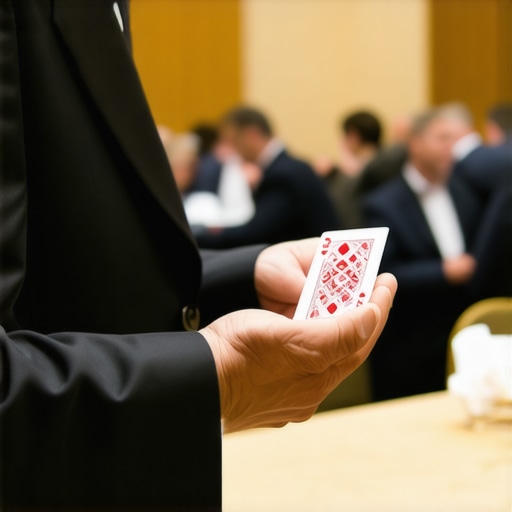
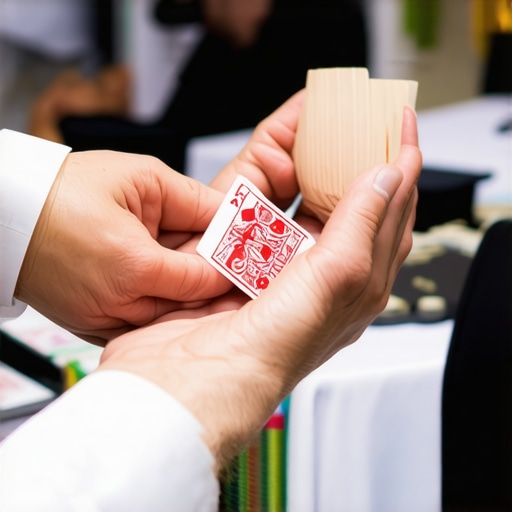
Your hands are your most powerful tools. Employ clear, decisive gestures that mimic natural movements to reassure your audience. For example, when performing a card switch, focus on keeping your hands visible and movements exaggerated enough to be seen but smooth enough to avoid suspicion. I once performed a coin vanish in a noisy trade show hall, and I made sure to raise my hands slightly to show the coin leaving my palm—this visual cue reassured my audience and eliminated doubts about my honesty. Remember, visual cues are critical for building instant trust.
Maintain Consistent and Confident Movements
Confidence in your movements translates directly into audience trust. Avoid hesitation or nervousness, which can undermine your credibility. A good way to develop this confidence is through slow, deliberate practice—think of it as the difference between a dancer and a novice: the dancer’s confident posture sells the performance. During my first few performances, I deliberately slowed down my movements to eliminate any signs of uncertainty. Over time, this consistency in motion made my tricks appear more convincing. For more tips on projecting confidence, see this resource.
Engage Through Interactive Techniques
Interaction is the secret sauce. Instead of just performing tricks, involve your audience—ask questions, invite their participation, or let them handle the props briefly. This not only makes the experience memorable but also creates a sense of trust. I once handed a card to a bystander to shuffle and then revealed it—this active involvement made my magic more believable and trustworthy. For specific strategies on engaging your audience, visit this guide.
Refine Your Performance Regularly
Continuous improvement is vital. Record your practice sessions, review your movements, and seek feedback from peers. I did this after my initial trade show performance, and I noticed subtle jerks in my hand movements that I hadn’t realized I was making. Correcting these small details increased my perceived professionalism and trustworthiness. Remember, mastery is an ongoing process. For more advanced techniques, explore this resource.
Many practitioners and even seasoned magicians believe that complex, flashy illusions are the best way to build trust at trade shows. However, this is a common misconception. In my experience, oversimplifying the importance of clean, deliberate movements can lead to a false sense of security and diminish your credibility. Instead, focusing on precision and authenticity in your sleight of hand creates a more trustworthy presence. For a deeper understanding of how to elevate your magic with authentic techniques, explore this guide on mastering trust through sleight of hand.
Maintaining your magic tricks and equipment is essential for consistent trust-building at trade shows. Over time, even the best tools can wear out or become less effective, so investing in the right maintenance routines and tools is crucial. I personally rely on high-quality, precision-crafted props that stand up to frequent use, such as customized deck of cards with reinforced corners and metal coin sets that resist tarnishing. Regular cleaning with specialized cloths and cleaners ensures your props stay pristine and reliable, which directly impacts audience trust.
What’s the secret to long-term tool performance?
One method I swear by is keeping a dedicated toolkit for magic props. This includes small screwdrivers, replacement parts, and lubricants for moving parts. For example, a tiny drop of silicone lubricant on a gimmicked coin can prevent squeaking and jamming, maintaining smooth execution. Additionally, I always carry backup props — you never know when a trick might fail unexpectedly, and having spares keeps your performance seamless. Investing in quality gear and routine upkeep extends the lifespan of your tools, saving you money and frustration in the long run.
Furthermore, I use software tools to record and analyze my performances. Apps like Magic Recorder allow me to review footage and spot subtle movements that might undermine trust. This kind of digital feedback helps me refine my technique continuously. As technology advances, I believe the trend toward smart props integrated with sensors will grow, providing real-time feedback and ensuring precision execution every time.
How do I maintain trustworthiness over time?
Consistency is key. Regularly practicing your sleight of hand with the same props, under similar conditions, ensures muscle memory and confidence. I recommend setting aside weekly sessions to rehearse, using the same equipment you’ll perform with. This not only keeps your skills sharp but also helps identify potential issues before performances. Remember, even the tiniest defect can break the illusion and harm your credibility.
For in-depth guidance on maintaining your magic tools and techniques, check out this comprehensive resource. It covers everything from prop maintenance to advanced sleight of hand methods that keep your magic trustworthy and engaging.
Finally, I suggest trying out one of the advanced tips I mentioned: routinely lubricate your gimmicks with a tiny amount of silicone spray. This simple step can dramatically improve performance reliability and increase audience confidence. Give it a shot during your next practice session and see the difference it makes!
The Hardest Lesson I Learned About Building Trust with Magic
Early in my career, I believed that dazzling illusions alone would win over my audience. It wasn’t until I faced a skeptical crowd that I realized the importance of authenticity and smooth execution. The moment I focused on clean, deliberate movements and genuine engagement, trust blossomed, transforming my performances into memorable experiences.
3 Myths About Sleight of Hand That Held Me Back
One common misconception was that complexity equates to credibility. I used to think elaborate tricks would impress, but I found that simple, well-practiced sleight of hand fostered more trust because it felt more believable. Additionally, I thought speed was key, but controlling tempo and confidence proved far more effective in establishing trustworthiness.
What Experts Won’t Tell You About Building Audience Trust Fast
Many seasoned magicians keep tight-lipped about the importance of visual cues and consistent gestures. These subtle signals reassure your audience and create an aura of honesty. Incorporating clear, visible movements and maintaining steady confidence even in noisy environments can dramatically enhance your trust-building efforts.
Curated Recommendations for Elevating Your Trade Show Magic
My Essential Toolkit for Trustworthy Magic includes high-quality props like reinforced cards and tarnish-resistant coins, which I rely on daily for reliability. This resource offers advanced techniques to refine your sleight of hand, ensuring your tricks look seamless and trustworthy. For broader insight, this guide explores how interactivity boosts engagement and trust.
Your Turn to Try
Trust is the currency of successful trade show magic. By practicing with purpose, using visual cues, and engaging interactively, you can turn fleeting tricks into lasting trust. Remember, mastery is ongoing—every performance is an opportunity to improve and connect more deeply with your audience.
What’s your biggest challenge when it comes to building trust with your magic during trade shows? Let me know below!




Reading this post really resonated with my own experiences in the trade show world. I’ve found that building trust isn’t just about perfecting the sleight of hand but also about connecting with your audience on a human level. Early in my career, I focused heavily on the tricks themselves but realized that genuine engagement and confidence make a huge difference. For me, involving the audience—like handing props or asking questions—sometimes has more impact than the trick itself. Curious to hear from others: How do you balance technical skill with authentic interaction to foster trust at busy trade events? I think honing both aspects, along with consistent practice, is key to turning fleeting moments into long-lasting relationships.
This post really hit home for me, especially the part about practicing with purpose. I used to focus a lot on flashy tricks, believing that complexity alone would impress clients. Over time, I realized that the key is in the simplicity and confidence behind your movements. Like the author mentioned, breaking tricks down into smaller parts and rehearsing slowly helps create that natural flow that builds trust. I also found that incorporating visual cues, like clearly showing the coin leaving my hand, makes a big difference in credibility, especially in noisy environments. Has anyone experimented with digital tools or apps to record and analyze your routines? I started using a simple video recorder to review my performances, and the subtle nuances I picked up on greatly improved my confidence and audience engagement. What techniques have others found effective for refining their movements under pressure?
I really appreciated this post’s emphasis on intentional practice and visual cues—those are the pillars of trustworthy magic. From my experience, the difference between a good show and a great one is often in the details, like smooth transitions and subtle gestures that reinforce credibility. I’ve also started incorporating mental rehearsal alongside physical practice, imagining myself in a noisy environment and practicing my movements in front of a mirror. That has helped me develop a calm confidence that translates into my actual performances. One thing I’d add is the importance of maintaining your props regularly to ensure they perform consistently, especially during long show days. Have others experimented with combining physical practice with mental techniques like visualization? I’d love to hear what strategies work best for you to stay consistent and trustworthy under pressure.