

I’ll never forget the cold sweat I felt standing in a rented community center three years ago, staring at forty unenthusiastic faces. I had spent weeks on permit acquisition help and custom invitation design, but the room felt dead. The “icebreaker” was a standard Q&A that felt more like a deposition than a bonding exercise. It was a classic error in most team building activities that drives away top talent. I realized then that if you want people to actually talk, you can’t just put them in a room and hope for the best; you have to give them a shared problem that defies logic. That’s when I stumbled into the world of mystery and illusion workshops. It wasn’t just about entertainment; it was about shifting the collective mindset. Today, I’m going to show you how a few simple sleight-of-hand secrets can do more for your office morale than a decade of awkward pizza parties. [image_placeholder]
Throw Your Old Team Building Playbook in the Trash
Most companies are still begging for reviews of their internal culture while their employees are secretly looking for the exit. I made the mistake early on of thinking that “fun” meant “loud.” I once hired a mechanical bull rental for a software dev team, thinking it would be hilarious. It wasn’t. It was just a lot of sore backs and even more social anxiety. Real bonding happens when people are forced to collaborate on something that seems impossible. When you introduce mystery, you’re not just doing a show; you’re teaching a new language. I’ve seen how mystery and illusion workshops revive dying corporate culture by giving introverts and extroverts a level playing field. According to research from the Greater Good Science Center at UC Berkeley, experiencing “awe” — that feeling of being in the presence of something vast that transcends your understanding — actually makes people more generous and more likely to help their colleagues. That is exactly what an illusion provides. It’s a move to fix low engagement in corporate team building activities that works because it triggers curiosity instead of defensiveness.
Does teaching card tricks actually help us hit our KPIs?
I get it. You’re worried this is just a glorified magic show where Steve from accounting accidentally loses his watch. But here’s the thing: it’s not about the tricks; it’s about the psychology of perception. We dive into the art of sleight of hand for non-magicians, which is really just a masterclass in focus and communication. Have you ever felt like your team is just nodding along without actually listening? That’s the “dead air” we’re going to kill today. If you’ve ever sat through a bonding event that felt like a chore, I want to hear about it. What was the absolute worst icebreaker you’ve ever had to endure? By the time we’re done, you’ll see how experiential networking kills the awkward silence and how to implement these tactics without looking like a birthday party clown.
Control the room to control the attention
The first physical step in any successful workshop isn’t the magic itself; it’s the physical environment. If you’re in a massive, echoey hall with 30-foot ceilings, you’ve already lost the battle for focus. I once tried to lead a session in a cavernous hotel lobby where the sound system rental was fighting against a waterfall feature. It was a nightmare—no one could hear the subtleties of the instructions, and the ‘magic’ felt small and insignificant. You need to use pipe and drape rental to carve out an intimate theater within a larger room. If you are operating in an outdoor setting, you must consult the event tent rental checklist for high stakes illusion shows to ensure your acoustics aren’t swallowed by the wind. When the room is tight and focused, it forces the eye to stay on the presenter. This is the micro event planning move that eliminates guest social anxiety because it removes those vast, empty spaces where people usually hide. 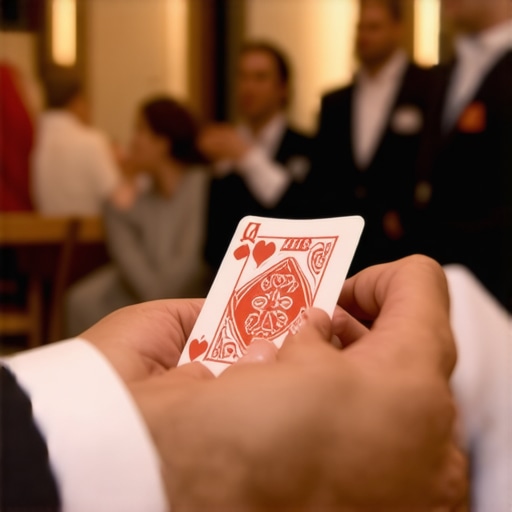
Get their hands moving to break the mental ice
Once the environment is locked down, we move straight into the mechanics. Don’t just perform for them; make them perform for each other. I always start with basic coin work because everyone has a quarter in their pocket. This approach transforms the hour into the mystery and illusion workshop that actually teaches new skills rather than just another passive spectator event. I remember a particularly stiff CFO at a fintech firm who insisted he ‘didn’t have the hands’ for this. Ten minutes into the drill, he successfully performed a ‘French Drop’ vanish. His face didn’t just light up; his entire posture shifted from defensive to inquisitive. This is the moment you explain that the art of sleight of hand why speed is less important than misdirection is the foundation of all communication. It’s not about how fast your fingers move; it’s about how effectively you manage the audience’s assumptions.
Translate the illusion into a high-stakes sales advantage
Finally, we bridge the gap between the ‘trick’ and the KPIs. Sleight of hand is ultimately a masterclass in focus management. We show teams how to use sleight of hand techniques to fix stale networking events by giving them a physical, impossible talking point. When a salesperson understands how to guide a client’s attention away from the price tag and toward the value proposition, they aren’t ‘tricking’ anyone—they are communicating more effectively. Using the sleight of hand techniques that build instant trust with new clients is a legitimate strategy for breaking down walls in a trade show booth setup. It demonstrates that you’ve mastered a difficult discipline and are willing to share the secret, which creates an immediate psychological bond that a generic brochure never could. It’s about being the most interesting person in the room without ever raising your voice.
If you’ve spent any time on a convention floor, you’ve seen the ‘tech arms race.’ Companies spend fifty grand on a 4K video wall and another ten on sound system rental just to be heard over their neighbors. But here is the nuance most marketing directors miss: flashy tech often acts as a digital fence. According to research published in the Journal of Consumer Research, sensory overload can lead to ‘choice paralysis,’ where attendees subconsciously avoid booths that feel too mentally taxing to process. I’ve found that the trade show booth tactic that actually stops foot traffic isn’t a brighter screen; it’s a human being doing something tactile and impossible. 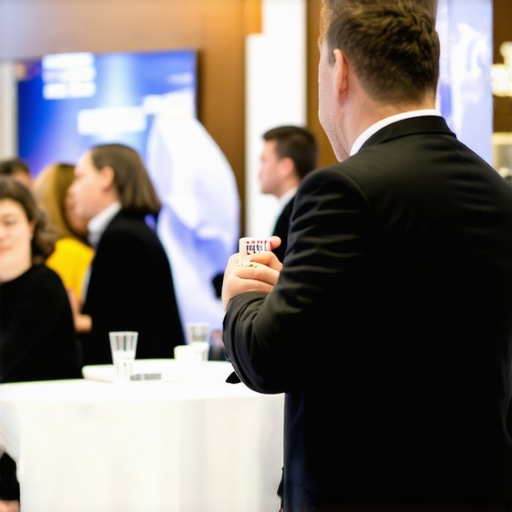
Your booth layout is secretly pushing people away
Most planners use pipe and drape rental to box themselves in, thinking it defines their ‘space.’ In reality, it creates a defensive perimeter. The biggest ‘oops’ I see is placing a high counter at the very edge of the booth. It’s a physical barrier that signals ‘don’t cross this line.’ If you want to bridge that gap, you have to look at the micro event planning gap that magic fills perfectly. You want an open flow where the transition from the aisle to your brand story is seamless. I’ve seen teams lose dozens of leads because their event photography services were positioned in a way that blocked the natural walking path. Have you ever fallen into the ‘barrier trap’ where your furniture actually stopped a conversation before it started? Let me know in the comments.
How do you maintain brand authority without sounding like a pushy salesman?
This is where the ‘advanced’ level of engagement happens. It’s about shifting from a pitch to a performance. I frequently argue that why trade show magic is the ultimate ROI tool for tech brands isn’t about the tricks; it’s about the demonstration of mastery. When you use the trade show magic move that guaranteed more badge scans, you are essentially providing a dopamine hit that rewards the guest for stopping. You aren’t begging for their time; you are offering value before you even ask for their business card. This is the same reason why why most team building activities are a massive waste of company resources—they lack that immediate, visceral reward. If you aren’t creating a ‘moment of wonder,’ you’re just another line item in their budget.
Even with a perfect trade show booth setup, your physical tools will eventually fail if you do not respect the rigors of maintenance. I carry a specialized kit that goes beyond just cards or props. For instance, I use a Joe Porper stainless steel clip to ensure my decks do not warp under the heat of a sound system rental stack or the humidity of a crowded exhibition hall. If you have ever tried to perform after a spill, you already know the truth about keeping magic props dry near a foam party machine rental—it is nearly impossible without a backup plan and protective gear. This is where your permit acquisition help comes in handy for larger setups; you need the right clearances to ensure your high-tech props are safe from environmental hazards during milestone birthday events or corporate galas.
How do I keep my team sharp after the workshop ends?
The biggest mistake I see in corporate planning is ‘event amnesia.’ People have a blast during the team building activities, then return to their silos the very next morning. To combat this, I have started using why most interactive event apps are a waste of guest time as a cautionary tale to build something more sustainable. I now provide a digital follow-up where AI corporate integration sends custom, automated puzzles to the team’s internal communication channel for three weeks post-event. It keeps the neural pathways of curiosity open. We have found that the lessons in how hyper-personalization services can double your trade show leads apply to internal culture just as much as external sales. 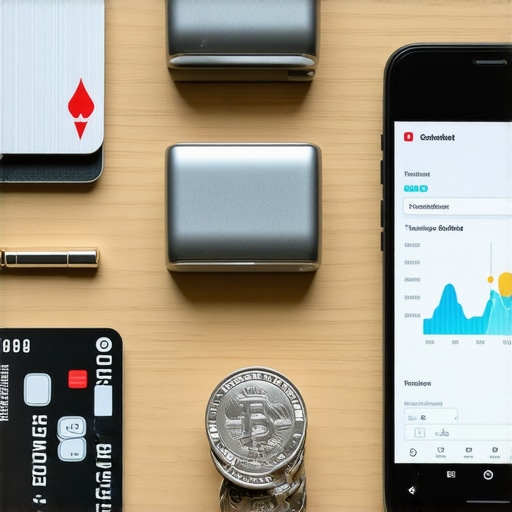 I believe the future of this industry lies in the ‘Invisible Tech’ layer. We are moving toward a world where how interactive event apps can be used to secretly assist magicians becomes the standard for high-stakes trade shows. Imagine an AI that listens to a guest’s name and whispers a personal detail into a performer’s earpiece via a bone-conduction headset. It sounds like science fiction, but the hardware already exists. As Darwin Ortiz notes in his seminal work Strong Magic, the ‘Critical Interval’—the time between the cause and the effect—is where the real miracle lives. AI allows us to stretch that interval until it disappears. If you want to stay ahead, stop looking for bigger screens and start looking for ways to make the technology feel like an extension of your own intuition. I challenge you to take one process in your current event workflow—whether it is your custom invitation design or your event photography services—and find an AI tool that makes it feel invisible rather than intrusive.
The Hardest Lesson I Learned After a Mechanical Bull Disaster
I used to think that the secret to engagement was high-octane physical activity. I was wrong. My reliance on a mechanical bull rental taught me that forcing people into high-risk, low-reward social situations actually shuts them down. I’ve realized that the error in most team building activities is ignoring the psychological safety of the attendees. Now, I focus on ‘low floor, high ceiling’ activities—tasks that are easy to start but offer a massive sense of accomplishment, like learning a basic sleight-of-hand move. This shift is why I often advocate for why most team building activities are a massive waste of company resources unless they provide a genuine new skill. Real bonding doesn’t come from falling off a machine; it comes from sharing a secret.
[image_placeholder]
The Exact Books and Tools I Use to Kill Boredom
If you want to go deeper than a standard surface-level event, you need the right references. I swear by Darwin Ortiz’s Strong Magic for understanding the ‘why’ behind human attention. For physical setup, I always recommend a high-quality pipe and drape rental to eliminate visual noise—you can’t create mystery if the audience is looking at a fire exit or a service hallway. When planning, I treat custom invitation design as the first ‘act’ of the show, setting the stage before they even arrive. I also look at the mystery and illusion workshops guide to professional ice breaking to ensure the flow is seamless from the first minute. Finally, keeping an eye on why experiential networking is the future of b2b lead generation will keep your strategy ahead of the curve.
Start Turning Your Guests into the Stars of the Show
The goal isn’t just to entertain; it’s to transform. Whether you are managing a complex trade show booth setup or coordinating milestone birthday events, the human element is your strongest asset. Don’t let your sound system rental or event photography services become the focal point; let them be the support for a lived experience. If you need permit acquisition help to create a custom pop-up space, do it—the exclusivity adds to the magic. By integrating AI corporate integration into your follow-ups, you ensure the ‘wow’ factor lasts long after the final curtain. Remember, the trade show magic move that guaranteed more badge scans isn’t a trick; it’s a connection. Have you ever had a team-building moment that actually changed the way you worked with someone? Tell me your story in the comments below.