
I remember standing in a 10×10 booth at a major tech expo years ago, staring at a bowl of expensive chocolates that was disappearing into the pockets of people who wouldn’t even make eye contact with me. My feet were throbbing, and my booth felt like a broom closet compared to the neighboring giant’s two-story pavilion. I was convinced my lack of leads was a real estate problem. I was wrong. It took a few more failures for me to realize that people don’t ignore you because your booth is small; they ignore you because you aren’t giving them a reason to snap out of their ‘trade show trance.’ Today, I am going to show you how to flip that script and dominate the floor without spending another dime on square footage. Have you ever felt like a ghost at your own trade show booth, watching potential clients float right past you?
Stop Renting More Square Footage and Start Owning the Aisle
The biggest mistake I made early in my career was thinking that ‘flashy’ was the same as ‘effective.’ I once dumped a huge portion of my budget into a high-tech interactive show that was so complicated it actually created a bottleneck of confused attendees who just wanted to escape the noise. It was a disaster. What I should have focused on was the human element of my strategy. According to the Center for Exhibition Industry Research (CEIR), you have roughly 5 to 15 seconds to grab an attendee’s attention as they walk by your station. If you can’t interrupt their walking rhythm in that tiny window, you’ve lost them. This is why your trade show booth is being ignored by potential leads, regardless of how much you paid for that premium corner spot. You don’t need more space; you need a better way to stop feet.
Can a simple engagement strategy really outshine a million-dollar display?
It sounds a bit too good to be true, doesn’t it? You are probably skeptical that a modest setup can generate more buzz than a massive corporate structure. But I have seen it happen time and again. By implementing the trade show hook that stops walkers in their tracks, you create a psychological point of friction that forces a mental reset. It isn’t about being the loudest person in the room; it is about being the most interesting. I have found that specific trade show magic tactics can double your lead generation simply by leveraging the power of curiosity. We are going to dive into how you can use these high-touch moments to pull people in and keep them there long enough to actually hear your brand message.One of the biggest physical barriers I see is people essentially building a fortress out of their rental equipment. You see it every time—a giant counter right at the edge of the carpet that says ‘do not enter’ to every person walking by. I once worked with a client at a massive medical device expo who insisted on heavy, chest-high podiums across the entire front of their 10×20 space. They got zero traffic for the first four hours because it looked like a bank teller line. The moment we shoved those podiums to the back wall and learned how to pick event furniture rentals that do not block the view, the booth felt five times larger and people actually stepped onto the carpet. You want your booth to be an invitation, not an obstacle course. 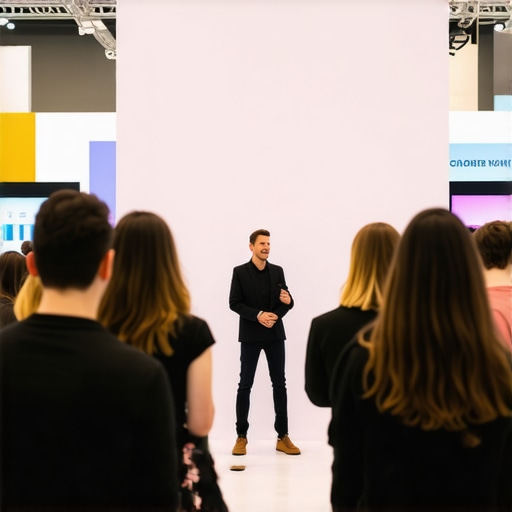
Tear Down the Furniture Fortress
You have to think of your booth floor like a retail store. If the front door is blocked by a table, people will just look through the window and keep walking. In my experience, removing the ‘reception desk’ is the fastest way to increase lead counts. Instead, use minimalist high-tops or open space that allows for flow. This isn’t just about aesthetics; it is about psychological safety. Attendees are already overwhelmed; they don’t want to feel trapped behind a desk.
Create an Aisle-Friendly Entry Point
Next, you have to realize that digital gadgets are often a crutch for people who are afraid to initiate a conversation. I’ve seen companies spend their entire marketing budget on custom software only to find that interactive event apps are not a substitute for live connection. To actually stop a walker, you need a tactile or visual ‘pattern interrupt.’ For me, that’s usually a mentalism piece that relates back to the product. For you, it might be a live demo or a unique physical object. The key is the ‘Hook, Look, and Book’ method.
The Hook-Look-Book System
This is a three-phase execution that I developed after years of trial and error on the floor. Phase one is the Hook. This is the trade show booth tactic that actually stops foot traffic by creating a moment of genuine curiosity. I remember a show in Las Vegas where I used a simple bill-to-lemon trick right on the aisle edge. The moment people saw a signed dollar bill emerge from a sealed lemon, a crowd of twenty people formed in seconds. That crowd is your inventory. While their brains are busy trying to solve the puzzle, you transition into Phase two: The Reveal. This is where you use sleight-of-hand techniques to reveal your brand message. If I can make a playing card disappear, I can explain how your software makes ‘data silos’ disappear. It’s about using the magic as a metaphor for the solution you provide.
Mastering the Hand-Off for Maximum Scans
Phase three is the Book. Once the ‘wow’ moment hits, you don’t just say ‘thanks for watching’ and let them walk away. You move straight to the badge scan while the dopamine is still high. This specific trade show magic move that guaranteed more badge scans works because you’ve earned their time. You aren’t a solicitor anymore; you’re an entertainer who just shared a secret. This builds immediate rapport, making it significantly easier to close more deals at trade shows because the social friction has been vaporized. Don’t overlook the logistics of the environment either. If you are doing an outdoor activation, your heated tent rental is the key to successful winter trade shows because physical comfort equals dwell time. If people are shivering, they aren’t listening to your pitch. I’ve seen incredible presentations fail because the ‘stage’ was a literal puddle or the chairs were so uncomfortable that guests left before the pitch. It’s all about knowing how to avoid the messiest mistakes in event rentals so your brand message remains the undisputed star of the show.Most professionals assume that if they rent the shiniest new thing—the latest interactive photo booth or a massive moonwalk rental—the engagement will handle itself. This is a trap I see even veteran marketers fall into. In my years on the floor, I have watched million-dollar tech setups fail because they ignored basic human psychology. We often think that more is more, but the reality is that most interactive event apps are a waste of guest time if they don’t facilitate a direct human connection. The hidden nuance of a successful floor strategy isn’t about what you rent, but how that rental dictates the movement of the human body. Have you ever fallen into this trap where a shiny object actually ruined your real engagement? Let me know in the comments.
Stop Falling for the High-Tech Distraction Trap
The ‘Oops’ factor in event planning usually happens when you prioritize the gadget over the goal. I have seen companies spend thirty thousand dollars on custom touchscreen kiosks, only to realize that the screens acted as a wall between the staff and the prospects. This is exactly why interactive event apps often kill real networking opportunities. If your attendees are staring at their phones or a monitor, they aren’t looking at you. Expertise means knowing when to use a rental as a bridge rather than a barrier. For example, the problem with standard event furniture rentals is often their height and depth; they are designed for storage, not for the intimate, close-up interaction required to build trust. 
Can a Poor Seating Layout Actually Tank Your Lead Conversion?
It sounds minor, but the physical comfort of your guests dictates the length of your pitch. I have seen high-stakes presentations fall flat because of the hidden danger of cheap chiavari chair rentals. If a guest is shifting in discomfort or feels like they are being squeezed into a tiny space, their brain is subconsciously screaming for an exit. According to a study on environmental psychology by the Journal of Convention & Event Tourism, the physical ‘densification’ of a space directly impacts the perceived quality of the interaction. When you choose your layout, remember that your chiavari chair rental layout might be too cramped for natural movement, which triggers a flight response in your leads.
Avoid the Messy Logistical Nightmares
Advanced planners also know that mixing different rental types requires technical foresight. For instance, if you are running a high-energy activation, you must know the foam party machine rental safety tips for performers with electronics. I once saw a corporate gala where a foam machine was placed too close to a high-end soundboard; the resulting short-circuit killed the CEO’s keynote and ten thousand dollars’ worth of equipment in seconds. This is a prime example of how to avoid the messiest mistakes in event rentals. You have to account for the ‘splash zone’ of your attractions. Whether it is ensuring magic props stay dry near a foam party or making sure your event tent rental checklist accounts for wind resistance, the devil is always in the logistical details. Master the space, and you master the crowd.Maintaining the momentum after that initial ‘wow’ moment is where the real pros separate themselves from the amateurs. It’s one thing to stop a crowd once; it’s another to keep that machine running for a three-day conference without burning out your staff or your gear. I’ve found that the secret is in the ‘Micro-Engagement Loop.’ Instead of aiming for one massive explosion of energy, I focus on 7 micro event planning tips to keep small groups engaged longer. This keeps the energy sustainable and prevents that mid-afternoon slump that kills so many booths. I also personally swear by a simple ritual: every four hours, we reset the physical flow. I check if the chiavari chair rental hack for better audience flow is still working or if guests have inadvertently moved furniture into ‘fortress’ positions again.
Reliability is the Secret Ingredient of High-End Events
Scaling your impact also requires a fanatical devotion to safety and maintenance. If you’re incorporating something high-energy, like a foam activation, you need to know exactly how to prevent a foam party machine rental from damaging your stage. I’ve seen stages become ice rinks because someone forgot to check the drainage. It’s the same with larger setups; using the event tent rental tactic for staging large-scale illusions ensures that your ‘theatre’ remains a safe, controlled environment. According to the National Fire Protection Association (NFPA) 701 standard, all event textiles must meet specific flame propagation criteria—ignoring these ‘boring’ details is how a professional career ends prematurely. When it comes to physical tools, I carry a precision toolkit. For my sleight-of-hand work, I don’t just use any table; I use a custom-modified tripod stand that allows for 360-degree visibility. Most ‘standard’ tables provided by venues are either too wobbly or too low, forcing you to hunch over and break eye contact. 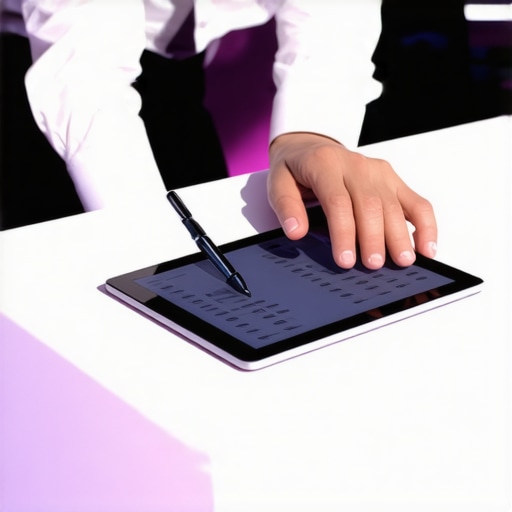
How do I keep my event strategy fresh year after year?
The answer is ‘Iterative Interaction.’ I treat every show as a data set. I use a tool called Trello to track which specific ‘Hooks’ generated the highest quality badge scans, not just the highest volume. I also believe that why the art of sleight-of-hand requires intense mental focus applies to your overall strategy; you have to stay sharp and present. Looking ahead, I predict we will see a massive pivot toward ‘Analog-Tech Fusion.’ We’re already moving away from screens and back toward tactile experiences where interactive event apps can be used to secretly assist magicians rather than replacing them. The technology will become the invisible stagehand, not the star. My advice? Stop looking for the next big gadget and start looking for the next way to make your guest feel like the only person in the room. Try this tomorrow: Walk to the front of your booth, stand exactly where a visitor would, and try to find three physical things that make you want to walk away. Fix them immediately.
The Unspoken Trade Show Realities That Changed My Game
One of the hardest lessons I learned is that your best leads aren’t the ones who take the most candy; they are the ones who stop because they felt a genuine spark of curiosity. I’ve realized that why interactive event apps fail during high stakes presentations is often because they lack the vulnerability of a human interaction. Another truth? Your staff is your most expensive rental. If they are hiding behind a counter, you are wasting money. I also stopped worrying about the competition’s booth size once I realized that why your corporate event entertainment is leaving money on the table comes down to timing and engagement, not square footage. Success is a series of small, intentional friction points that turn a walker into a talker.
The Toolkit I Never Leave Home Without
When I am preparing for a high-stakes show, I look beyond the basic booth kit provided by the venue. I study why micro event planning is the new standard for luxury bookings because it teaches us how to handle intimacy within a crowded expo environment. For those who want to add a layer of professional edge to their networking, the art of sleight of hand for non magicians is a masterclass in focus and psychology that I recommend to every sales lead. I also rely on a simple ‘Rule of Three’: keep three feet of clearance for entry, use three distinct focal points, and ensure your team has three seconds to hook a prospect before they drift away.
Go Reclaim Your Aisle Presence
The floor is waiting for someone to stop the noise and start a real conversation. You have the tools now to move past the generic displays and create something that actually resonates. Whether you are rethinking your layout or finally ditching the ‘fortress’ of furniture, remember that the trade show strategy for doubling leads is always rooted in human-to-human connection. Your trade show booth isn’t just a place to stand; it’s a stage for your brand’s best story. Don’t be afraid to be the most interesting person in the aisle. What is the biggest physical or psychological barrier currently standing between you and your leads? Let me know in the comments below.