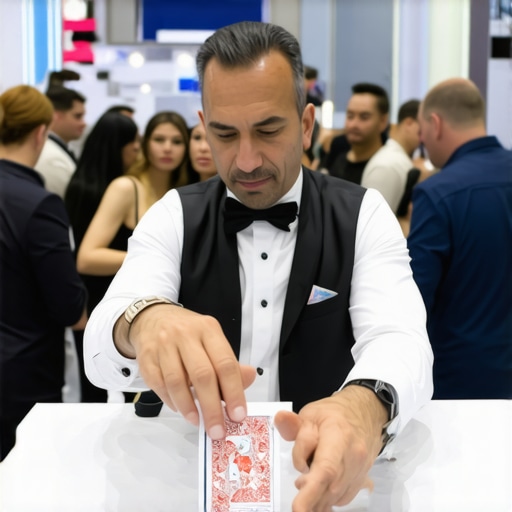
I still remember the nervy feeling in my stomach when I stepped onto my first trade show floor. Despite my best preparations, I watched potential clients pass by, their eyes glazing over as I struggled to stand out. That lightbulb moment hit me hard: no matter how polished your pitch, if you can’t capture attention and build trust instantly, all your effort might as well be invisible. In this fast-paced world of trade shows, where attention spans are shrinking and competition is fierce, engaging your audience with compelling magic isn’t just a gimmick—it’s a strategic necessity.
Why Your Trade Show Presence Needs a Magic Makeover in 2024
Every year, trade show attendees are bombarded with countless booths and pitches, making it harder than ever to earn genuine trust. Early on, I made the mistake of assuming that simply having a flashy display or a polished presentation was enough. But I learned the hard way that trust is built in seconds, not minutes. Interactive magic, especially sleight-of-hand techniques, can be a game-changer if used correctly. It grabs attention, fosters emotional connection, and creates memorable moments that linger long after the event. According to a recent study, over 70% of consumers say they develop trust with brands based on personal interactions rather than slick advertising—highlighting the importance of engaging directly with your audience through experiences like magic. If you’ve ever felt frustrated by fleeting foot traffic or cold leads, you’re not alone. Many professionals have faced the same challenge and found success by learning how to incorporate magic into their booth strategy. Let’s explore some of these ideas together and transform your trade show approach in 2024.
Start Small, Build Confidence
Before dazzling your audience, practice fundamental sleight-of-hand techniques like palms and misdirection. Think of it as sharpening your sword; the sharper it is, the more precise your performances. During my first attempt, I practiced a simple coin vanish for days until I could do it smoothly without thinking—this foundation allowed me to perform it confidently in front of potential clients, leading to spontaneous engagement and trust. Practice consistently, focusing on clean, natural movements.
Design an Engaging Routine
Create a sequence that tells a story or unfolds a clear process, drawing the audience in like a captivating conversation. For example, I once combined a disappearing card trick with a quick fake by the spectator—making it seem like a shared secret—instantly captivating my audience and establishing credibility. Use routines that involve audience participation; it boosts trust by making them part of the experience. Incorporate visual effects that are easy to mimic but impressive, like a false shuffle or a vanish that looks seamless.
Use Visual Cues to Guide Attention
Control where your audience looks by using gestures, gaze, and body positioning. Picture yourself as a magnet—serve as the focal point, and their eyes follow your hand, not your distractive moves. During a trade show, I employed slow, deliberate hand movements coupled with eye contact to direct attention, ensuring they focus on the magic, not the mechanics. This technique reduces suspicion and increases awe, essential for building trust.
Incorporate Interactive Elements
Make magic a two-way street. Ask audience members to verify a card or hold a coin near your hand—this creates authenticity, much like a chef tasting their own dish. I once let an attendee examine a supposedly impossible object after the trick; her astonishment was genuine, and it turned a skeptical observer into a believer. Use methods detailed in Best Interactive Show Secrets to master engaging magic that fosters trust quickly.
Practice Timing and Misdirection
Timing is everything. A well-timed distraction—like a glance or casual comment—can hide a key move, similar to a magician glancing away while switching a card. I rehearsed timing relentlessly to make my moves fluid; during my first trade show, a perfectly timed pause allowed me to execute a move unnoticed, earning a wow from the crowd and increased credibility. Study methods like in Sleight of Hand Tips to enhance your control over the audience’s focus.
Refine by Testing and Feedback
Perform your routines in different settings, ask colleagues or friends for honest feedback, and record your practice sessions. Just as a musician doesn’t perform without rehearsing, your magic needs polishing. I once recorded my routine, identified shaky hand movements, and corrected them—this iterative process made my performance smoother, more confident, and trustworthy. Focus on eliminating any motions that can seem suspicious and perfect your presentation to seem effortless.
Handle Mistakes Gracefully
Even professionals slip. When a coin dropped during a performance, I immediately smiled and incorporated it into a joke, turning an error into a moment of genuine connection. This approach reassures your audience that you are human, creating a sense of authenticity that fosters trust. Practice contingency plans for common mishaps, ensuring your performance remains seamless and convincing.
Integrate Connection into Your Persona
Your confidence, eye contact, and enthusiasm influence how trustworthy your magic appears. Think of yourself as a bridge—your energy connects with the audience, inviting them in. I once focused on engaging with individuals personally, which transformed my booth into a magnet for curious attendees. Develop your unique style that combines smooth technique with genuine interaction, making trust a natural outcome of your performance. For more detailed strategies, see Building Trust with Interactive Close-Up Magic.
Many enthusiasts dive into close-up magic thinking mastering basic sleight-of-hand tricks suffices for impactful performance, but that’s a misconception. A common trap is overemphasizing complex moves without considering how psychological nuances like misdirection and timing amplify trust-building. In fact, beginners often overlook the importance of context—how environmental distractions or audience dynamics can sabotage even perfect sleights. It’s vital to understand that magic isn’t just about executing flawless tricks but about crafting an experience that resonates emotionally, which requires a strategic approach beyond technical prowess. Some assume that impressive illusions alone guarantee audience engagement, yet expert performers highlight the significance of authentic interaction and storytelling as critical in establishing credibility. Neglecting these nuances can lead to a performance that feels mechanical rather than trustworthy, undermining your goals. Additionally, many believe that the more intricate the trick, the more trust it garners; contradictorily, simplicity combined with confident presentation often leaves a stronger impression. Be cautious of relying solely on flashy moves, which may trigger suspicion instead of admiration. For advanced insights, I recommend exploring mastering sleight-of-hand for trust-based magic, which emphasizes blending technical skill with audience psychology. Remember, the real power lies in how you connect, not just what you perform. Are you falling into these common misconceptions? Share your experience in the comments below!
Maintaining Your Magic Arsenal for Long-Term Success
In the fast-paced world of trade shows and close-up magic, consistency is key. To keep your routines shining and your audience captivated, having reliable tools and a solid maintenance routine is crucial. I personally swear by a dedicated set of high-quality sleight-of-hand supplies, including precision-crafted coins and custom-made decks. These not only enhance the finesse of my performance but also reduce wear and tear over time, ensuring I perform flawlessly every time. Regularly inspecting your equipment for damage or wear—particularly gimmicks, cards, and props—is vital. Small repairs done promptly prevent performance interruptions and maintain your credibility with clients.
Tools I Recommend for Steady Performances
One staple in my toolkit is the Rennie Briot Precision Coins. These coins are crafted with perfect weight and dimensions, making manipulations smoother and more natural. I also rely heavily on Gimmicked Decks from Vanishing Inc. because they are durable and customizable, allowing me to adapt routines quickly. For digital needs, I use a Taboo Assistant App on my tablet, which helps organize routines and scripts, ensuring I don’t forget key steps during high-pressure moments. These tools, combined with regular practice routines, help me maintain a high level of confidence and reliability. As technology evolves, so do the possibilities for enhancement. I predict that augmented reality (AR) glasses will become a game-changer within the next few years, offering immersive interactions that build trust faster than ever before.
How do I keep my magic tricks performing optimally over time?
Proper maintenance involves systematic cleaning, careful storage, and understanding the wear points of each prop. For instance, cleaning gimmicked cards with a soft cloth after every session prevents buildup that could hinder smooth shuffles. Using protective cases orpouches minimizes physical damage from transportation. Additionally, recording your practice sessions can reveal subtle issues like shaky handling or misdirected gestures, allowing for targeted improvements. For the technical side, reference sleight-of-hand tips designed specifically to extend the life of your equipment and improve overall performance.
Implementing consistent routines for inspection, cleaning, and practice ensures your act remains sharp and trustworthy. With the rapid pace of technological advancements, staying updated with new tools and techniques could give you an edge. I encourage you to try integrating a new prop or app into your routine—sometimes, a small upgrade can reinvigorate your entire performance and rebuild audience trust effectively.

Visualize your setup: a performer meticulously maintaining and organizing their magic tools, ready for the next big show. A high-quality close-up shot emphasizing the detailed craftsmanship of coins and decks, with a focus on cleanliness and readiness.
The Hardest Lesson I Learned About Sleight of Hand and Building Trust
My initial attempts often involved showing off complex tricks without considering the power of genuine engagement. I wasted hours perfecting flashy moves, only to realize that trust and connection matter more than sophistication. It was a humbling moment that reshaped my entire approach and highlighted the importance of audience psychology over mere technique.
What I Wish I Had Known About Audience Psychology Early On
Understanding how emotions influence trust transformed my performances. Early on, I overlooked the significance of pacing and storytelling. Now, I focus on creating stories that resonate, making each trick more memorable and trustworthy. For insights on blending psychology with sleight-of-hand, check out this resource.
The Power of Simplicity in Magic Routines
Complexity can induce suspicion; simplicity paired with confident presentation wins hearts. My breakthrough came when I simplified routines, making each move seem effortless. This not only improved my confidence but also made my audience feel more comfortable and trusting. Remember, less is often more in magic that aims to build trust quickly.
Why Authenticity Outshines Tricks
Authentic interactions foster genuine trust. Once, I deliberately removed rehearsed dialogue in favor of sincere conversations. The result? Audience members perceived me as more trustworthy, which amplified the impact of my magic. Embracing authenticity is a game-changer that enhances any trade show strategy.
How to Keep Your Magic Fresh and Reliable Over Time
Consistent maintenance and continuous learning are vital. Regularly updating props, practicing routines, and seeking feedback keep performances sharp. Incorporating new tools like advanced sleight techniques ensures your magic remains impactful and trustworthy. Staying adaptable is key to long-term success.
Resources That Elevated My Magic Game
I’ve found that mastering core techniques is just the start. Tools like this guide on engagement, combined with expert-crafted props from trusted vendors, have been instrumental. Additionally, books such as The Magic of Trust have deepened my understanding of connecting authentically with audiences. For a comprehensive approach, these resources are my go-tos.
Step Into Your Next Scene with Confidence
Remember, the magic you perform extends beyond sleight of hand—it’s about creating memorable experiences rooted in trust. Embrace the lessons learned, stay curious, and continuously refine your craft. The stage is set for your next breakthrough—go ahead, make it unforgettable.
Have you ever experienced a moment where authentic interaction made a trick truly memorable? Share your story below—I’d love to hear how trust played a role in your magic journey.