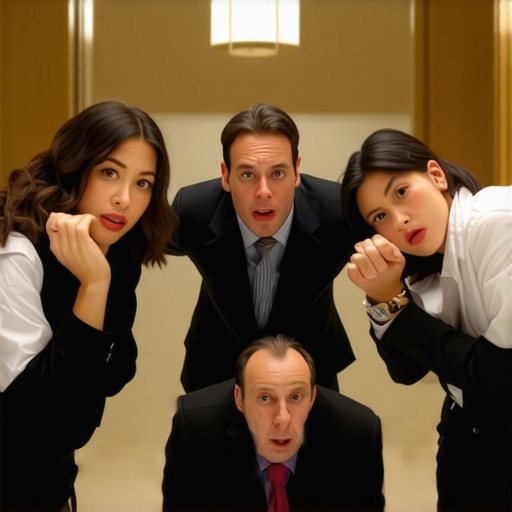
I remember standing in a rented conference room three years ago, watching my talented engineering team stare blankly at a pile of dry spaghetti and a single marshmallow. I had spent weeks planning this, thinking I was being the ‘cool boss’ who could spark creativity with a simple game. Instead, I was met with the kind of soul-crushing silence you only hear at a botched wedding toast. One of my lead developers finally looked at me and asked, ‘Can we just go back to our desks and actually talk about the project?’ That was my wake-up call. I realized then that I was falling for the same trap every other manager falls into: thinking that if we just force people into a room with a gimmick, they’ll magically become a cohesive unit. In reality, most of these events are just expensive ways to make people uncomfortable and resentful. Today, I am going to share exactly how to stop wasting your company’s budget on things that don’t work and how to start creating environments that actually foster connection.
Stop Forcing the Fun and Start Building Real Connections
The biggest mistake I made early on was thinking that volume equaled engagement. I’d rent out jumper rentals or set up a nacho machine rental and assume the party would just happen on its own. It didn’t. What I’ve learned since then is that real team building happens in the gaps—the moments where people are allowed to be themselves without a script. When you lean too hard into ‘forced fun,’ you end up with afternoon meeting fatigue that leaves everyone drained by 3 PM. We need to move toward experiential networking that feels natural rather than mandatory. Have you ever felt that sinking feeling in your gut when an HR email arrives with the subject line ‘Mandatory Team Bonding’? I’ve been there, and I promise there’s a better way to handle your next milestone birthday event or corporate gala.
Does anyone actually enjoy the office scavenger hunt?
According to research published by the Harvard Business Review, many employees find traditional team-building exercises to be a source of stress rather than a way to decompress, largely because these activities often highlight social hierarchies rather than dismantling them. It’s why so many corporate event management tactics fail to move the needle on actual morale. We spend thousands on luxury restroom trailers and high-end event photography services but forget that the most important element is how the guests actually interact. Instead of another round of ‘Two Truths and a Lie,’ we should be focusing on interactive guest experiences that allow for genuine conversation without the awkwardness of a grade-school classroom.
Stop Letting Your Chairs Kill the Vibe
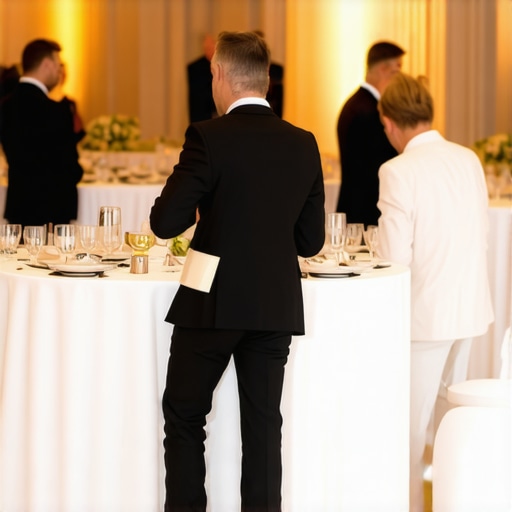
The first thing I do now when I walk into a venue is look at the seating. I remember a milestone birthday event where I’d spent hours picking out the perfect wedding chair rental and heavy linens, only to realize I’d created a fortress of solitude. No one was moving because the furniture was too heavy to shift and the tables were too wide for cross-talk. If you want people to connect, you have to design for the ‘lean-in.’ This means realizing why your party table rentals are ruining the magic show sightlines or obstructing the natural path of conversation. When your layout forces people into rigid rows, you’re not hosting a party; you’re hosting a lecture. Instead of massive setups, use items like minimalist pipe and drape rental to create intimate pockets within a large hall. In a recent tech mixer, I swapped the standard row-seating for ‘islands’ of low-profile stools and small surfaces. The energy shifted immediately. People weren’t trapped; they were part of a cluster that felt mobile and alive.
Human Interaction Trumps Giant Plastic Games
We need to talk about the ‘gimmick trap.’ You’ve seen them: the massive Jenga towers or neon-lit giant connect 4 sets that dominate the floor. While these are fine for keeping kids busy, for adults, they often become a visual barrier where three people play and everyone else watches from the sidelines. I’ve found that how magic prevents the cocktail table bottleneck at corporate galas is by providing a mobile focal point that adapts to the room. A performer moving through the crowd acts like a social lubricant, bridging the gap between strangers without the need for a bulky, static machine. It is the difference between watching a screen and participating in a shared moment. I once saw a luxury restroom trailer get more social traction than a high-end photo booth just because it was the only place people were forced to stand and talk for a moment—that’s a failure of design. You want the interaction to be intentional, not a side effect of waiting in line.
Control the Flow Before the Crowd Drifts
Dead air is the silent killer of corporate events. When the music stops or the keynote ends, guests naturally drift toward the exit or their phones. I’ve started using ‘micro-interventions’—short, high-impact moments that happen right at the transition points. This is where 3 ways magic outperforms 2026 dj services for event flow becomes incredibly obvious. A DJ keeps the volume up, but a skilled interactive artist keeps the attention up. Think of it like a nacho machine rental; if it’s just sitting in the corner, it’s food. If there is a chef actively engaging people while they wait, it’s an experience. Similarly, if you have a canopy rental area outdoors, you need a central reason for people to stay under it, otherwise, they’ll scatter the moment the temperature drops or the sun dips. You have to give them a reason to stay in the zone you’ve created.
Why more tech usually means less talking
Everyone tells you to stay ‘on trend’ by loading your venue with the latest gadgets, but in my experience, over-relying on digital tools is the fastest way to kill a room. I’ve seen planners spend a fortune on high-tech solutions only to realize why your interactive event apps won’t stop a bored crowd. The problem is that technology often acts as a shield; instead of talking to the person next to them, your guests are buried in their phones, completing a digital scavenger hunt. This is the ‘tech trap.’ While a photo booth rental provides a fun memento, it shouldn’t be the only thing keeping people occupied. When we prioritize the screen over the person, we lose the ‘magic’ of the physical space.
Does that expensive custom app actually build community?
Research into social dynamics, such as studies discussed in the Journal of Consumer Research, suggests that ‘over-facilitation’ often leads to social paralysis. When guests are given too many instructions or digital prompts, they stop acting naturally. This is the real reason your experiential networking ideas aren’t working—they feel like work, not play. Instead of trying to force engagement through an interface, focus on organic catalysts. I’ve found that 3 ways magic outperforms 2026 dj services for event flow is by creating ‘low-stakes’ curiosity. A performer doesn’t demand a login; they just invite a moment of wonder that naturally pulls people together. 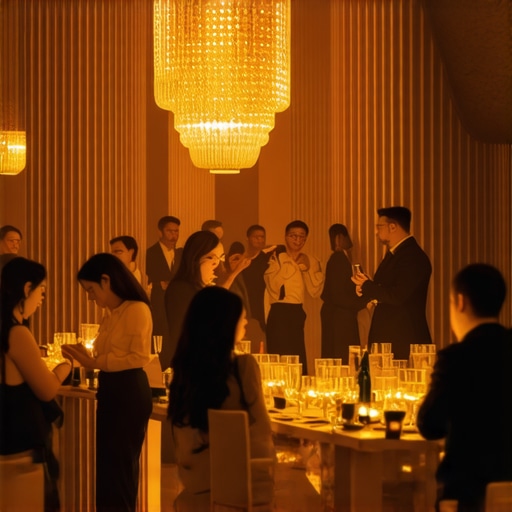
The sensory errors that kill the mood before it starts
One of the most sophisticated mistakes I see—even from seasoned pros—is ignoring the ‘sensory friction’ of the environment. You can have the most beautiful crochet decor details and high-end event photography services, but if the room is physically uncomfortable, no one will stay. I once worked a gala where the event lighting rental was so harsh it made guests feel like they were in a hospital waiting room. This is a classic ‘oops’ factor: how your event lighting rental could be making the magician invisible or, worse, making your guests want to leave. Similarly, you have to consider acoustics. I’ve written before about why your sound system rental fails to keep corporate crowds awake; if the bass is too low, the energy dips; if it’s too high, conversation becomes an exhausting chore.
How to spot the ‘engagement gap’ before your guests do
The nuance most people miss is the transition between activities. For example, if you’re hosting a milestone birthday event and you move from the main meal to a dance floor, there’s a 15-minute gap where people often decide to head home. This is where you see the ‘drift.’ Even something as fun as a jumper rental for the kids or a nacho machine rental won’t stop the adults from checking their watches if the flow breaks. You need to bridge those gaps with high-impact, low-friction entertainment. Have you ever fallen into this trap where you planned the ‘big moments’ but forgot the transitions? Let me know in the comments. I’ve seen why your party bus guests are bored of the playlist and it’s always because the host assumed the ‘stuff’ would do the work for them. Real expertise means knowing that your event insurance services might protect your budget, but only intentional design protects your vibe.
Build a System That Survives the Midnight Rush
I’ve learned the hard way that a great event isn’t just about the three hours of the ‘show’; it’s about the systems that keep your sanity intact when the jumper rentals are being deflated and the luxury restroom trailers need servicing at 2 AM. To maintain this level of execution, I’ve moved away from manual checklists and toward automated workflows. I personally use Aisle Planner specifically because of its granular seating chart tools—it allows me to visualize the ‘lean-in’ design I mentioned earlier without physically moving a single pipe and drape rental. When you can see the bottleneck before the first nacho machine rental is even plugged in, you win. This isn’t just about being organized; it’s about scalability. If you want to grow, you have to stop being the person who fixes the lighting and start being the person who designs the atmosphere.
How do I maintain high guest energy across a multi-day event?
Maintenance is where most planners fail. They blow their budget and energy on the opening night and leave the rest to luck. According to the Event Industry Council’s APEX standards, the most successful multi-day events utilize ‘rhythmic scheduling’—alternating high-intensity social moments with low-intensity recovery periods. I apply this by ensuring that my event photography services aren’t just snapping shots of empty chairs, but are cued into specific ‘micro-moments.’ If the energy dips, I don’t just turn up the music; I look at 3 ways magic outperforms 2026 dj services for event flow to inject a sense of wonder that requires zero setup. This keeps the milestone birthday event feeling fresh on day three, rather than a repetitive chore. Don’t fall for the trap of thinking more tech is the answer; remember why your interactive event apps won’t stop a bored crowd if the core human connection is missing.
The Future is Experiential and Human
As we look toward 2026, the trend is moving sharply away from static displays. People are tired of crochet decor details that just sit there; they want stories. This is why I predict a massive surge in ‘invisible entertainment’—performers and interactions that feel like part of the guest list rather than a stage show. To stay ahead, I’ve been refining the simple tactic for spying on local magician competitors for more leads to see who is actually innovating and who is just renting out the same tired equipment. The winners will be those who can blend event insurance services with high-risk creative swings. If you’re still relying on a photo booth rental as your primary engagement tool, you’re already behind. Start looking at why interactive magic keeps adult crowds engaged longer and apply that philosophy to your entire floor plan. My challenge to you: pick one transition point in your next event—just one—and replace the background music with a live, interactive element. Watch the phones go away and the faces light up. That’s the real ROI.
The expensive mistakes I made with milestone birthday events before I understood flow
One of the hardest lessons I have learned over the years is that event insurance services might cover a broken nacho machine rental, but they cannot fix a broken atmosphere. I used to think that piling on the amenities—everything from luxury restroom trailers to the most elaborate crochet decor details—would automatically result in a high-end feel. I was wrong. Here are the lightbulb moments that changed how I view event management: First, layout is more important than luxury. You can have the best pipe and drape rental in the world, but if it creates a physical barrier between your guests, it is hurting the vibe. Second, interaction needs a human guide. Relying on a photo booth rental alone is a passive strategy; true engagement requires a catalyst to bridge the gap between strangers. Finally, avoid the ‘Kid Trap.’ Just because jumper rentals keep the children busy does not mean the adults are having a meaningful experience. You need to design for the grown-ups who are often left standing awkwardly on the sidelines.
The toolkit I use to keep event design trends from feeling like generic templates
If you want to move beyond the basics, you need a more intentional set of resources. I personally swear by Aisle Planner for granular seating, but I also keep a close eye on the local market landscape. I have refined the simple tactic for spying on local magician competitors for more leads to understand which interactive elements are actually resonating with modern crowds. For documenting the night, do not just hire any event photography services; find a team that understands how to capture candid connections rather than just posed smiles. I also highly recommend the book The Art of Gathering by Priya Parker—it is the best resource for reframing why we actually bring people together for a milestone birthday event in the first place.
Make your next event the one they actually talk about on Monday
At the end of the day, your guests will not remember the specific brand of the luxury restroom trailers or the exact thread count of the linens. They will remember how they felt in the room. They will remember the moment of shared wonder that made them forget their phone for twenty minutes. When you stop chasing every new gimmick and start focusing on 3 ways magic outperforms 2026 dj services for event flow, you create a ripple effect of genuine connection. Do not be afraid to ditch the giant connect 4 in favor of something that actually sparks a real conversation. You have the rentals, the tools, and the vision—now go build an environment where the ‘magic’ happens naturally. Have you ever hosted an event where the ‘fun’ felt forced? What was the one thing that finally broke the ice for your guests? Let me know in the comments below!