

I remember standing under a cramped outdoor party tent, sweat dripping down my neck, trying to perform a simple card palm. I’d practiced it a thousand times in front of my bathroom mirror, but the second a guest asked me a question about the catering, my brain glitched. The card didn’t just flash; it practically flew out of my hand and landed right in a bowl of spinach dip. It was humiliating. That’s when I realized that magic isn’t about how fast your fingers move—it’s about how much weight your brain can carry at once. If you’ve ever felt like your hands were tied in knots the moment someone actually looked at you, you aren’t alone. Today, we’re going to look at why that mental focus is your most important tool and how to stop your brain from short-circuiting when the pressure is on.
Stop Blaming Your Clumsy Fingers
Most people think magic is just muscle memory. They think if they do a move enough times, it becomes automatic. That’s a lie I told myself for years. I used to think my hands were the problem, but the reality is that the art of sleight of hand is actually a high-stakes mental juggling act. You aren’t just moving a coin; you are managing the guest’s attention, controlling your breathing, and calculating the exact moment of “the beat.” If your focus slips for even a millisecond, the illusion shatters. When I finally started using sleight of hand techniques to build trust during gigs, I realized that my brain was burning more calories than my biceps ever could. You have to be three steps ahead of the person standing six inches away from you, and that requires a level of presence that most people never tap into.
Is the mental strain actually worth the payoff?
You might be wondering if you really need to be a Zen master just to pull a coin out of someone’s ear. It sounds exhausting, right? But here is the kicker: according to researchers at the University of Cambridge, high-level motor skills combined with social interaction create a “cognitive load” that rivals complex mathematical problem-solving. This is why many sleight of hand methods feel so draining. You’re essentially running a mental marathon while trying to look like you’re just having a casual chat. Have you ever been in the middle of a story or a performance and just… blanked because someone moved? I’ve been there more times than I care to admit. I’ll show you how to turn that mental fatigue into a superpower that makes your professional ice breaking feel truly impossible. Let’s dive into the mechanics of why your focus is the real secret sauce.
Control the Physical Layout to Save Your Sanity
Your brain is a processor with limited RAM. If you are constantly worrying about whether a guest will trip over a cable or if a dance floor rental error is going to cause a bottleneck, you won’t have enough power left to execute a perfect pass. I’ve found that the best performers are actually secret masters of the micro-event planning move that eliminates guest social anxiety. By helping the host position your performance area away from the loudest speakers or the heaviest foot traffic, you create a mental sanctuary. I remember a gig where I was booked for bridal shower services and the space was so cluttered with balloon decoration services that I couldn’t find a place to stand. I spent five minutes moving a single table, which seemed annoying at the time, but it gave me the three feet of clearance I needed to perform without fear of being bumped. This small adjustment allowed me to shift my focus from physical survival back to the technicality of the magic. 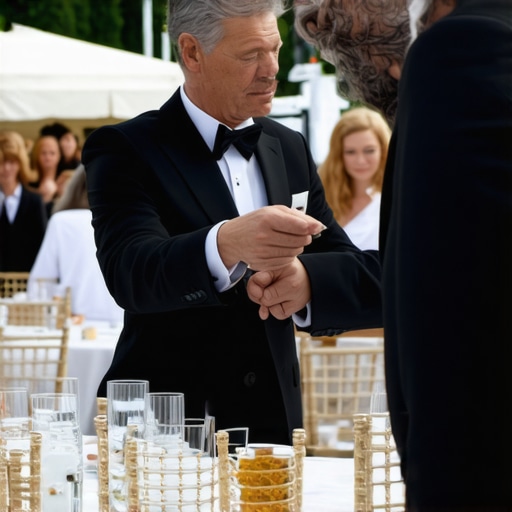
Script Your Way Through High-Stress Distractions
When your brain starts to redline, you need a backup. This is where a rock-solid script comes in. Not just the punchlines, but the transitional filler. If someone asks a distracting question about the event rentals strategy, your script should be so ingrained that you can answer them while your hands are doing the heavy lifting. I call this parallel processing. At a recent tech summit, I used trade show magic tactics to keep a crowd of thirty people engaged. My brain was screaming because the nearby water bounce house rental was making a deafening hum, but because my patter was muscle-memory, I didn’t drop a single card. The script acts as an autopilot, letting you use your conscious mind to solve the unexpected problems that always crop up during professional ice breaking sessions.
Anchor Your Act to the Guests Reality
You want the audience to feel like they have stepped into a different world. This isn’t just about the tricks; it is about the hyper-personalization services you provide. Use the physical objects around you. If there is a centerpiece of sustainable event decor, incorporate it into the narrative. If the chiavari chair rental is particularly elegant, mention it as a reason why the guest’s card choice was so sophisticated. When you anchor your performance to the reality of the room, you stop fighting the environment and start using it as an ally. This shift in perspective—from performing in spite of the room to performing because of the room—is the exact moment the mental strain begins to fade. I once worked an event where the snow cone machine rental line was so long it blocked my table. Instead of getting frustrated, I incorporated the wait into my story, performing a trick that lasted exactly as long as it took the guest at the front of the line to get their treat. It turned a logistical nightmare into a choreographed moment that felt intentional and truly magical.Most event planners think that booking a fancy party photo booth or a loud live band booking is a set-it-and-forget-it way to ensure fun. In my experience, that is exactly where things go south. I’ve seen corporate event management teams spend thousands on a state-of-the-art sound system rental, only to realize that the noise level made it impossible for guests to have a conversation, let alone enjoy a bit of close-up magic. You end up with a room full of people shouting at each other, which is the literal opposite of the immersive guest experiences we strive for. The mistake is focusing on the stuff rather than the flow. According to research published in the Journal of Environmental Psychology, environmental stressors like poorly managed noise and cramped layouts can trigger social withdrawal. This is the oops factor most people miss: if your anniversary celebration planning includes a massive centerpiece of sustainable event decor that blocks the line of sight across a table, you have just built a physical barrier to connection. I always tell my clients that your event rentals strategy needs a human element to succeed. If you do not account for how people actually move and breathe in the space, you are just paying for expensive clutter. 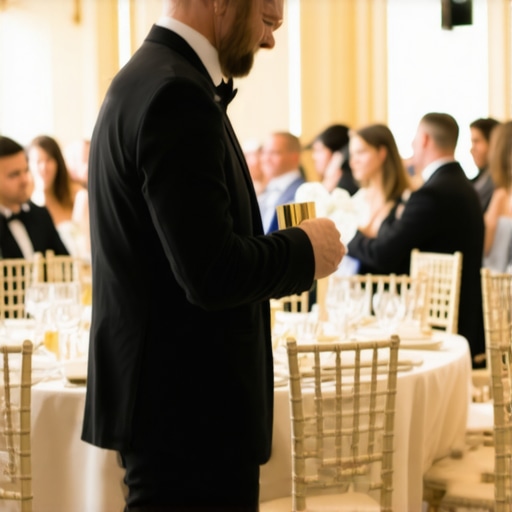
Can You Actually Measure the ROI of a Guest’s Comfort?
You absolutely can, but not by looking at the price tag of your custom invitation design. It is measured in how long people stay and how much they talk to each other. I have seen events where making event rentals feel like a custom experience came down to something as small as the seating. Using the chiavari chair rental hack for better audience flow is not about the chairs themselves; it is about the two extra inches of space that allow a performer to slip behind a guest without bumping them. When you avoid the messiest mistakes in event rentals for magic shows, you are not just being a good planner; you are acting as an architect of social ease. Have you ever fallen into the trap of over-decorating a space until it felt unperformable? Let me know in the comments.Maintenance isn’t just about polishing your silver dollars; it is about auditing your entire footprint before the next booking season hits. After a busy summer of anniversary celebration planning, your gear starts to look tired. I’ve seen custom invitation design elements that were gorgeous in June look like crumpled napkins by August because they weren’t stored in climate-controlled environments. If you want to scale, you need a system that survives the chaos. I personally swear by a modular performance rig that fits inside a single hard-shell case. This includes my wireless mics and a small, high-output event lighting rental kit that I can set up in under five minutes. According to technical guidelines from the Audio Engineering Society (AES), the signal-to-noise ratio in non-permanent structures like an outdoor party tent is notoriously difficult to manage due to fabric-induced sound dampening. This is why I always bring my own sound system rental rather than relying on whatever the house provides. Consistency is the only way to protect your reputation. 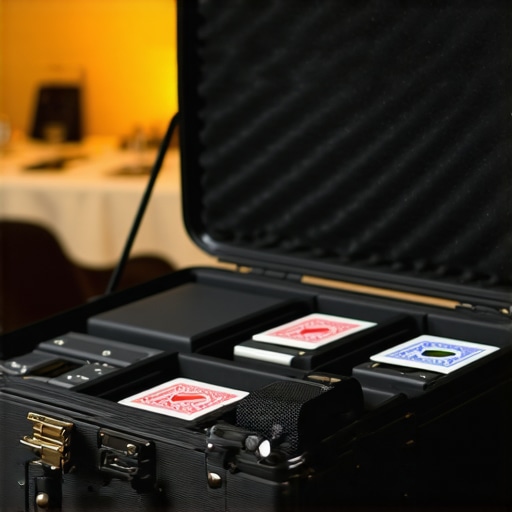
Why Your Tech Stack Matters More Than Your Props
If you want to stay relevant in a market saturated with generic entertainment, you have to embrace the digital side of the industry. I’ve found that learning how interactive event apps can be used to secretly assist magicians is an absolute game-changer for high-stakes corporate event management. It allows me to pull information in real-time or cue specific audio tracks without a technician, making my hyper-personalization services feel like actual telepathy. Looking ahead, I predict that passive entertainment is on its way out. Guests don’t just want to watch a performer from a distance; they want to be part of the narrative. This is why experiential networking is the future of b2b-lead-generation—it turns every guest into an active participant in the brand’s story. To keep your business growing, focus on how to turn a standard canopy rentals setup into a private magic theater. It creates an exclusive room-within-a-room feel that makes guests feel like they’ve been invited into a secret club.
How do I keep the magic alive when the novelty wears off?
The secret to longevity isn’t learning a hundred new tricks; it is about refining the delivery of your best five. I’ve been using sleight of hand techniques to fix stale networking events for over a decade, and the core moves haven’t changed, but my understanding of the audience has. You have to treat every gig like it’s your first, even if it’s your fiftieth time performing under an outdoor party tent that month. My advanced tip for you: next time you are booked at a high-end venue, don’t just send a thank-you note to the coordinator. Use the secret to snagging local backlinks from top-tier event venues by offering them high-resolution, professional photos of your performance that prominently feature their space. It is the easiest way to dominate local search rankings and build a long-term referral engine without spending a dime on traditional advertising.
The Hardest Reality Check I Faced Mid-Performance
Looking back at my first dozen corporate gigs, I realized a painful truth: your skill with a deck of cards is secondary to your ability to read a room. I used to think the trick was everything, but I soon learned that most team building activities are a massive waste of company resources often because they lack a genuine connection between the performer and the crowd.
If you are too busy worrying about your ‘invisible’ palm, you miss the moment a guest needs a laugh or a distraction. Every audience member wants to feel seen, not just fooled. Balancing that social awareness with your technical execution is what separates a hobbyist from a professional in the field of entertainment.
I also learned that physical constraints are your biggest enemy; using the chiavari chair rental hack for better audience flow is more about giving your brain the breathing room it needs than just moving furniture. The mental load drops significantly when you aren’t physically trapped by your environment.
#IMAGE_PLACEHOLDER_E#
The Minimalist Gear List That Saved My Professional Reputation
If you want to move from amateur to pro, you need to stop carrying a suitcase full of props and start carrying the right tools. First, I never walk into a venue without checking my digital presence; I follow the no-fluff google business profile checklist that actually books corporate gigs monthly to stay visible in local searches. Second, I’ve integrated tech into my act—using how interactive event apps can be used to secretly assist magicians has allowed me to perform mentalism that feels like real telepathy.
Third, I rely on the secret to snagging local backlinks from top-tier event venues to keep my lead engine running without extra ad spend. Finally, I always recommend reading Strong Magic by Darwin Ortiz; it is the only book that truly explains why audience psychology is more important than the move itself. These are the foundations of my sanity during peak season.
Go Out and Build an Experience They Will Never Forget
At the end of the day, magic isn’t something you do to people; it is something you experience with them. Whether you are in the middle of complex anniversary celebration planning or just doing a quick walk-around set at a bar, your focus should always be on the human connection. Don’t let the technicality of the sleight or the stress of the venue layout dim your passion for the art. You have the tools, the tech, and now the mental strategies to handle anything a chaotic event throws at you. Now, take that energy and turn your next gig into something truly legendary. Have you ever had a specific physical obstacle—like a weird table or a loud speaker—completely throw off your mental focus during a performance? Let me know in the comments below!