

I recall the last event I organized for a client—an innovative product launch that promised to wow attendees. Midway through, I watched as some guests started to drift off, checking their phones, distracted and disengaged. It hit me then: despite all the effort in perfecting the presentation and choosing the best venue, I overlooked a critical piece—how to keep guests actively involved without overwhelming them. That moment was a lightbulb. If guests become bored or overstimulated, even the most spectacular event can fall flat, costing time, money, and reputation.
The Secret Sauce: Introducing Live Interaction to Keep Guests Engaged
Today, we’ll explore how incorporating a well-crafted live interaction plan can prevent guest burnout and ensure your product launch leaves a lasting impact. It’s not just about the spectacle; it’s about your guests feeling part of the experience, not just passive observers. From my experience, event design that encourages participation—like immersive demos or interactive Q&A sessions—can significantly boost retention and enthusiasm. If you want your next event to resonate and actually drive results, understanding how to implement these tactics is essential.
Is the Hype About Live Engagement Actually Justified?
Early on, I made the mistake of thinking that a big speaker and flashy visuals were enough. Turns out, focusing solely on aesthetics without engaging the audience was a rookie error. Research confirms that in-person events with interactive elements see higher attendee satisfaction—one study notes that engagement increases comprehension by up to 70%. So, don’t fall into the trap of assuming a good presentation alone will suffice. Instead, consider these strategies to boost your event’s effectiveness and make sure your guests stick around to the very end.
Set Clear Objectives for Engagement
Begin your planning by defining specific engagement goals, such as encouraging participant interaction or facilitating networking. I once organized a corporate summit where I deliberately designed activities—like live polls and quick Q&A sessions—to align with these objectives. It required meticulous timing and a clear understanding of the audience’s interests. Without concrete goals, your efforts can feel disjointed and less impactful, so clarify what you want your guests to do or feel at every stage.
Design Interactive Experiences that Matter
Choose activities that resonate with your audience, whether it’s hands-on demos, immersive VR experiences, or themed escape rooms—akin to transforming a passive keynote into an engaging journey. For a product launch, I once incorporated a mini VR showcase that allowed guests to virtually interact with the new item. This elevated their experience beyond traditional displays and boosted enthusiasm. Remember, simplicity and relevance trump complexity; avoid overloading your event with gimmicks that distract rather than engage.
Leverage Technology for Seamless Interaction
Utilize event apps, live social media feeds, or instant feedback tools to keep communication flowing. I recall deploying a custom event app that enabled real-time questions during a conference, which encouraged shy attendees to participate. Integrate these tools thoughtfully: think of them as a bridge connecting your content to your audience, making participation intuitive and rewarding. Be wary of tech glitches—test rigorously to avoid disrupting the flow or losing guest trust.
Create Dynamic Environments with Visuals and Lighting
Enhance the ambiance with engaging event lighting and stage setups that complement your themes. For a theatrical product reveal, I coordinated with an event lighting rental service to sync light cues with the presentation, creating a captivating atmosphere. An eye-catching environment draws attention and sustains interest, but avoid overdoing it—balance is key. Think of your space as a canvas where lighting and decor set the mood and direct focus.
Facilitate Meaningful Interactions
Plan specific networking moments, such as structured breakout sessions or interactive mixers. During an industry trade show, I positioned interactive stations around the venue—like custom balloon decorations and themed photo booths—that encouraged guests to mingle naturally. These moments foster genuine conversations and create memorable experiences. Consider incorporating innovative ideas like experiential networking or themed activities, which can set your event apart and build trust quickly. For inspiration, see how immersive guest experiences are transforming trade shows [here](https://eventmagicprox.com/7-immersive-guest-experiences-tactics-for-2026-trade-shows).
Train Your Team for Engagement Success
Ensure staff and facilitators are well-versed in the activities and attentive to guest cues. I remember coaching event staff to subtly guide guests towards interactive stations, ensuring no one felt lost or ignored. Well-trained personnel are your frontline in creating a welcoming atmosphere—think of them as the magic connectors who turn passive attendees into active participants. Invest time in pre-event briefings and role-playing drills to prepare them for spontaneous interactions.
Monitor and Adapt Throughout
Use real-time feedback to tweak your approach. During a recent launch, I kept an eye on social media mentions and on-site surveys, adjusting activities that weren’t resonating. This dynamic responsiveness can salvage moments from falling flat, or amplify what’s working. Think of the event as a living organism—you need to nurture it actively and be ready to pivot when necessary. This iterative process often determines whether your event becomes memorable or forgettable.
Implementing these actionable steps can elevate your event from ordinary to extraordinary, ensuring guests are not just present but genuinely involved. Remember, engagement is an ongoing dance—stay responsive, innovative, and always aligned with your audience’s wants.
Even seasoned event professionals often rely on conventional wisdom that seems foolproof, yet beneath the surface lie nuanced pitfalls that can derail a meticulously planned gathering. For example, many believe that renting a bounce house for adults is a straightforward way to boost engagement, but in reality, most overlook the importance of aligning such entertainment with the event’s sophistication level. Oversights like this can turn a lively activity into an awkward distraction, undermining the event’s overall success.
Are We Overestimating Technology’s Role in Engagement?
The hype around immersive VR experiences and AI-driven personalization often leads organizers to believe these tools will automatically elevate attendee involvement. However, studies show that without thoughtful integration into the event’s flow, these innovations can become superficial or even alienating. The key lies in understanding the subtle art of blending technology seamlessly into human interaction, rather than relying on it as a silver bullet. As highlighted by industry experts, misusing such tools can lead to wasted budgets and disengaged audiences, so always question whether your tech truly enhances meaningful connections. Moreover, assumptions about event lighting and stage setups often ignore their impact on guest perception. Relying solely on flashy visuals without considering the event’s theme or guest experience can result in a disconnect that diminishes brand messaging and attendee satisfaction. Effective lighting should serve as an emotional catalyst, guiding attention and reinforcing the event narrative. Don’t forget that even seemingly minor choices, like custom invitation design, set the tone for attendee expectations. Overlooking this detail can cause mismatched perceptions and reduce initial excitement. Remember, every element—be it tent rentals, immersive guest experiences, or conference management strategies—contains hidden complexities that demand careful scrutiny beyond the surface-level assumptions.
By diving into these nuanced aspects, event planners can avoid costly mistakes and craft experiences that truly resonate. Always question the status quo and dig deeper into what often gets overlooked under the guise of simplicity. Have you ever fallen into this trap? Let me know in the comments.
Maintaining smooth operations during complex events like immersive VR experiences or conference management requires a combination of robust tools and meticulous processes. Personally, I rely heavily on industry-leading event management software like Cvent and Eventbrite because of their comprehensive features that streamline registration, scheduling, and attendee engagement. These platforms offer real-time analytics, which I use to monitor guest flow and responsiveness, allowing me to make data-driven adjustments on the fly. 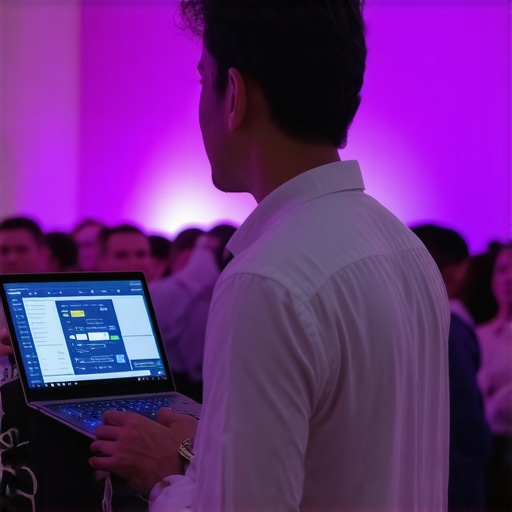
For audiovisual and lighting setups, I recommend investing in Dataton Watchout. Its multi-display capabilities and synchronization features are invaluable when coordinating immersive guest experiences, ensuring visuals and stage lighting are perfectly timed, creating a captivating atmosphere. Its reliability over years of use has proven critical, especially when scaling event size or complexity.
My secret weapon in equipment management is maintaining a detailed inventory audit, utilizing RFID tracking tags for permanent assets like tents, stage setups, and event lighting rentals. This minimizes equipment loss and ensures maintenance schedules are adhered to, extending the lifespan of your gear. Regular preventative maintenance, based on manufacturer recommendations, reduces unexpected breakdowns and guarantees peak performance throughout the event.
Looking ahead, I believe the integration of AI-driven tools such as Granicus or EventMobi will revolutionize long-term event planning by providing predictive analytics for resource allocation and guest engagement trends. These advancements will help event planners anticipate issues before they arise, saving costs and enhancing attendee satisfaction.
How do I maintain tools and processes over time?
Consistent training and evaluation are essential. I schedule quarterly reviews for my team to stay updated with software updates and equipment servicing requirements. Establishing supplier relationships for quick access to replacement parts or technical support is crucial, especially for high-tech installations like virtual reality segments or detailed stage setups. Additionally, documenting procedures and creating checklists ensures nothing gets overlooked during setup or teardown. For example, implementing a dedicated maintenance log for immersive technologies can prevent equipment failures during critical moments.
To optimize long-term results, I also recommend leveraging community forums and industry conferences to share insights and best practices. These platforms can reveal innovative tools or shortcuts you might not discover alone, like advanced calibration techniques for immersive displays or scheduling hacks for managing multiple tent rentals efficiently. As the event industry evolves, staying updated on emerging tools and methodologies is vital to keep your offerings at the cutting edge. Don’t hesitate to experiment with new automation scripts or custom integrations that fit your unique event profile. For instance, exploring how AI personalization tools can be fine-tuned for your corporate clients may unlock even higher engagement levels during immersive experiences.
Ready to give one advanced tool a try? Implement a RFID asset tracking system this quarter, and see how it simplifies equipment maintenance and reduces loss. Seamless event execution starts with reliable tools—make sure yours are up to the task!
,
Lessons Learned in the Fire of Real-World Events
- One of my toughest realizations was that high-tech gadgets and dazzling visuals alone can’t compensate for passive guest participation. I once relied heavily on immersive VR to wow attendees, but without interactive prompts, engagement waned quickly, emphasizing the importance of designing experiences that invite active involvement rather than passive observation.
- Another lesson was the delicate balance of technology and authenticity. Overusing flashy lighting or themed decor without aligning with the event’s core message risked distracting from the main purpose. Authentic engagement happens when every visual element supports a narrative that resonates genuinely with the audience, not just when it looks impressive.
- I’ve also learned that staffing plays a pivotal role—well-trained facilitators who understand the nuances of guest interaction can transform a good event into an unforgettable experience. Spending time on staff preparation ensures spontaneous moments of magic can happen naturally, rather than feeling forced or awkward.
- Advanced tools like RFID tracking and real-time analytics are game-changers, but without a clear plan for response, they can become data overload. My pennies: focus on the insights that matter and act swiftly—whether tweaking a stage lighting sequence or adjusting breakout session formats for better flow.
The Arsenal of Secrets for Event Success
My trusted toolkit includes event engagement strategies that prioritize guest interaction, and experiential design resources for crafting memorable atmospheres. For managing logistics and guest flow, I swear by Cvent and Eventbrite; their analytics help me anticipate bottlenecks before they become issues. When it comes to technology, AI-driven platforms like EventMobi have become indispensable for customizing attendee journeys and boosting engagement. Lastly, for immersive visuals, I recommend stage setup innovations that sync lighting and decor seamlessly, creating an emotional environment that draws guests in.
Fuel Your Passion for Crafting Unforgettable Experiences
Every event is an opportunity to surprise and delight. With a spirit of experimentation and a commitment to authentic engagement, you can elevate your event design from simply good to truly extraordinary. Remember, the real magic happens when you focus on creating inclusive, participatory environments that resonate deeply. Challenge yourself today to implement one new interaction tactic or adopt a novel tech tool—your guests will thank you, and your reputation will soar. Are you ready to reimagine your next event and turn ordinary moments into lifelong memories? Share your thoughts or your own lessons learned below—I’d love to hear your story.