
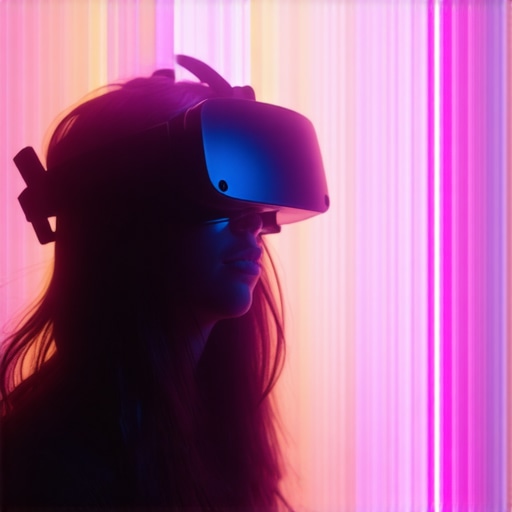
I remember standing inside a packed convention center hall, wearing a heavy, expensive headset that isolated me from the real world. On paper, it was a masterpiece: a high-budget virtual reality simulation designed to showcase a brand’s futuristic vision. But after three minutes of spinning around in a cold, virtual void, I felt incredibly lonely and detached. I took the headset off, handed it back to a silent tech assistant who didn’t even make eye contact, and walked away. There was no connection, no follow-up, and honestly, no point. That was the exact moment I realized why so many high-tech brand activations fall completely flat.
We pour thousands of dollars into cutting-edge gadgets, hoping the technology will do the heavy lifting for us. But the hard truth is that technology without humanity is just an expensive barrier. Today, we are going to look at why these high-tech setups fail to convert and how we can bring the human element back to the center of our events.
If you have ever felt like your expensive interactive tech is getting ignored, you are not alone. There is a massive problem with VR immersive experiences at high-traffic trade shows when nobody is there to guide the attendee through the magic of the moment. We need to bridge that digital chasm with real, authentic human energy. This is a lesson I learned the hard way years ago when I assumed that flashy production value could replace real human-to-human engagement.
Is all this expensive technology actually worth the hype?
It is easy to get swept up in the excitement of new tools, but studies consistently show that technology alone does not drive brand loyalty. According to research published by the Harvard Business Publishing group, emotional connection is the single greatest driver of customer lifetime value, far outperforming digital-only interactions. When we strip away the personal touch, we strip away the memory.
I made a massive mistake early in my career by focusing entirely on physical setups. I designed elaborate displays, sourced the best venue decoration services, and obsessed over the aesthetics of the room while completely ignoring how my team would actually talk to the people walking through the door. The result? A stunning, silent room where guests felt like they were in a museum rather than an interactive experience.
Whether you are setting up a complex digital demo or coordinating local party rental services for a community gathering, the rules of human psychology do not change. People want to feel seen, heard, and guided.
Have you ever invested in a flashy piece of event technology only to watch attendees walk right past it? It is a frustrating feeling, but it is entirely fixable once we understand how to blend human performance with our physical and digital tools.
The Three-Step Blueprint to Humanizing Your Event Footprint
Designing an interactive space is not about stuffing every square foot with displays; it is about building a psychological pathway for your guests. Think of your event layout like a physical funnel. If you dump a massive tech installation right at the entrance without an introductory hook, you create a digital bottleneck. To fix this, you must construct a deliberate journey that naturally transitions guests from passive observers to active participants.
Design with Sightlines in Mind
When I designed my first tech-heavy exhibit, I positioned my interactive stations behind bulky display panels. Guests literally had to search to find them. This layout error is incredibly common, and it mirrors the sightline fix for event furniture rental layouts at corporate galas where poor positioning makes your key focal points completely invisible. Your highest-value interactive assets must be visible from the primary walking paths. If you are coordinating a trade show booth setup or setting up a high-stakes corporate stage, ensure your equipment does not block the human facilitator who is supposed to be welcoming people. Avoid high barriers and instead use low-profile surfaces to keep the environment open and inviting.
Match Your Visual Aesthetics to Your Performance Goals
The materials you choose to dress your space will dictate how comfortable people feel when interacting with your brand. I once attended an outdoor corporate retreat where the organizers used mismatched, cheap-looking plastic tables for their high-end interactive tech demo. The tech felt completely out of place. Whether you are selecting custom linen rentals for a gala or setting up an elegant corporate stage, your physical styling must elevate the digital experience. In my own business, I learned to coordinate with top-tier party supply rentals to secure heavy, premium surfaces. The texture of your tables actually affects performance quality and human comfort, which is a lesson heavily integrated into party table rentals and how surface texture affects performance. 
Train Your Staff to Act as Digital Concierges
The biggest point of failure in any technical setup is the passive staff member sitting behind a counter. Technology cannot pitch itself. Your team must act as active guides who bridge the gap between physical reality and digital illusions. I remember a messy product launch where we had an incredibly cool augmented reality setup, but nobody was using it. I stepped in, grabbed a nearby tablet, and started physically demonstrating how the screen interacted with the physical products on the table. Instantly, a crowd gathered. By physically engaging with the tools ourselves, we break down the psychological barrier for the guest. If you want to build instant rapport, you have to master the secret move for building instant executive trust, which relies on direct, confident, human-to-human interaction.
The Great Engagement Illusion
Most event planners fell into the trap of thinking that renting expensive gadgets guarantees high guest engagement. Everyone says that a flashy virtual reality setup or an interactive touchscreen is a surefire way to draw a crowd, but in my experience, over-relying on high-tech installations actually alienates your attendees. Without a warm human guide, an expensive digital setup becomes a cold, unapproachable monument that guests actively avoid because they fear looking foolish in public. To create truly immersive guest experiences, you must treat your technology as a secondary tool, not the main event.
Why are your expensive interactive displays being ignored by high-value guests?
The biggest trap in modern event design is assuming that visual noise translates to meaningful connection. When coordinating a complex trade show booth setup or planning an upscale corporate gala, organizers often spend their entire budget on physical structures while ignoring how people move through the space. A study by the Event Marketing Institute reveals that over 70% of trade show attendees remember a brand because of their interaction with a staff member rather than the digital display itself. If you focus solely on aesthetic elements like premium linen rentals or elaborate floral arrangements, you create a beautiful museum instead of a dynamic gathering. I made this exact mistake early in my career when I coordinated an outdoor corporate retreat under a massive outdoor party tent. I spent weeks obsessing over the perfect layout, ensuring we had top-tier chair and table rentals and impeccable styling from local venue decoration services. Yet, the high-tech demo tables remained empty because I forgot to train my staff to actively bridge the gap between our physical assets and our guests.
If you want your physical assets to work for you, you need to align your layout with human behavior. This means avoiding layouts where your interactive areas are hidden behind bulky display panels. In fact, understanding how physical setups impact interaction is crucial; we often see this when analyzing how your event furniture rental choice impacts audience participation. Your physical environment should invite people in, not shut them out. From casual birthday party rentals to high-stakes B2B trade shows, the golden rule remains: design the space around the human interaction first, then select your physical and digital assets to support that flow. Have you ever fallen into this trap of prioritizing physical design over human connection? Let me know in the comments.
When the initial excitement of a new interactive rollout wears off, the real work begins. I have seen too many event planners invest heavily in high-concept tools for a singular corporate presentation or a high-end bridal shower services showcase, only to watch that technology gather dust in a warehouse or fail completely at the next quarterly trade show. If you do not build a concrete operational routine to support your physical and digital assets, your investment will degrade faster than cheap party supplies.
How do I maintain interactive event systems over time?
To keep physical and interactive setups running flawlessly, you need a strict, repeatable maintenance checklist. In my personal kit, I never go to a gig without a dedicated diagnostic pack. This contains an ultra-reliable, high-speed portable router like the GL.iNet GL-AXT1800, which allows me to create an isolated local network away from congested venue Wi-Fi. I also keep a stock of microfiber cloths and specialized anti-static cleaning spray. When you are managing premium table surfaces, dust and grease are your worst enemies; a slick surface is absolutely vital, especially if you want to understand party table rentals and how surface texture affects your card flourishes.
For larger operations involving outdoor party tent setups or extensive birthday party rentals, the physical environmental elements introduce huge risks. Moisture, wind, and temperature fluctuations will ruin sensitive electronics and warp lightweight wooden structural components. I personally rely on heavy-duty, waterproof Pelican cases with custom-cut foam inserts for every single piece of tech. Before packing anything away after a hectic live show, my team conducts a mandatory five-minute hardware audit to check for frayed cables and loose connectors. This prevents the nightmare scenario of arriving at your next major trade show booth setup only to find your key display screen broken.
As the industry evolves, the future of live engagement is moving toward hybrid spatial computing environments. Rather than bulky headsets, we will see highly integrated augmented reality overlays that utilize our physical surroundings. To stay ahead of this curve, you need to learn how to scale your trade show interaction without increasing your budget by focusing on small, highly tactical human-centric design tweaks. If you want to make an immediate impact at your next gathering, I urge you to try this one specific trick: step out from behind the registration or display table, grab a single interactive prop or tablet, and physically walk it into the crowd to initiate the connection yourself.
The Hardest Lesson I Learned About Merging Human Interaction and Modern Event Design
Over a decade of managing high-stakes environments has taught me that the prettiest layouts can still result in absolute silence. When I first coordinated a massive product showcase under a pristine outdoor party tent, I assumed the high-end chair and table rentals and stunning visual aesthetic from our premium venue decoration services would do all the work. I was dead wrong. Here are the core realizations that changed my entire approach to designing interactive footprints:
- Technology is a magnifying glass, not a foundation: If your team’s energy is flat, throwing an expensive touch screen into your trade show booth setup will only highlight that cold atmosphere.
- Comfort dictates engagement: Guests will not stop to participate if they feel physically awkward. The height, placement, and even the texture of your physical assets directly dictate their willingness to slow down. Choosing the wrong furniture can make your host virtually invisible; to avoid this, you must understand the event furniture rental error that makes your magician invisible.
- Passive stands lose every single time: You cannot expect high-value corporate clients to walk up and click ‘play’ on an unstaffed monitor. They need a human concierge who can confidently break the ice.
My Essential Checklist for Building High-Impact Spaces
When preparing for your next major campaign—whether it is an intimate gathering using specialized bridal shower services or a chaotic public exhibition—having the right technical and physical toolkit is non-negotiable. These are the tools and references I personally rely on to ensure smooth operations:
First, I always look for ways to optimize my physical layouts to match natural human sightlines. If you are struggling to get guests to stop, study the principles of how to turn a standard cocktail table into a lead magnet. Second, never underestimate the environmental factors of outdoor settings. If you are setting up under a tent, always secure reliable local party rental services that provide weighted bases and heavy-duty structural supports to keep your interactive displays safe from wind and vibration.
Finally, keep a physical diagnostic kit on hand. Apart from high-speed routers, always carry heavy-duty gaffer tape and professional cable ramps. Tripping hazards will immediately ruin the polished look of your custom linen rentals and create an unsafe environment for your interactive staff.
How You Can Turn Visual Noise Into Authentic Human Energy
The future of live engagement does not belong to the brand with the biggest digital screen; it belongs to the brand that knows how to make people feel truly welcome. It is time to stop hiding behind complex technology and start using our physical setups to foster genuine face-to-face connections. By pairing high-quality physical assets with a trained, highly engaged team, you can build unforgettable immersive guest experiences that people will talk about long after the event ends. Start small at your next local gathering, even if it is just coordinating simple birthday party rentals, and focus on physical flow first.
Have you ever struggled to get attendees to stop and actually engage with your trade show booth setup? Let me know your experiences in the comments below!