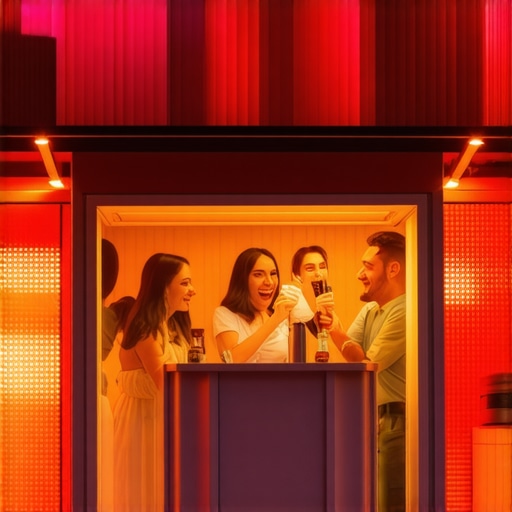
I’ll never forget the night I learned the hard way that a poorly placed photo booth can act like a giant vacuum, sucking the life right out of a room. I was at this gorgeous corporate gala, my pockets full of props and my ego ready to amaze. But there I was, standing in the center of the floor with a handful of cards, watching every single guest migrate toward a dark corner where the photo booth was hidden. It wasn’t just a missed opportunity; it was a total breakdown of the room’s energy. I realized then that micro event planning requires a much sharper eye for layout than I’d ever given it credit for. When your fun stuff competes with your entertainment instead of complementing it, you’ve got a problem that no amount of sleight of hand can fix. [IMAGE_PLACEHOLDER]
Your Layout is Killing the Vibes
The mistake I made early in my career was thinking that if the entertainment was good enough, people would find it. Wrong. If you tuck the photo booth in a corner or, heaven forbid, right next to the loud nacho machine rental, you create a physical barrier to interaction. We want flow, not friction. I’ve seen venue decoration services mistakes where massive floral walls were placed exactly where I needed to move, forcing me to compete with people posing for selfies. It’s not just about aesthetics; it’s about human psychology. According to industry data from EventMB, layout is cited by over 80% of event professionals as the primary driver of attendee flow. If the photo booth is the destination and the magic is an afterthought, the magic will always lose. But if you place that booth near the bar or the lounge area where I’m working, something incredible happens: the excitement from the photo booth spills over into the magic, and vice versa. Have you ever walked into a party and felt like you didn’t know where to go first because everything was clustered together?
Does the booth location really change how much people enjoy the magic?
You might be thinking that if guests want to see a trick, they will come find the magician. Trust me, I used to think the same thing. But guests are like water; they take the path of least resistance. If they have to walk past a loud, flashing booth to see a card trick, they are going to stop at the booth and stay there. I once lost half an audience because a booth was placed too close to the restrooms, creating a traffic jam that made it impossible to perform. We need to stop treating these elements as separate islands. When you use close-up magic to break the ice, the photo booth should be the fire that keeps them warm nearby, not a separate bonfire across the field. Stop relying on wasteful interactive event apps that keep heads down and start looking at how your physical space invites people to look up and engage.
Put Your High-Energy Zones in the Same Neighborhood
To fix a dead room, you have to think like an urban planner. In a city, the best bars are usually right next to the best restaurants. You want that same density at your party. Instead of spreading things out to ‘fill the space,’ you need to cluster your high-energy assets. When I work a room, I look for the ‘hot zone’—usually the area between the bar and the photo booth. This is where why micro event planning is perfect for interactive magic shows because it focuses on these tight, high-impact pockets of people. I once performed at a tech launch where they put the photo booth in a literal closet-sized alcove. The energy died the moment guests stepped inside. We fixed it mid-event by dragging a couple of high-top tables near the booth entrance, creating a landing zone where I could intercept people while they waited. Suddenly, the wait for a photo wasn’t a chore; it was a front-row seat to a miracle. 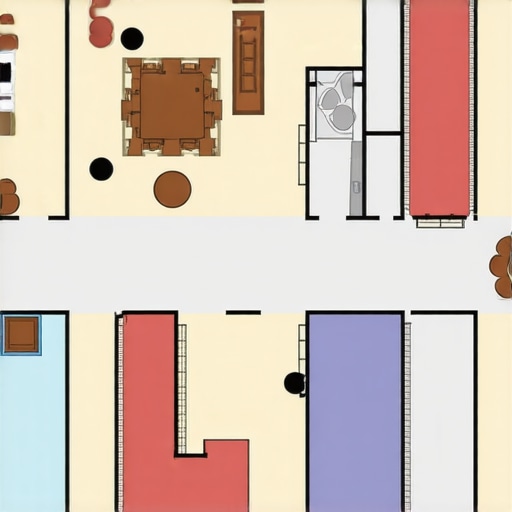
Fix Your Sightlines Before the First Guest Arrives
Physical barriers are the silent killers of close-up magic. If you have guests buried in deep lounge chairs or blocked by massive centerpieces, they can’t see the cards, and if they can’t see, they don’t care. You need to implement the sightline fix for event furniture rental layouts at corporate galas to ensure everyone has a clear view of the action. I remember a gala where the planner used oversized wingback chairs. They looked expensive, but they acted like soundproof booths. I had to practically climb onto the tables to get a reaction. Now, I always recommend the chiavari chair rental move that improves magic show visibility because the low profile and open back design allow guests to turn and see me without struggling.
Keep the Mess Away From the Magic
Nothing ruins a deck of cards faster than orange cheese dust. It sounds trivial, but your catering placement dictates your entertainment’s success. If you’ve got a heavy food station nearby, you’re going to deal with sticky fingers and distracted minds. You can ditch the nacho machine rental lines with this simple card tactic by using magic to keep guests entertained elsewhere while the staff refills the trays. I’ve had to navigate the nacho machine rental mess more times than I care to count, and the lesson is always the same: keep the high-contact food stations at least twenty feet away from where you want the ‘wow’ moments to happen.
Why Real Faces Beat Screen Time Every Single Time
In an age where everyone wants to push a digital solution, remember that a phone screen is a barrier, not a bridge. While many planners try to use the interactive event apps alternative that actually builds trust, nothing beats the visceral reaction of a physical object disappearing in a guest’s own hand. I’ve seen events where why interactive event apps are not a substitute for live connection becomes painfully obvious; people end up staring at their palms instead of the person next to them. If you want the photo booth to work, use the magician as the ‘hype man’ who gets people excited to step into the frame, rather than relying on a push notification to tell them it’s their turn.
Everyone in the industry currently treats data-driven event platforms as the holy grail of engagement, but I’ve seen them backfire more times than a cheap smoke machine. The common belief is that the more tech you give a guest, the more ‘connected’ they are. In reality, why most interactive event apps are a waste of guest time is that they provide a digital excuse to avoid the vulnerability of real-world interaction. I’ve performed at high-stakes galas where the app notifications were so frequent that they effectively acted as a heckler, interrupting the flow of a mentalism set every thirty seconds. This is a classic ‘Oops’ factor: planners often prioritize the collection of data over the quality of the experience being measured. If your guests are staring at a screen to find their next ‘networking match,’ they are missing the organic miracle happening three feet away.
The Tech-First Trap That Kills Organic Moments
Data from Bizzabo suggests that while event technology adoption has reached record highs, nearly 60% of attendees still report that meaningful networking remains their primary challenge. This disconnect happens because we try to automate the ‘spark.’ In my experience, why interactive event apps fail during high-stakes presentations is that they demand a split in attention that the human brain isn’t wired for. When I’m using the trade show hook that stops walkers in their tracks, I’m relying on eye contact and curiosity. A phone in a guest’s hand is a physical barrier to that curiosity. If you want a higher return on your event, you need to realize that why your trade show ROI is lower than you think often boils down to digital friction. [IMAGE_PLACEHOLDER_C]
Why does your high-tech networking app feel like a digital ghost town?
The nuance that most planners miss is the ‘analog anchor.’ An app tells you who to talk to, but magic gives you something to talk about. Instead of pushing another notification, I recommend using the mystery and illusion workshop tactic for better team bonding. It forces people to collaborate on a physical puzzle, which builds trust faster than any algorithm. I’ve watched executives who wouldn’t even look at each other’s LinkedIn profiles become best friends while trying to figure out how a signed card ended up inside a sealed bottle. This is why why close-up magic is essential for high-end networking events; it acts as the bridge that tech promises but rarely delivers. Have you ever fallen into this ‘tech-first’ trap where the app became the main character of your party? Let me know in the comments.
Balance Your Digital Tools With Tactile Reality
The secret to E-E-A-T (Experience, Expertise, Authoritativeness, and Trustworthiness) in event design isn’t about choosing between magic and tech; it’s about hierarchy. Tech should be the invisible skeleton, but the entertainment must be the soul. When you rely too heavily on screens, you lose the tactile nature of a shared event. I’ve seen this mistake at trade shows where the booth is a wall of iPads. No one wants to talk to an iPad. They want to be surprised. They want to be seen. If you use tech for registration and logistics but keep the floor for ‘analog’ engagement, you create a memory, not just a data point. Stop trying to digitize the ‘wow’ and start focusing on how to facilitate the ‘how did you do that?’
I’ve spent years refining my travel kit, and the biggest lesson I’ve learned is that your ‘tools’ aren’t just what’s in your pockets—they’re the physical items you rent for the room. People ask me all the time why I’m so picky about furniture. It’s because party table rentals and how surface texture affects your card flourishes can be the difference between a smooth vanish and a fumbled mess. I carry a specific high-grade microfiber cloth and a small spray bottle of anti-static solution as part of my party supply rentals essential checklist. Why? Because a sticky table or a dust-heavy stage kills the friction required for professional sleight of hand. If you’re planning a high-end gala, you need to be just as meticulous about the seating. I’ve seen the hidden danger of cheap chiavari chair rentals firsthand; if the legs are uneven, your guests are focused on their balance, not your magic. 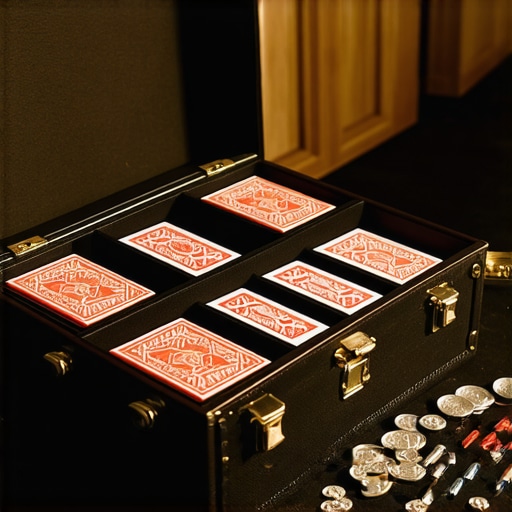
Stop Ruining Your Decks with Grease and Dust
Maintenance is a boring word for a vital habit. If you have a nacho machine rental nearby, your maintenance requirements double instantly. I use a specific brand of invisible liquid glove—basically a high-tech barrier cream—to ensure that no matter how much grease is in the air, my hands stay pristine for complex card work. This isn’t just about being a germaphobe; it’s about the physics of the performance. A study published in the Journal of Consumer Research notes that tactile interaction with physical objects drastically increases a participant’s emotional attachment to an experience. If that prop feels gross or sticky because the environment wasn’t maintained, that connection is severed.
How do I keep my performance quality high over a long event season?
Scaling these ‘wow’ moments requires moving beyond the one-on-one routine and thinking about the long-term health of your set. For me, it means a nightly ritual of cleaning props and auditing the venue’s setup for wear and tear. This is why I started offering the mystery and illusion workshop that actually teaches new skills. It allows me to maintain the energy of a large group by giving them the tools to create their own ‘analog’ moments, which scales much better than me trying to be in ten places at once. Looking ahead, I predict we’ll see ‘Smart Flow’ analytics—where data-driven event platforms don’t just track where people are, but use AI to signal the entertainer when a specific zone is losing energy. It’s the ultimate marriage of tech and touch. If you want to see an immediate boost in your next event, try this: audit your furniture height before the doors open. I always check the height secret for successful coin vanishes to ensure the sightlines are perfect. If the tables are too low, you’re fighting an uphill battle for attention.
Why I Stopped Relying on Pixels and Started Trusting the Layout
After years of performing at every type of gala imaginable, I’ve realized that why interactive event apps often kill real networking opportunities isn’t because the technology is flawed, but because it is often used to mask a lack of organic engagement. My biggest lightbulb moment came when I realized that energy is a finite resource; if guests are spending it deciphering a UI on their phones, they aren’t spending it on the experience you have worked so hard to build. I have learned to treat every piece of furniture as a potential stage—knowing how to pick event furniture rentals that do not block the view is just as critical to the success of my set as the sleight of hand itself. If I don’t advocate for my placement near the high-traffic zones, I am effectively invisible. Furthermore, I have seen firsthand how party supply rentals and avoiding the tacky decor that hurts your brand can instantly elevate the perceived value of the entertainment from background noise to a premium highlight.
[IMAGE_PLACEHOLDER]
The Analog Toolkit for High-Stakes Human Interaction
To master the analog anchor in your own events, you need a toolkit that prioritizes tactile connection over digital distraction. I always carry a copy of The Art of Gathering by Priya Parker; it is essentially the bible for understanding why micro event planning is the new standard for luxury bookings because it forces you to find the purpose of your gathering before you pick the playlist. For the physical environment, I rely on a the event tent rental checklist for high-stakes illusion shows to ensure that logistics like lighting and floor levels never interfere with the magic. I also suggest following industry platforms like EventMB for data, but I always recommend filtering their tech-heavy trends through the lens of human psychology rather than just automation.
Stop Planning Events and Start Facilitating Miracles
At the end of the night, your guests will not remember the specific app notification they received or the brand of the chairs. They will remember the visceral feeling of the impossible happening right in front of them. Whether you are implementing the mystery and illusion workshop tactic for better team bonding or simply ensuring the bar is positioned to feed energy into the room, the goal is always the same: genuine, unmediated connection. Don’t let the digital noise drown out the magic of the moment. Focus on the human element, and your event will be a success long after the last guest departs. Have you ever seen a photo booth or a poorly integrated app completely derail the vibe of a party? Let me know your experiences in the comments below!