
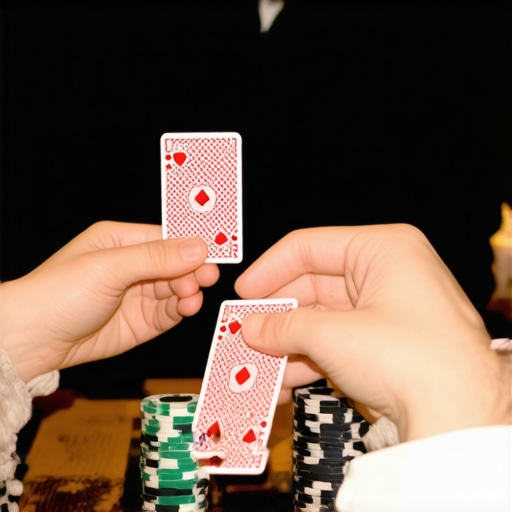
I stood in my own backyard, nursing a lukewarm drink and watching my closest friends lean in so far they were practically bumping heads, all just to hear a basic ‘how have you been?’ over the thumping bass of a DJ I thought would ‘make’ the party. It was a classic mistake. I’d focused so much on the canopy rentals and the high-end aesthetic that I forgot the most important part of an intimate gathering: the ability to actually talk. I spent half the night signaling the guy to turn it down, only for him to nudge the volume slider back up ten minutes later. By 10 PM, half the room had ‘early mornings’ and vanished. That was the moment I realized that for small groups, a loud DJ isn’t an asset; it’s a wall. Today, I’m going to show you why switching to close-up magic isn’t just a different choice, it’s the only way to keep your guests from checking their watches every five minutes while building a real connection.
The Night I Chased My Guests Away with a Subwoofer
Early in my hosting journey, I fell for the trap that bigger is always better. I hired a pro-level DJ for a thirty-person mixer, thinking it would feel like an exclusive club. Instead, it felt like a shouting match. I even botched the layout, putting the dance floor rental right in the middle of the only walkway to the bar. It was a mess. This is the real reason your experiential networking ideas arent working—you’re prioritizing the spectacle over the humans in the room. When you force people to compete with 100 decibels of sound, they don’t dance; they leave. In contrast, close-up magic works because it scales to the size of the conversation. It thrives in the gaps. According to a study published in Psychological Science, shared moments of awe—like witnessing something seemingly impossible together—actually lower our personal anxieties and make us feel more connected to the people standing next to us. Have you ever felt like a host who’s lost control of the ‘vibe’ because the entertainment was just too much?
Is magic actually sophisticated enough for your guest list?
I used to think magicians were strictly for birthday parties with sticky-handed five-year-olds. That was my second big mistake. Real close-up magic is about interactive corporate event entertainment that respects the intelligence of your guests. It doesn’t interrupt the flow; it enhances it. Think about how many times you’ve seen the cocktail table bottleneck at corporate galas, where everyone just stands in a circle and stares at their phones because they don’t know who to talk to. A great performer breaks that ice without needing a microphone or a smoke machine. They use professional ice breaking techniques to weave through the crowd, leaving a trail of genuine laughter instead of a ringing in everyone’s ears. We’re going to look at how to pick the right performer to ensure your next event feels exclusive and truly personal.
Stop Building Stages and Start Building Connections
The biggest mistake hosts make is thinking they need a literal platform to provide quality entertainment. In small spaces, a stage acts as a barrier, not a spotlight. I remember a high-stakes product launch event where I insisted on a full stage setup services package, only to find the magician separated from the guests by a six-foot ‘no-man’s-land.’ It felt cold. The magic didn’t breathe because the performer couldn’t read the room’s pulse. Now, I advocate for the ‘roaming radius.’ This involves positioning your performer in the natural flow of the room—near the bar or the lounge area—where they can catch people in transition. If you’ve ever wondered how to use sleight of hand techniques to fix stale networking events, it starts with getting the performer out of the corner and into the conversation.
The Secret to Managing Guest Flow Near the Snacks
Believe it or not, your catering layout dictates the success of your entertainment. I once set up a hot dog steamer rental right next to where I wanted the magician to perform. The resulting steam fogged the performer’s glasses and the mustard-heavy line of hungry guests made it impossible for them to focus on a card trick. It was a logistical nightmare. I learned then that why your snow cone machine rental needs this specific interaction plan is about more than just food; it’s about rhythm. You want the magic to happen in the ‘low-pressure’ zones. Avoid placing your chiavari chair rental clusters so tightly that a performer can’t weave between them. You need about three feet of ‘swing space’ around a group for a magician to work effectively without bumping into someone’s drink. 
How to Avoid the Messiest Mistakes in Event Rentals
When you’re planning the physical environment, you have to think about the ‘sight lines’ of the trick. For example, the outdoor party tent mistake that makes close-up magic impossible is often related to lighting. If the sun is setting directly behind the performer, your guests are squinting at a silhouette instead of the deck of cards. I’ve seen beautiful setups ruined because the dance floor rental was placed in a spot that created a bottleneck, forcing the performer to constantly dodge people. Learning how to avoid the messiest mistakes in event rentals for magic shows means walking the floor before anyone arrives to ensure there are no dead zones.
Give Your Guests Something Real to Talk About
The transition from ‘small talk’ to ‘real talk’ is where the ROI of your event lives. This is the move to fix low engagement in corporate team building activities: use the performer to bridge gaps between different departments. At a recent trade show, we didn’t just have the magician do tricks; we had him integrate specific company data into the illusions. This is the interactive magic shows move that keeps trade show traffic moving while educating them at the same time. When a performer uses the move that makes hyper-personalization services feel like real magic, such as mentioning a guest’s specific professional milestone during a routine, the ‘wow’ factor triples. It shows you’re not just providing a distraction, but an immersive guest experience tailored specifically to them. This is how how hyper-personalization services can double your trade show leads—by making every interaction feel like it was designed for a single person.In my decade of planning, I’ve seen countless hosts blow their budget on elaborate stage setup services, thinking the height would command respect. It’s the opposite. At a product launch event, a stage creates a psychological ‘Power Distance’—a concept explored in the Journal of Applied Psychology regarding how physical barriers inhibit social interaction. When you elevate the entertainer or speaker, you tell the guest they are a passive observer, not a participant. This is why many attempts at immersive guest experiences fail; they aren’t actually immersive, they are just expensive shows viewed from a distance. Let’s dig deeper into why the ‘bigger is better’ mentality is the fastest way to drain the energy from a room.
The Big Stage Fallacy That Kills Intimacy
Everyone says you need a platform for visibility, but in my experience, a stage acts as a literal wall between your message and your audience. When I’m performing close-up magic, I want to be at eye level. This proximity is the simple fix for dead air during corporate gala dinners because it forces engagement. If you are planning a high-end mixer, consider skipping the platform and investing instead in the ‘roaming’ experience. Even your seating choices, like a standard chiavari chair rental, should be arranged in clusters rather than rigid rows. Rows are for lectures; clusters are for connections. This subtle shift fixes the error in most team building activities that drives away top talent—treating your guests like students rather than peers.
Can You Actually Automate Intimacy Without It Feeling Fake?
This is the advanced question every modern host faces. We are currently seeing a rush toward AI corporate integration, with chatbots and digital kiosks at every trade show booth. But here is the nuance: AI should be the engine, not the exterior. The ‘Oops’ factor happens when you use technology to replace human touch instead of enhancing it. Real hyper-personalization services aren’t about a screen that says ‘Hello [Name]’; they are about using data to inform the specific tactics that make hyper-personalization services actually convert. For example, knowing a VIP guest’s specific industry challenges allows a performer to tailor an illusion that solves that ‘problem’ metaphorically. That is how you use tech to build trust, not walls. 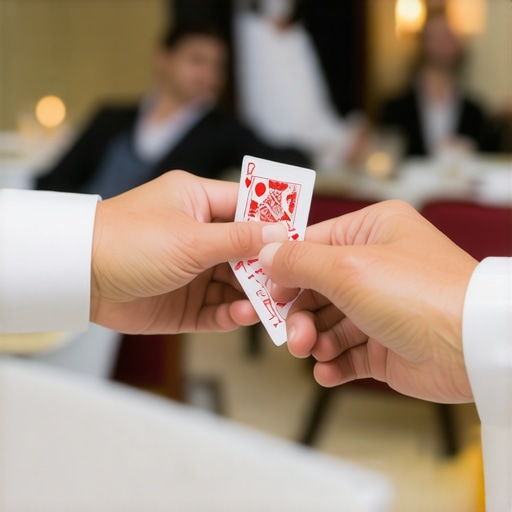
Why Your Timeline is Secretly Killing the Vibe
The most common trap in timeline management for events is the ‘over-scheduling’ nightmare. We try to pack every second with ‘value,’ but value isn’t a checklist. If you schedule a hot dog steamer rental break at 7:00 PM, a dance floor rental set at 7:15 PM, and a magic set at 7:30 PM, you haven’t created a flow; you’ve created a conveyor belt. This rigidity is why most team building activities are a massive waste of company resources. Guests need ‘liminal space’—those unstructured gaps where the best conversations happen. A great performer knows how to fill those gaps without disrupting them. Have you ever fallen into this trap of over-planning? Let me know in the comments.To keep these high-pressure environments running without a hitch, I’ve moved away from manual checklists and toward what I call the ‘Event Stack.’ This isn’t just a pile of gear; it’s a synchronized system of software and physical maintenance protocols. For every product launch event, I now rely on real-time spatial analytics tools like CrowdConnected. This allows me to see exactly where guests are congregating. If the dance floor rental is a ghost town while the hot dog steamer rental has a line out the door, I can pivot my entertainment in seconds rather than realizing the mistake the next morning. This is the secret to making event rentals feel like a custom experience—having the data to move the experience to where the people actually are. I also use Zapier to bridge my AI corporate integration tools with my timeline management for events. When a speaker runs five minutes over, my system automatically pings the catering and magic team to delay the next transition, keeping the energy fluid rather than forced.
How do I keep my event systems running smoothly year-over-year?
Maintenance is the unglamorous backbone of authority. For immersive guest experiences, you can’t just set it and forget it. I personally inspect every chiavari chair rental for loose joints and every piece of stage setup services hardware for fatigue once a month. As noted in the Events Industry Council’s (EIC) Sustainable Event Standards, maintenance isn’t just about functionality; it’s about the lifecycle and safety of the assets we use to create these social spaces. This level of detail is why your event rentals strategy needs a human element to succeed. A human eye catches the scuff on the stage that a booking software never will. 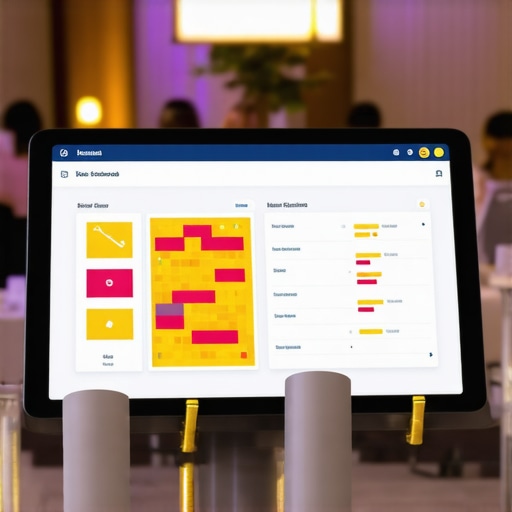
The Shift Toward Proactive Spatial Intelligence
Looking ahead, the ‘standard’ trade show booth is dying. I predict that within the next three years, AI corporate integration will move into ‘Spatial Intelligence.’ We will see sensors that adjust the ‘vibe’—lighting, temperature, and even background music—based on the real-time heart rate or movement speed of the crowd. We are already seeing the specific tactics that make hyper-personalization services actually convert moving in this direction, where the environment itself reacts to the guest. To stay ahead, you need to start thinking about your physical layout as a living organism. If you want to how to secure better event rentals deals without sacrificing entertainment quality, focus on modularity. I now only work with vendors who provide ‘smart’ rentals that can be reconfigured on the fly. Try this: For your next mixer, add a 20-minute ‘Ghost Block’ into your schedule where nothing is planned. Use that time to walk the floor and adjust your lighting or performer placement based on where the ‘cold zones’ are. You’ll be amazed at how much control you regain over the room’s pulse.
The Brutal Reality of Product Launch Events I Learned the Hard Way
I used to think that the success of product launch events was measured by the height of the platform and the wattage of the speakers. I was wrong. I once spent a massive portion of a budget on stage setup services that effectively walled off the CEO from the very investors we were trying to impress. The lesson was painful but clear: physical distance creates emotional distance. Now, I prioritize the ‘proximity effect.’ When you bring in a performer who can execute immersive guest experiences right at the table, you aren’t just entertaining them; you’re validating their presence. Another lightbulb moment came when I realized that a dance floor rental sitting empty is a symptom of a ‘cold’ room. To fix this, I stopped trying to force the party and started using hyper-personalization services to warm it up. This means the entertainer knows who the key players are and tailors the magic to their specific interests, which is the move to fix low engagement in corporate team building activities before it even starts.
Tools That Saved My Sanity During High-Stakes Timeline Management
Mastering timeline management for events requires more than just a spreadsheet; it requires a stack of tools that allow for real-time pivots. I personally swear by CrowdConnected for spatial analytics to see where people are bunching up. If everyone is huddled around the hot dog steamer rental, I don’t try to move them; I send the magician there. For the technical side, I use AI corporate integration to automate my follow-ups and guest check-ins, but I never let it touch the actual performance. I also highly recommend reading The Art of Gathering by Priya Parker. It completely reshaped how I choose every chiavari chair rental and layout. I’ve learned that the secret to making event rentals feel like a custom experience is actually about the intentional gaps you leave in the schedule.
Stop Chasing Spectacle and Start Creating Memories
It is easy to get caught up in the logistics of a trade show or a gala, but at the end of the night, your guests won’t remember the brand of the speakers. They will remember how it felt when the impossible happened three inches from their eyes. We have to learn how to secure better event rentals deals without sacrificing entertainment quality by investing in people, not just props. My final advice is to trust the human element. Whether you are managing a hot dog steamer rental line or a high-end mixer, remember that why your event rentals strategy needs a human element to succeed is because people crave connection more than they crave a show. Have you ever had a guest experience that felt truly personal because of a performer? Let me know in the comments below.